
- Samsung’s smart glasses and their challenge to Meta
- Battery life and charging case advantages
- Shared hardware and possible software optimization
- Design options from Gentle Monster and Warby Parker
- Camera privacy safeguards and recording light behavior
- Google-powered features and app integrations
Samsung is stepping into smart glasses with a clear message: it wants to outlast Meta where it matters most. The company’s new glasses, built with Google, are already making noise because of one simple number, and that number points straight at battery life. In a category where users hate charging just about as much as they hate awkward tech on their face, an extra hour can feel like a real win.
Meta’s Ray-Ban Gen 2 glasses are rated for up to eight hours of typical use, which has made them the yardstick for the whole space. Samsung says its upcoming pair can go nine hours on a charge, and that claim is supposed to hold up even with active use that includes Gemini Live, music, notifications, and video recording. That gives Samsung a sharp edge on paper, and it is not stopping there.
The charging case is also part of the pitch. Samsung says the case provides seven additional full charges, while Meta’s Gen 2 case is rated for 48 hours, or roughly six full charges. In a product category built around convenience, that kind of difference matters because the case is what keeps the whole setup viable across a packed day or weekend away from the wall.
There is still a big question hanging over the battery story. Neither company has shared battery capacity in mAh, so it is impossible to know whether Samsung simply packed in a larger battery or squeezed more life out of similar hardware. That uncertainty is important, because smart glasses have very limited room to work with, and every gain has to be balanced against comfort, weight, and wearability.
What makes the comparison even more interesting is that both products rely on the same Qualcomm Snapdragon AR1 Gen 1 chip. That means the difference likely comes down to software tuning, power management, or some blend of the two. When the hardware backbone is this close, the real competition shifts to who can make the most efficient use of the same parts.
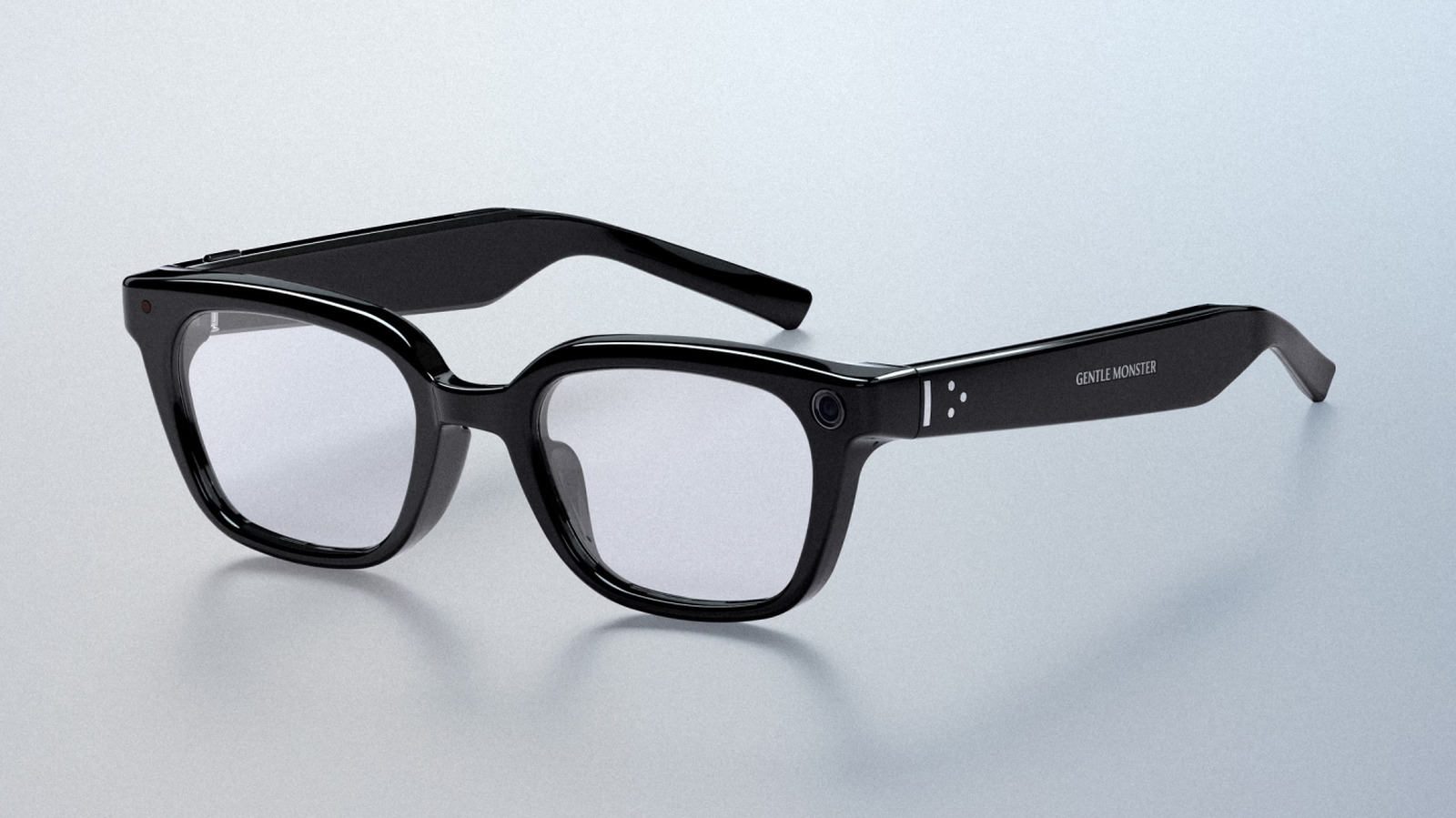
Samsung is also treating style as a serious part of the product, not just an afterthought. The glasses will come in two versions, one from Gentle Monster and another from Warby Parker, giving buyers a choice between a more fashion-forward black frame and a softer, everyday brown look. That kind of approach makes sense for smart glasses, since nobody wants a device that feels like a gadget first and eyewear second.
The camera side is where privacy concerns always jump into the conversation. Like Meta’s glasses, Samsung’s version includes an LED that lights up while recording, which is meant to make the camera use obvious to people nearby. That detail also lines up with a proposed Pennsylvania law that would require a recording light on smart glasses sold in the state, and neither system allows recording if the LED is blocked or tampered with.
Samsung is also leaning hard into usefulness instead of novelty. The glasses can pull information from a whiteboard and send it into Samsung Notes, which gives them a practical edge for school, work, and quick capture moments. Gmail, Calendar, and Maps are supported from the start too, so the glasses are not just a flashy accessory, they are meant to fit into daily routines.
Meta already has its own app connections, including Google Calendar, messaging, and music features, so Samsung is not entering a vacuum. The gap shows up most clearly with mapping, since Meta still uses its own navigation system rather than Google Maps, even on the Display model. Samsung’s glasses are set to arrive this fall, and the price is still under wraps, which keeps plenty of the final competition waiting just below the surface.
