
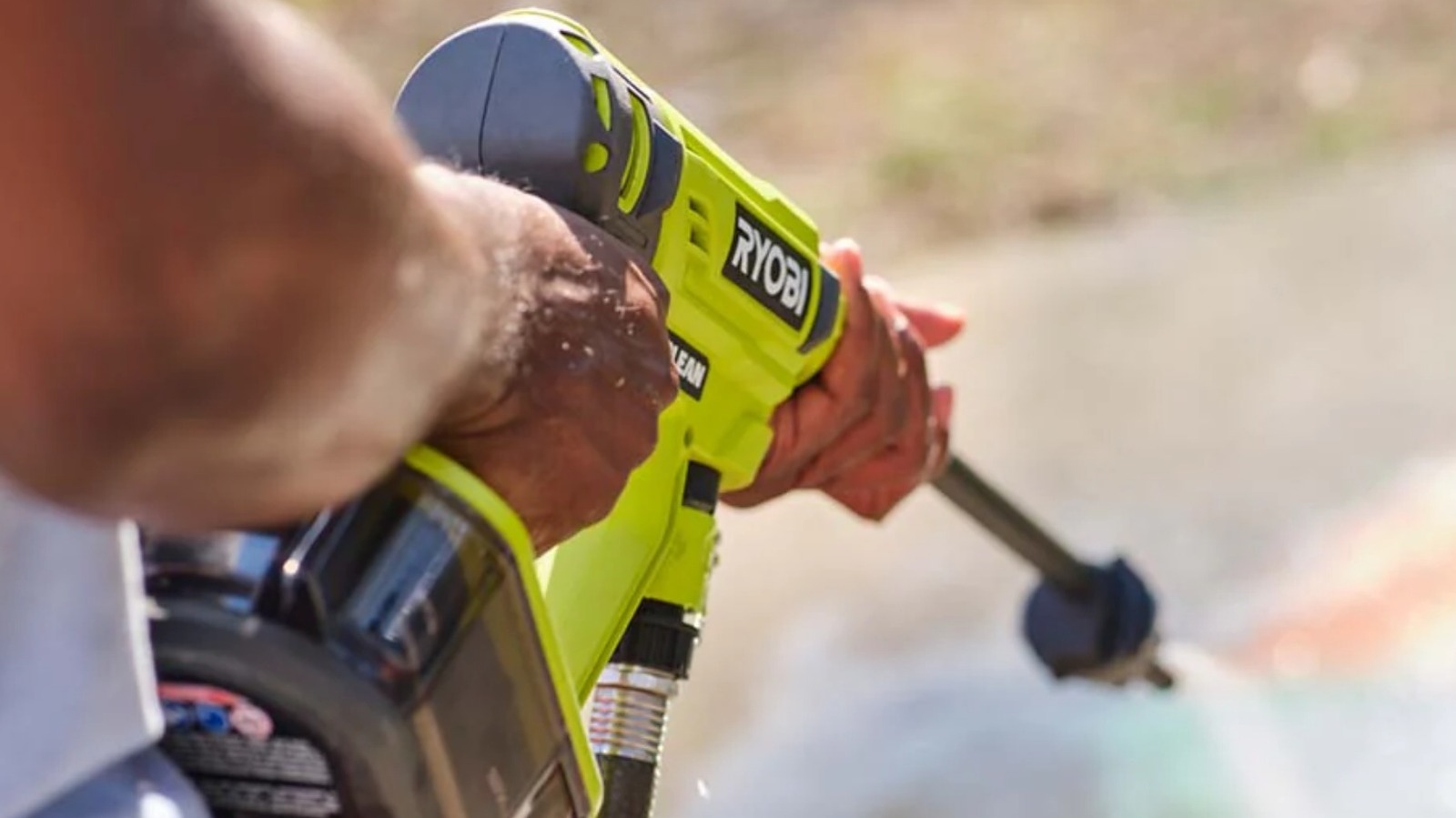
Ryobi earns praise for bringing affordable, easy-to-use tools to the average homeowner, but not every product in their lineup is a great buy. This piece walks through where Ryobi shines, where it falls short, and what types of users should be cautious before choosing certain models. Read on for practical, no-nonsense guidance on getting the most from the brand without wasting money.
Ryobi’s biggest strength is its One+ battery ecosystem that powers a wide range of tools, which makes swapping batteries simple and cost-effective. For casual users and weekend warriors, that convenience translates to fewer chargers and lower overall expense. The brand’s focus on accessibility and price keeps DIY projects moving without breaking the bank.
That said, Ryobi is best viewed through the lens of expectations: it’s designed for homeowners, not heavy commercial use. When you need the absolute best in durability, precision, and long-term reliability, stepping up to pro-grade lines is worth the extra cost. Expect Ryobi to handle occasional heavy jobs, but not the constant grind of daily professional work.
Certain Ryobi power tools have earned a reputation for being underpowered in demanding scenarios, especially some of their compact brush motor tools. If you routinely cut dense hardwood, haul thick timbers, or run long stretches of heavy-duty work, those smaller motors can struggle. For light to moderate tasks they’re fine, but push them hard and you’ll notice performance gaps quickly.
Your yard tools are another area to scrutinize: battery-powered mowers and blowers offer convenience, but larger yards expose their limits. Ryobi lawn equipment is excellent for small to medium lawns thanks to low vibration and ease of use. On sprawling properties or commercial landscaping routes you’ll want batteries with more runtime and machines built for continuous operation.
Some Ryobi outdoor chain saws and string trimmers trade longevity for affordability, meaning frequent users may see wear sooner than with pro models. Replacement parts are available and affordable, but downtime for repairs adds up if you’re using tools daily. For occasional yard work they make sense, but landscapers should look at more robust alternatives.
Ryobi’s entry-level table saws and jobsite saws are tempting because of price, but they can fall short on fence stability and repeatable accuracy. Woodworkers who rely on precise cuts or who make their living from carpentry will likely need something sturdier. For DIYers building furniture now and then, though, they offer a workable and wallet-friendly option.
Battery capacity and charge cycles are important considerations with any cordless system, and Ryobi batteries perform well for general use. Still, if you need all-day runtime with minimal swapping, high-capacity packs from professional lines outperform them. Smart buying means matching battery investment to how intensively you plan to use the tools.
Value is the brand’s core promise: you get a broad tool catalog, easy compatibility between products, and a user-friendly interface for most homeowners. Where Ryobi stumbles is when products are pushed outside the light-to-moderate use case they were built for. Know your workload, and you can leverage Ryobi’s strengths without getting burned by its limits.
When choosing Ryobi, prioritize the One+ ecosystem, avoid relying on entry-level models for pro-level tasks, and be realistic about battery runtime for big jobs. For the average homeowner tackling renovations, yard care, and odd jobs around the house, Ryobi is a practical, cost-effective choice. If your work demands relentless durability and precision, consider investing in tools aimed at professionals instead.
