
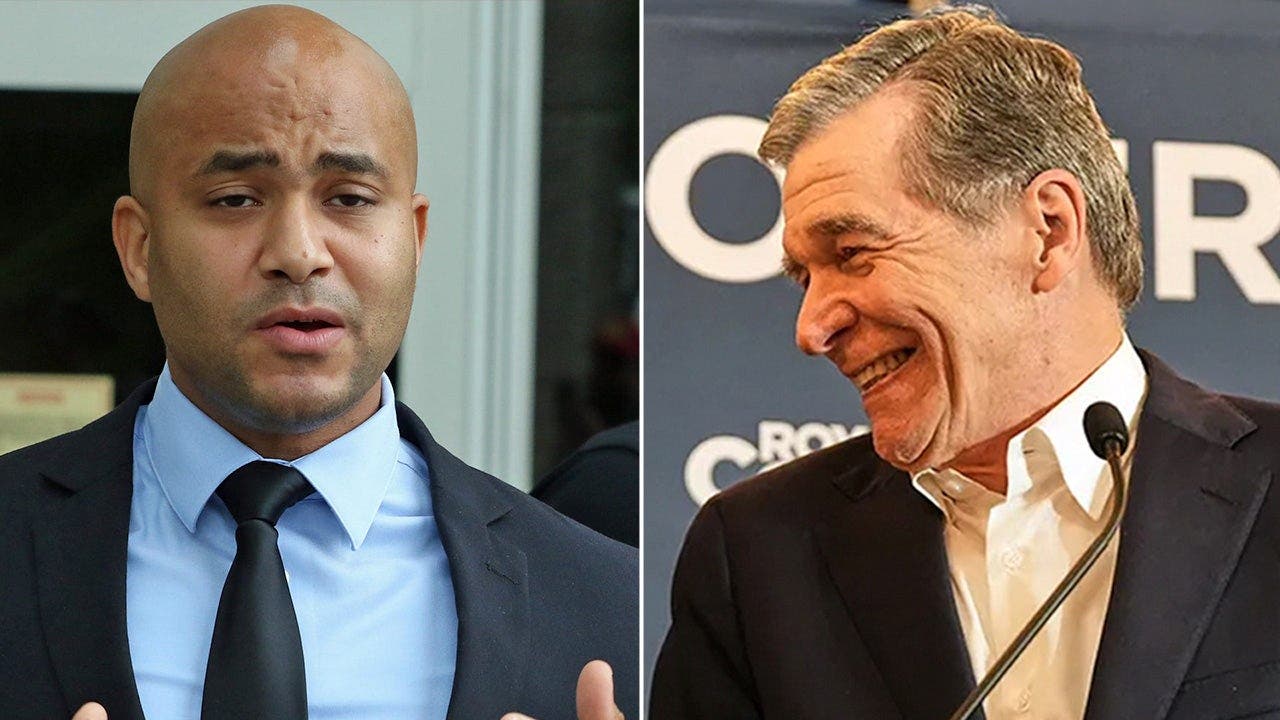
North Carolina Senate race turns toward Roy Cooper’s criminal justice task force pick
North Carolina politics just got another jolt as Roy Cooper, now running for Senate, faces questions over a 2020 criminal justice task force appointment that is raising eyebrows. The controversy centers on Kerwin Pittman, a man with a serious criminal record who was brought into the panel as Cooper pushed a racial equity agenda after the George Floyd unrest.
Cooper created the Racial Equity in Criminal Justice task force by executive order and filled it with state figures and activists. The move was meant to signal change and bring fresh voices into the debate, but the selection of Pittman has quickly become the part that sticks.
According to the report, Pittman had been convicted in 2007 of conspiracy to commit murder and served 14 years in prison. Prosecutors had also identified him as a ranking member of the Bloods during a separate murder trial, which makes his role on a criminal justice panel especially hard to ignore.
The background matters because this was not some low-profile advisory seat. It was part of a high-stakes push to reshape the conversation around policing, punishment, and race at a time when the country was already on edge.
Pittman’s record also includes a 2006 drive-by shooting conviction involving the death of 19-year-old Jamel Amiens Jeffreys. That kind of history gives the appointment a far sharper edge than the usual political staffing drama, especially when voters are already skeptical of how leaders talk about public safety.
Pittman did not run from his past, saying he was brought in because of his experience and his work in the community. He described the decisions behind his criminal history as something made when he was a teenager and a young adult, not the person he says he is now.
“I was asked to contribute to conversations about criminal justice reform because of both my lived experience and the work I was doing in communities,” Pittman told the Free Beacon. “I have never hidden my past. The gang involvement and criminal conduct you reference occurred when I was a teenager and young man at or before the age of 19. I am now 39 years old.
“I made decisions as a young person that had serious consequences, including spending more than a decade incarcerated.”
That defense may resonate with people who believe rehabilitation should matter, but it is still a rough sell for anyone looking at the issue through the lens of public trust. When a political figure builds a task force around criminal justice reform, every appointment becomes a message, and this one sent a loud one.
The deeper wrinkle is where Pittman worked at the time. He was with Emancipate NC, an activist group that has openly pushed hard anti-police messaging, including language arguing that policing has long served white supremacy.
That detail feeds the larger tension around Cooper’s record and his Senate bid. On one side is the image of a former governor who signed tough-on-crime laws and presented himself as pragmatic on law and order, while on the other is a task force appointment that critics say undercuts that image in a big way.
Cooper is now running against Republican Michael Whatley, and the race is already loaded with arguments about safety, competence, and who can be trusted to handle the hard stuff. The task force story gives Republicans a clean line of attack because it fits neatly into a broader concern many voters have about Democratic criminal justice policies.
Cooper’s campaign pushed back by turning the focus onto Whatley, pointing to his own party’s past controversies and saying the criticism rings hollow. The exchange shows how fast a single appointment can balloon into a full-blown campaign fight, especially when the subject is crime and the stakes are a Senate seat in a closely watched state.
The bigger issue hanging over all of it is simple enough: voters tend to notice when politicians talk tough in public but surround themselves with people whose records tell a messier story. In a race where every decision gets put under a microscope, this one is likely to keep drawing attention, and it leaves Cooper spending time explaining a choice that never should have looked easy to defend.
