
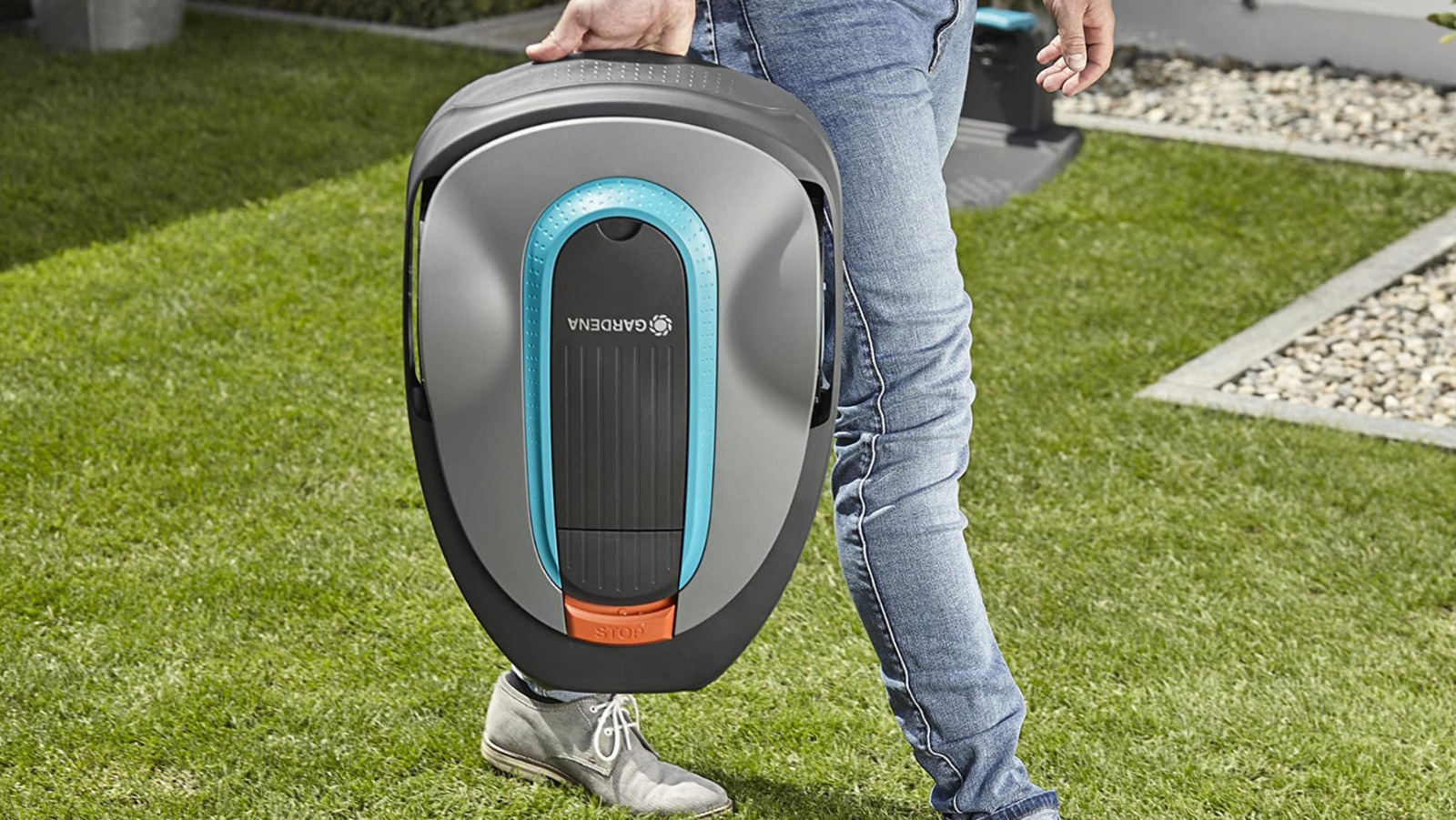
Robot lawn mowers promise a hands-off lawn and more free time, but they come with steep price tags and a dizzying number of brands and features. This article breaks down why they cost so much, what to look for in a maker, and the practical tradeoffs so you can decide if one fits your yard and budget.
These machines are not cheap because they cram a lot of tech into a small package. You are paying for autonomous routing, weatherproofing, battery systems, and safety sensors all built to survive constant outdoor use. That engineering adds up, and so does the cost of quality components and reliable support.
When you start shopping, manufacturers divide themselves into a few camps: premium specialists, midrange crowd-pleasers, and budget options that cut corners. Premium brands typically offer refined navigation, long warranties, and robust customer service, while cheaper models may rely on simpler boundaries and shorter runtimes. Think about which features matter to you before falling in love with specs you won’t use.
Battery life and cutting system design are two of the biggest real-world differences between models. A mower with a generous battery and efficient motor will cover more ground and return less frequently to recharge, saving time and frustration. Cutting height adjustment, blade design, and the mower’s ability to handle slopes will also directly affect the finish of your lawn.
Installation and setup vary widely and can change the overall cost picture. Some mowers are simple drop-in installs with a boundary wire you bury, while others use GPS or professional installation for optimal performance. If you need a pro to lay out the system because of slope or complexity, add that to your upfront cost calculations.
Maintenance matters more than many buyers expect. Blades need replacement, batteries lose capacity over a few years, and software or firmware updates can improve performance but may require attention. Factor in ongoing costs and service availability in your area, since a well-supported model can feel cheaper long term compared with a bargain mower that becomes a headache.
Safety and local regulations also play a role in choosing a mower. Reliable obstacle detection, child-lock features, and secure docking prevent mishaps and give you peace of mind when the unit is running unsupervised. Check any homeowner association rules or local ordinances that might restrict usage times or noise levels before you buy.
Ultimately, the best maker for you depends on yard size, terrain, desired convenience, and how much you want to spend on long-term reliability. If you value low maintenance and top performance, it may make sense to invest in a higher-tier model with strong support. If your lawn is small and simple, an economical unit may deliver most of the value without draining your wallet.
