My family leans on modern medicine in ways that feel deeply personal and painfully impersonal at once: the drugs that stabilize moods and hold routines together also come wrapped in market choices, promotional pressure, and pricing that can make care feel like a privilege instead of a right.
My husband has bipolar disorder, and the medications he takes do more than smooth symptoms — they make daily life possible for all of us. I am grateful for the science and the clinicians who prescribe what he needs, because without those treatments our household would look very different.
I am thankful for the drug companies whose products and innovations help keep my family together. But that does not mean I trust Big Pharma. The pharmaceutical industry’s incentives are often at odds with the people it treats.
Prescription use in this country has ballooned, and that shift shows up across kitchen tables and pay stubs. More people than ever fill daily prescriptions, and a growing share juggle multiple medications at once, which pushes household bills and insurance costs higher than many expected just a few years ago.
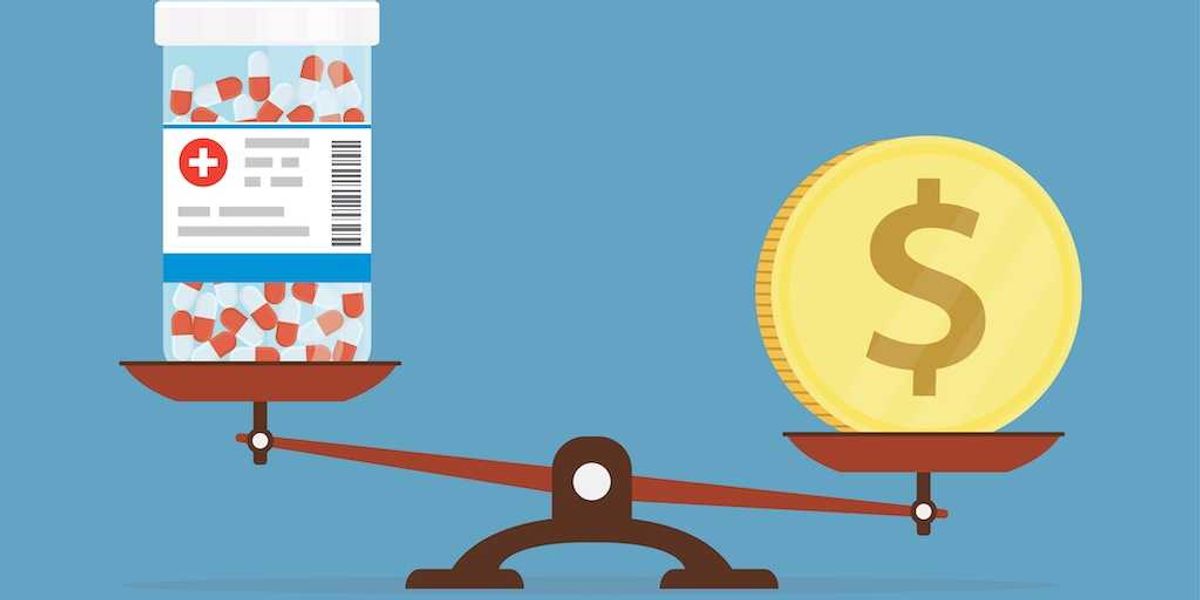
Those higher bills are not abstract figures. Families report skipping or rationing doses because they cannot afford refills, and medical costs continue to be a major driver of financial distress. Meanwhile, drug prices in the United States regularly sit far above those charged in other wealthy nations, putting everyday treatments out of reach for many.
I get why new drugs are expensive: trials and development are costly, and breakthroughs should pay off. Still, patterns are disturbing when companies buy rights to older medicines, change the packaging or name, and hike prices overnight, or when long-established essentials like insulin climb in cost despite steady manufacturing expenses.
Marketing and political spending play a role. Big bets on direct-to-consumer advertising and heavy investment in lobbying shape public demand and the policymaking landscape, and those choices matter when they influence which drugs reach front-line care and how prices are defended.
We are also seeing new classes of treatments reshape budgets, such as the weight-loss medications that have become more common prescriptions in recent years. Many people benefit, but the rapid uptake of those drugs has added another expensive line to many health spending reports and shifted conversations about when medication is the first option versus one tool among many.
My concerns are not theoretical. I lived through addiction, so I know how substances can take over a life and how communities can be hollowed out when harms outpace accountability. I watched the opioid crisis decimate towns after aggressive promotion and downplaying of risks by certain manufacturers, and that legacy makes me wary of unchecked corporate incentives.
As a parent I teach my children that medicine has power and limits, and that every pill should be taken with intention and care. Innovation deserves reward. Exploitation does not. Accountability and access need to travel with every new prescription, so families can rely on treatments without fearing they will be priced out when they need help most.