
I’ll argue that Democratic strategy since 2016 has been dominated by fear, show how that shrinks political imagination, use a psychotherapist’s lens to explain the psychology, contrast short-term mobilization with long-term identity, and underline why a positive, aspirational message matters more than constant alarm.
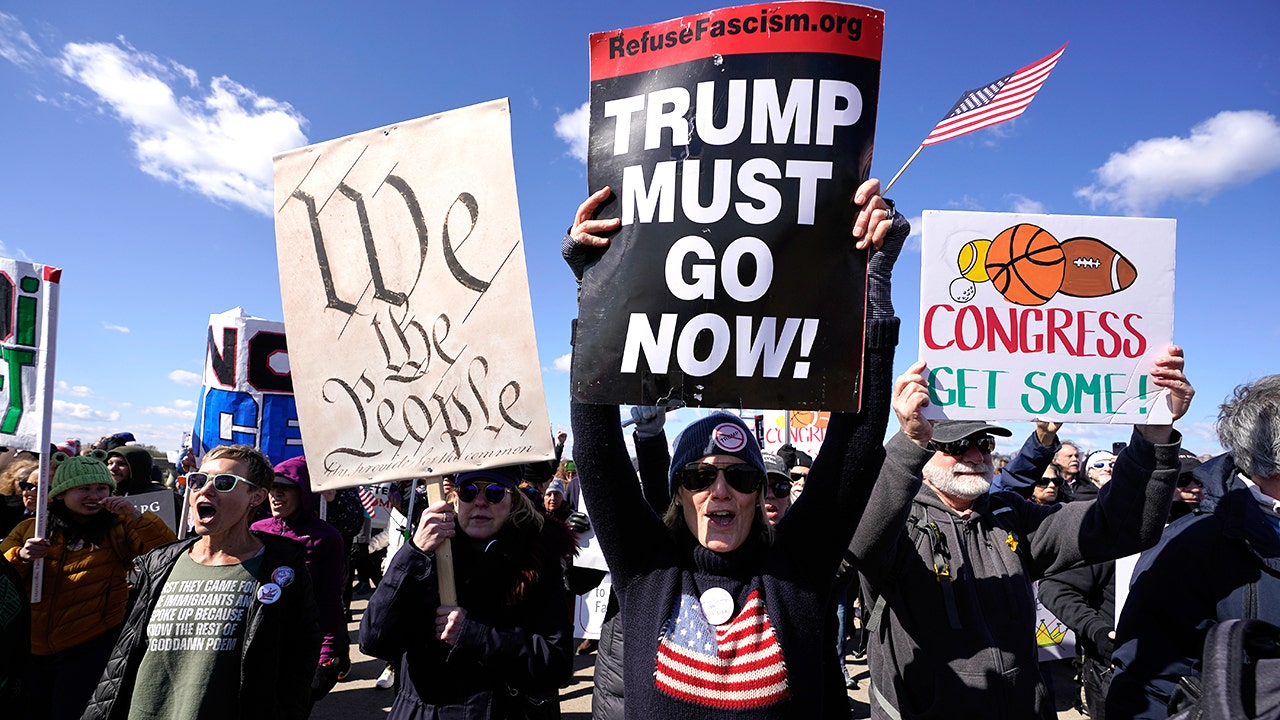
Since 2016 Democrats have leaned heavily on invoking disaster if their opponent returns, and that strategy has become their defining rhythm. Democracy is on the ballot. Institutions are under siege. The country cannot survive another Trump term. Those lines mobilize people, but they also train voters to expect perpetual crisis instead of a coherent plan for the future.
In my work as a psychotherapist I see what happens when a life is built around avoiding pain: vigilance overtakes curiosity and threat management becomes the daily habit. That pattern is exactly what you get when politics is organized chiefly around blocking someone rather than building something. I explore this dynamic further in my forthcoming book, Therapy Nation, because the psychological parallels are hard to ignore.
WHEN WE CALL EVERYTHING AN ‘ISM,’ WE STOP HEARING WHAT VOTERS ACTUALLY CARE ABOUT is a blunt observation that fits here: constant labeling and alarm drowns out real priorities people live with day to day. When every setback becomes existential, voters stop sorting issues by tradeoffs and start living in constant outrage. That’s useful for turnout spikes, but it’s lousy for governing and poor for persuading the wavering center.
For many Democrats 2016 was more than a loss; it punctured a sense of political inevitability that had grown comfortable. The result was understandable: the party pivoted toward defending institutions and preventing a repeat of what they feared most. Turning opposition into the movement’s spine bought unity across factions that otherwise disagree on policy fundamentals.
That short-term unity came with costs. Framing every election as an emergency sharpens focus but dulls imagination; people learn to vote against rather than for. The gym example is helpful: a patient pumps himself up to avoid a heart attack and sticks with it only while fear burns bright. Once the panic fades, so does the discipline.
Compare that to someone training for a marathon: the motivation is identity and aspiration, not merely avoiding catastrophe. That kind of aim sustains habits, builds community, and creates narratives people want to join. Political movements that promise a better self or a clearer future form deeper, more durable ties than those held together by fear.
Democrats now appear stuck because their best unifying line is still largely defensive: stop Trump, protect institutions, prevent chaos. Those are headline-ready calls, and they work in crisis windows, but they do not answer the voter’s basic question about what kind of country will exist when the alarms finally quiet. The political imagination narrows when defense becomes the default posture.
DEMOCRATS ARE MAKING A CRITICAL MISTAKE — AND VOTERS ARE LETTING THEM KNOW captures a real political risk: emotional unity against a threat postpones the harder discussions on class, immigration, public safety, and economic mobility. Suppressing debate under a broad umbrella of alarm delays choices rather than resolving them. Over time, those unresolved conflicts reemerge more bitterly and harder to settle.
The long-term cost of reactive politics is fatigue and cynicism. When voters are fed a steady diet of existential warnings they eventually stop believing progress is possible and begin to treat every election as triage. Trust frays, engagement becomes transactional, and governing projects lose the moral energy needed to sustain them.
Voters will respond to danger for a while, but durable political identity needs a forward-looking story people can picture for themselves. Fear can win short campaigns; a clear, aspirational vision builds a governing coalition and a sense of purpose that lasts beyond the next alarm. That’s the real lesson for anyone serious about building lasting national support.
