
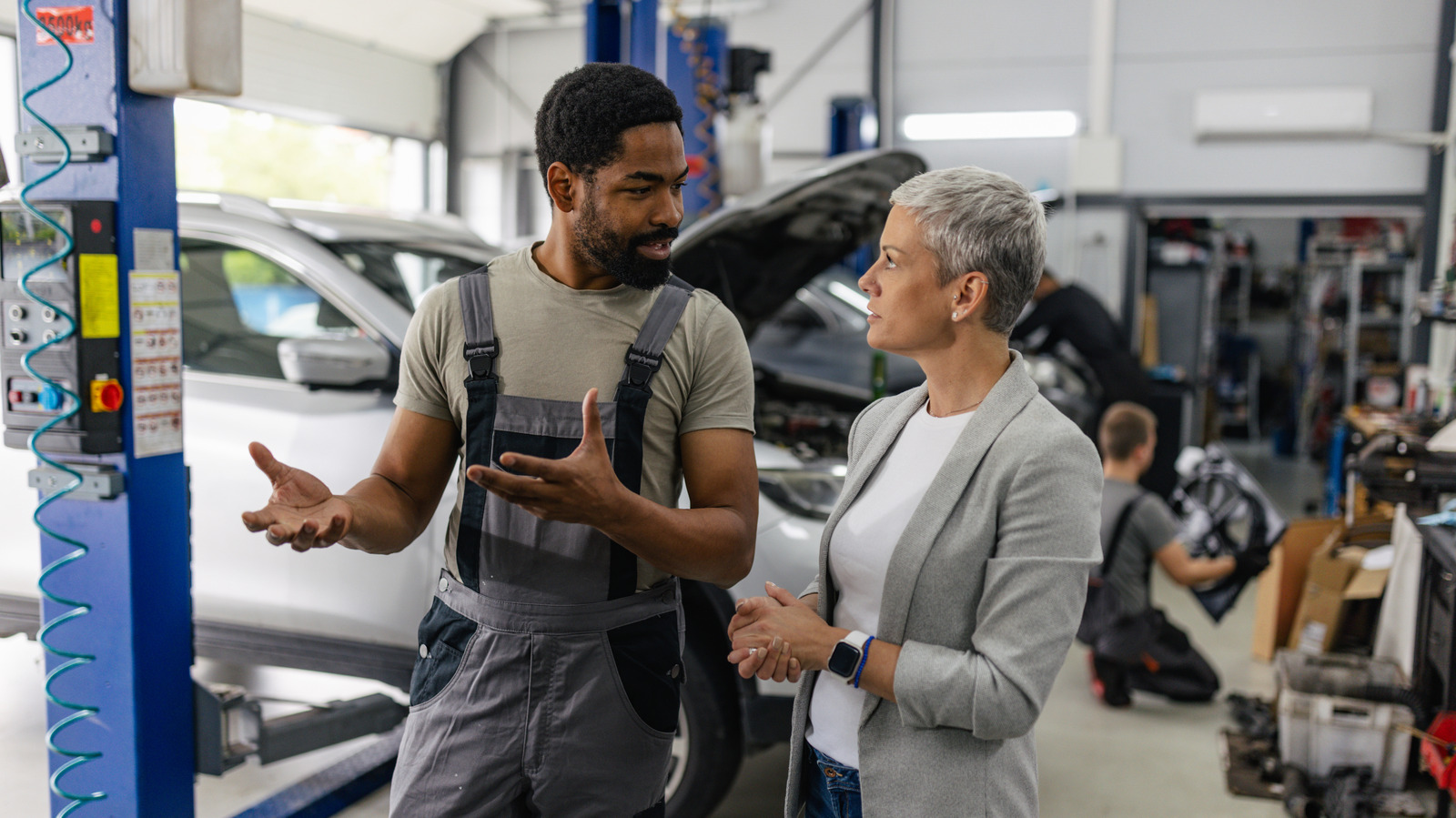
This article breaks down which car parts make sense to replace in pairs so your vehicle stays safe, balanced, and predictable on the road. It explains the reasoning behind pairing, lists common components that should be changed together, and gives practical tips to avoid extra wear or uneven handling after a repair.
When one side of a system wears more than the other, matching the replacement on the opposite side keeps the car stable and predictable. Components that control grip, braking, or suspension geometry rely on symmetry to work properly. Replacing just one part can introduce uneven response under load, creating pull, vibration, or premature wear for the remaining original part.
Tires are the most visible example. For most vehicles you should replace tires in pairs at minimum, and on all-wheel-drive cars replacing all four is often recommended. Differences in tread depth or tire diameter change how the drivetrain and stability systems behave, so matching tires on an axle preserves traction and reduces strain on differentials.
Brake pads and rotors also fall into the pair category because braking force should be even side to side. Mechanics typically replace pads in pairs on the same axle and often recommend resurfacing or replacing both rotors together. Uneven braking introduces noise, vibration, and a steering pull under hard stops, and it can reduce the effectiveness of anti-lock braking systems.
Shock absorbers and struts influence ride height, damping, and wheel control, so changing them one at a time is usually a bad idea. Worn shocks on one side make the car lean or feel unstable when cornering, and the new component will be doing all the work opposite an older, weaker unit. Replacing them in axle-matched pairs restores balance and provides consistent handling.
CV axles and drive-shaft components normally fail on one side first, but replacing both sides can be wise when the vehicle has high mileage. A single new axle will handle differently than a worn partner and could reveal other issues like joint wear or torn boots you missed. If labor to access the drivetrain is significant, doing both sides at once can save time and expense later.
Wheel bearings and hub assemblies are typically replaced per side, yet there are cases where pairing makes sense. If one bearing has failed due to age or contamination, the opposite one could be close behind, especially with high-mileage cars or those exposed to rough conditions. Swapping both hubs during a major service reduces the chance of a repeat job soon after.
Alignment-related parts such as control arms, tie rods, and bushings do not always need paired replacement, but any axle-level set should be inspected together. Worn bushings on one side will change camber and toe under load, so replacing only one control arm can leave the car out of spec. Where cost allows, refreshing both sides helps ensure the alignment stays within spec and tires wear evenly.
Practical rules to follow: when a part affects left-right balance, treat the axle as the unit; match tires by size, age, and wear pattern; and when labor is the costly part of the repair, consider doing both sides to save on repeated shop trips. Keep service records and check torque and alignment after paired replacements to avoid surprises.
Finally, trust the symptoms and the technician’s assessment. If a shop recommends pairing parts on the same axle to keep handling predictable and to prevent rapid wear on the new component, that advice usually has a mechanical reason behind it. Pairing isn’t always mandatory, but it is often the better long-term choice for safety, comfort, and value.
