
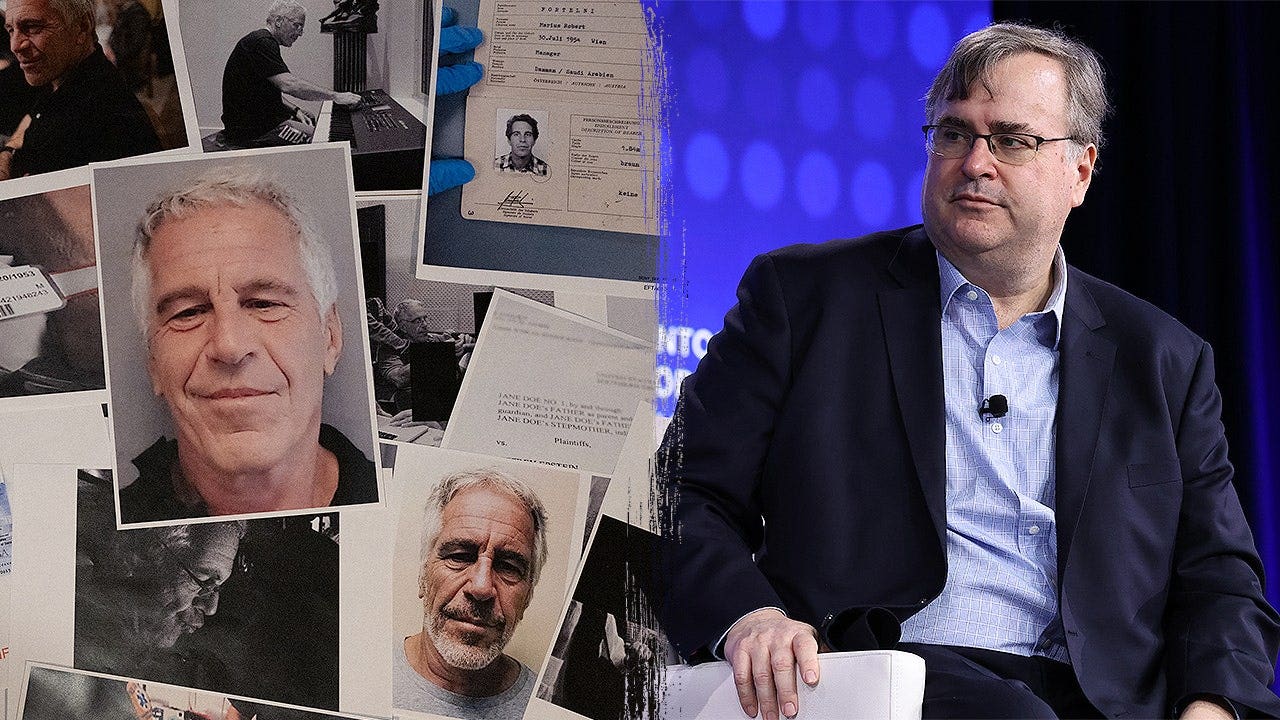
House Majority PAC is leaning hard into Epstein-related messaging as the election clock runs down, using fresh spending to hammer GOP candidates in tight races. The move has put Reid Hoffman, the LinkedIn co-founder with a long-criticized past connection to Jeffrey Epstein, back in the spotlight after filings showed him as one of the group’s biggest donors.
That combination is already drawing fire. Republicans say Democrats are happy to talk about accountability and transparency when it helps them politically, even if the money behind the attack ads comes from a billionaire whose own history with Epstein has been publicly documented and heavily debated for years.
According to Federal Election Commission records, Hoffman was one of the largest contributors to House Majority PAC, a major Democratic fundraising arm that has ramped up advertising around Epstein in the final stretch before Election Day. The filings do not spell out which donation paid for which ad, but the timing lines up with a wave of fresh spending aimed squarely at Republican candidates.
One of the clearest examples landed in Alaska, where Rep. Nick Begich was targeted over a procedural vote connected to the Epstein Files Transparency Act. Begich later backed the bill, which ultimately passed with overwhelming support, but the ad campaign still used the earlier vote to paint him as part of a broader cover-up.
The message is blunt and ugly by design. In one spot, the ad says, “How did Jeffrey Epstein hide it? He was protected by the elites — elites like Nick Begich. Begich voted against releasing the Epstein Files, trying to hide the truth. Alaskans need someone who cares more about bringing down costs than protecting a rapist,” the ad claims.
HMP has not limited the effort to one race. The group has also poured money into competitive districts in Iowa, Pennsylvania, and Arizona, with several ads launching within just the past week as the campaign season tightens and every message gets sharper.
The spending has revived old questions about Hoffman’s own relationship with Epstein. Public records and reporting have shown correspondence, meetings, and fundraising overlap between the two men, including a 2014 email in which Hoffman told Epstein he had sent gifts to New York and the island.
Hoffman has said he regretted continuing the relationship after Epstein’s 2008 conviction and has publicly expressed remorse. “My last interaction with Epstein was in 2015. Still, by agreeing to participate in any fundraising activity where Epstein was present, I helped to repair his reputation and perpetuate injustice,” Hoffman said in 2019. “For this, I am deeply regretful.”
That apology has not stopped critics from blasting the Democratic money machine. Republicans argue there is nothing principled about wrapping a campaign in moral outrage while taking support from a donor whose name still sets off alarms for many voters.
The GOP response has been especially pointed because the attacks are being built around a case that is still emotionally raw. Epstein’s crimes were horrific, his network of associations was wide, and the fight over transparency has become a political weapon as much as a public demand for answers.
The House Majority PAC effort suggests Democrats see that anger as useful terrain. Rather than staying away from the issue, the group is using it to frame Republicans as protectors of secrecy and to turn a national scandal into a local campaign cudgel.
Whether that works may depend on how voters react to the hypocrisy charge. For now, the fight has shifted from old Epstein records to a very current political collision, with billionaire cash, attack ads, and a deeply toxic name all crashing together in the closing days of the race.

1 Comment
Hoffman actually is the one closest to Epstein, they were great friends. Hoffman also went to pedo island.