
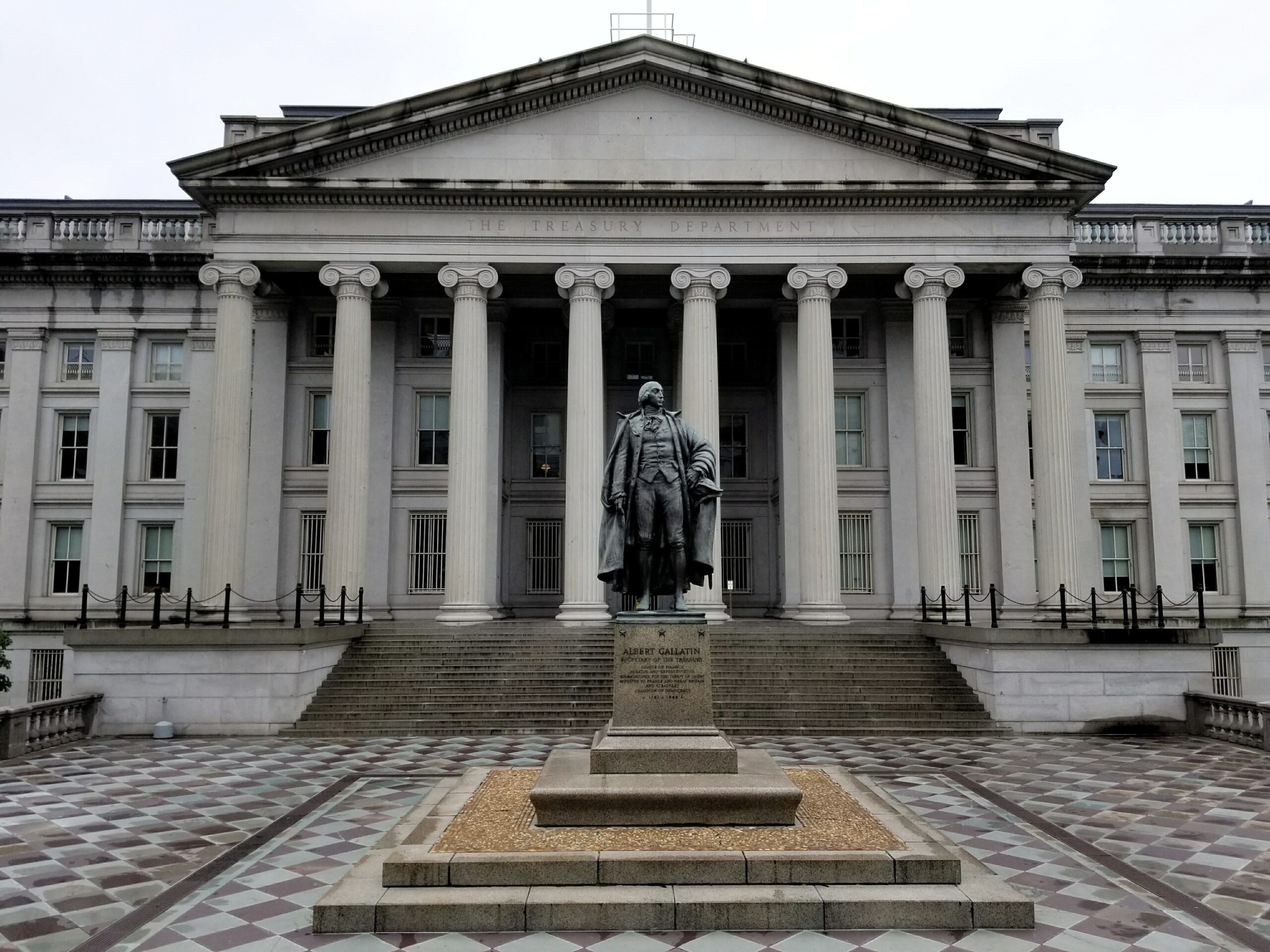
Critics have consistently targeted the president’s tariffs and economic strategies, yet global investment in the U.S. is soaring. Nations that have faced trade disputes with the U.S. and hefty tariffs are purchasing U.S. Treasury notes in significant amounts. As of June 2025, foreign entities hold a staggering $9.13 trillion in U.S. Treasury notes, marking an $80.2 billion increase from May’s figures.
Japan leads as the largest foreign holder with $1.147 trillion in June 2025, representing a $12.6 billion rise since May. The United Kingdom follows with $858.1 billion, up from $809.4 billion the previous month. China, although the third-largest holder, has seen its figures remain steady at $756.4 billion, only a slight increase from May.
China’s Treasury holdings have decreased from their peak of over $1.3 trillion between 2012 and 2016. This reduction is part of a strategy to support the yuan amidst economic slowdowns and trade challenges. As the yuan loses value, Beijing has been compelled to bolster its currency, partly by reducing its Treasury holdings.
China’s shift from Treasuries is also due to an increased interest in U.S. agency bonds. This transition has involved using offshore custodians, indicating that about half of China’s reserves are still in dollar bonds. Despite these changes, China’s financial strategy remains heavily reliant on U.S. securities.
The president’s tariff policies have introduced significant volatility in global financial transactions. Earlier in the year, there were substantial sales and liquidations as investors speculated about the longevity and economic impact of the tariffs. Nevertheless, the consistent investment in U.S. Treasuries shows a strong vote of confidence in the U.S. economy.
Higher yields on U.S. Treasuries, driven by inflation concerns and tariff impacts, have attracted more foreign investors seeking better returns. Global trade tensions and economic uncertainties have bolstered the demand for U.S. debt as a secure investment. This trend underscores the enduring perception of Treasuries as the world’s leading safe-haven asset.
Despite policy fluctuations and the dollar’s 11% decline in the first half of 2025, Treasuries retain their status as a premier asset. Historically, U.S. bonds have been deemed risk-free and serve as a global benchmark for investment options. A credit downgrade doesn’t imply U.S. bankruptcy; it merely reflects a reevaluation of risk by mathematical models.
The most recent downgrade occurred in May 2025, when Moody’s reduced the U.S. credit rating from Aaa to Aa1. This decision was attributed to increasing debt from higher federal spending and decreased revenues following tax cuts. Critics in the media used this to argue that President Trump’s policies had damaged the economy.
However, credit downgrades have happened under previous administrations as well. For instance, under President Biden in August 2023, Fitch Ratings lowered the U.S. rating from AAA to AA+, citing fiscal challenges and increased government debt. Similarly, under President Obama, Standard & Poor’s downgraded the U.S. from AAA to AA+ in 2011 due to political challenges.
Despite these downgrades, U.S. Treasuries and the dollar continue to be the primary reserve assets globally. The American government debt remains the safest and most profitable sovereign investment on the market. This ongoing global demand for U.S. Treasury bonds strengthens the dollar, as foreign investors must convert their currencies into U.S. dollars.
This demand for the dollar pushes its value higher in foreign exchange markets. A stronger dollar, however, makes American exports costlier abroad, affecting U.S. manufacturers and exporters negatively. On the contrary, the dollar’s recent decline is not necessarily detrimental.
The dollar had been on a steady rise since Trump’s first administration, and an adjustment was expected. An 11% weaker dollar, under the current tariffs, provides U.S. exporters a competitive edge by lowering costs. This built-in discount benefits American businesses in international markets.
Global interest in U.S. Treasuries continues, indicating that despite criticisms, the world has not found a viable alternative to the dollar. This unwavering investment reflects confidence in the U.S. economy’s resilience and strength. The situation highlights an enduring trust in American financial leadership.
