
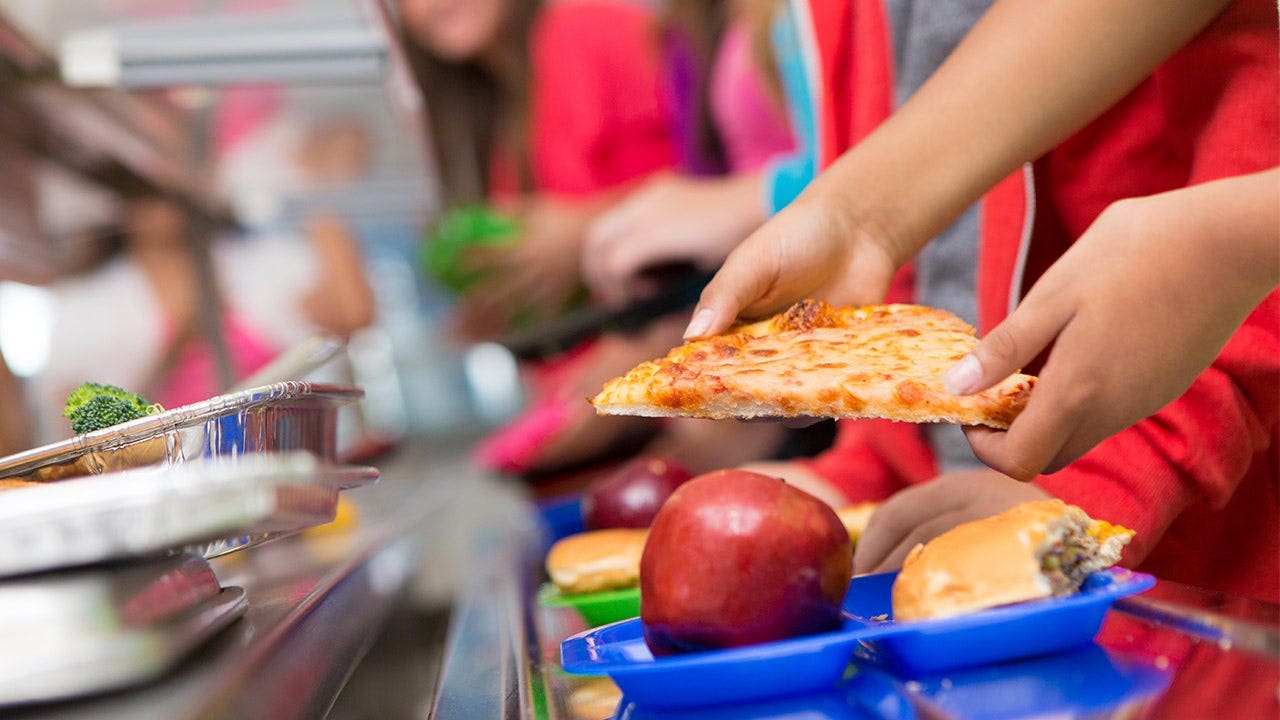
Checklist: healthy school meals and real food, nutrition as a foundation for child health, the role of USDA and federal dietary guidance, stronger ties between schools and local farmers, and the Farm to School Grant Program’s push to improve access to better ingredients.
America has always run on the idea that kids should get a fair shot at building a strong life. That promise gets a lot harder to keep when everyday meals are loaded with junk, sugar, and ultra-processed ingredients that leave students tired instead of ready to learn.
The country is dealing with a serious health problem, and the numbers are hard to ignore. Chronic disease is widespread among adults, while children have also faced worsening health trends over the last two decades, with poor nutrition sitting near the center of the mess.
That is why the push to bring real food back into school lunch trays matters so much. A healthy lunch is not some side issue or a feel-good extra, since it affects energy, focus, growth, and the ability of a child to get through the school day with a clear head.
The federal government has already started moving in that direction through updated dietary guidance aimed at helping families and schools make smarter choices. The point is simple enough: use solid nutrition science to turn decades of research into practical advice that actually makes life healthier.
Real food is the heart of that message. Highly processed foods may be cheap, flashy, and easy to push, but they do little for growing bodies and often leave kids chasing quick hits of sugar instead of steady nourishment.
Whole, nutrient-dense foods tell a much better story. Fresh fruits, vegetables, grains, dairy, and protein give children the fuel they need to stay sharp in class, keep up in sports, and build healthier habits that can last well beyond school years.
Schools are not tackling this alone, either. Federal efforts are working with states and local districts to make better meal options easier to adopt, including moves that give schools more freedom to serve foods that match the updated guidelines.
Those changes matter because local decisions can make a huge difference. When schools have more room to choose healthier options, they can start shifting menus in a way that feels realistic, practical, and tied to what children actually need, not just what is cheapest or most processed.
Farmers and ranchers also sit at the center of this effort. Every good school meal begins long before the tray is served, with the people growing fruits, vegetables, grains, dairy, and protein in fields, barns, and processing facilities across the country.
Strengthening the bond between local agriculture and school nutrition programs does more than improve lunch menus. It helps rural communities, supports family farms, and keeps food dollars circulating in places that often get squeezed by big, distant supply chains.
That is where the Farm to School Grant Program comes in. By channeling nearly $20 million to connect producers with schools, summer meal efforts, and childcare settings, the program is building a cleaner, more reliable path from farm to cafeteria.
The real value of that approach shows up in the details. Better grant design, fewer roadblocks, and larger partnerships make it easier for schools and producers to work together without getting buried in red tape or small-scale thinking.
Projects built around local sourcing can also bring a lot of people into the same effort. School nutrition teams, producers, processors, and community partners all play a role when beef, pork, poultry, and other local foods start showing up more often in student meals.
There is something bigger happening here than a menu update. Better school food connects health, education, agriculture, and community pride in a way that feels both practical and deeply American, with kids benefiting first and farmers strengthening right alongside them.
