
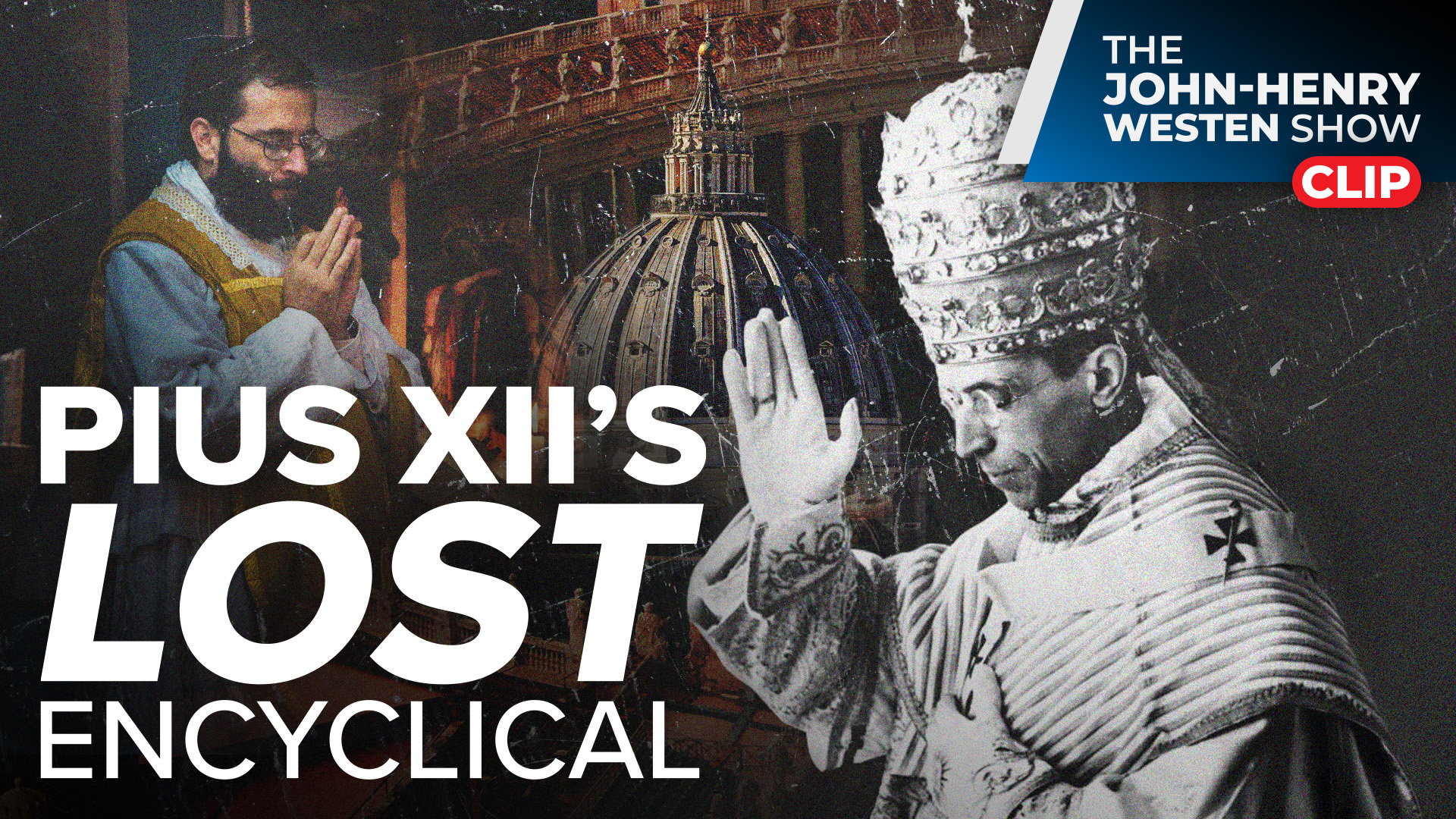
Pope Pius XII left behind a draft encyclical, titled Cultum Regni, that reads like a warning shot fired at the future: it anticipated theological shifts that would treat the Mass more as a communal meal than as the sacrifice at the altar. Newly uncovered pages show Church leaders recognized the drift toward the Nouvelle Théologie and its consequences, and they tried to condemn those moves well before the Second Vatican Council convened. This discovery reframes debates about liturgy and doctrine that erupted in the 1960s and still ripple through Catholic life today.
The draft itself zeroes in on a theological trend that sought to reshape how the faithful understand the Eucharist. Pius XII and his advisors saw the pull to soften the sacrificial language, to emphasize fellowship and meal imagery above the rite’s sacrificial core. They worried that shrink-wrapping a timeless sacrifice into a social meal would strip the liturgy of its spiritual weight and doctrinal clarity.
That concern was not abstract. The Nouvelle Théologie argued for closer engagement with contemporary thought and historical methods, and in some corners that produced a reinterpretation of what the Mass does. The draft encyclical reads as a corrective, insisting that innovation must not erode essential truths, especially the sacrificial nature of the Eucharist. In other words, pastoral sensitivity could not become a cover for theological compromise.
Pius XII’s tone in the draft is firm but pastoral, aiming to protect the faithful from confusion. He anticipated that redefining the altar as a table would reshape prayer, devotion, and practice across parishes and dioceses. The change would not be merely cosmetic; it would alter how Catholics perceive sacrifice, atonement, and the priestly role in offering the holy mysteries to God.
The subsequent liturgical reforms that followed Vatican II are often defended as efforts to make worship more accessible and participatory. Yet the draft shows that at least some in the Church hierarchy had already seen the risks: participation without formation can turn reverence into casual engagement. When the center of worship shifts from an offered sacrifice to a shared meal, the spiritual gravity of the rite can dissipate unless catechesis and theology move quickly to fill the gap.
For many Catholics who hold the traditional understanding of the Mass, this document feels like vindication. It explains why the controversy over liturgy was never simply about language or rubrics; it was about the meaning of the Eucharist itself. The draft provides a snapshot of institutional foresight, a moment when leaders tried to block a path that later became mainstream in certain liturgical circles.
Historians and theologians will now have to weigh how this draft should influence our reading of mid 20th century Church decisions. Did missed opportunities to heed such warnings contribute to later divisions and debates over the Mass? The draft does not answer every question, but it sharpens the debate by proving that concerns about sacrificial theology were explicit and urgent long before they exploded into public controversy.
Practical consequences followed quickly in places where the new liturgical ideas took hold: changes in architecture, language, and posture created a different atmosphere around the altar. Those changes reinforced the theological shift the draft condemns. Once custom and design adapt to a new conception of worship, reversing course becomes much harder, and the draft highlights how fragile doctrinal continuity can be in the face of cultural and pastoral experimentation.
Discovering Cultum Regni invites a sober reexamination of how the Church balances reform and continuity. It calls for careful catechesis and a clear articulation of why the Eucharist remains a sacrificial mystery even as we value community and participation. The pages left by Pius XII are not just historical curiosities; they are a prompt to think seriously about the theological choices that shape worship and the life of the Church.
