
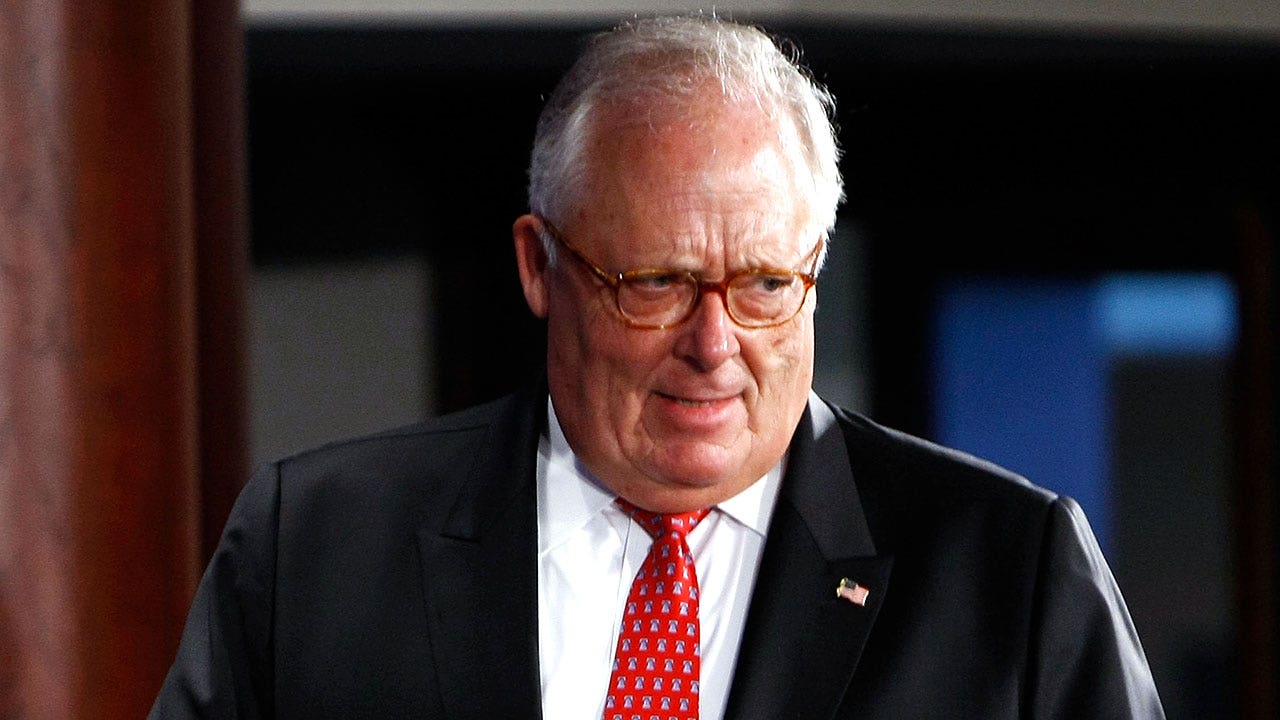
Mike Pence’s tribute to Ed Feulner centers on a simple but powerful idea: real leadership is not about flash, it’s about building things that last. Feulner, the longtime force behind the Heritage Foundation, spent his career shaping people, ideas, and institutions instead of chasing the daily noise. That kind of legacy, Pence argues, matters now more than ever as America faces a new round of serious tests.
Feulner never treated politics like a sprint for headlines. He understood that short-term wins can vanish fast if they are not tied to deeper convictions, so he focused on the long game, investing in a movement rather than a moment. That mindset helped turn conservative ideas into a durable force in public life.
As the founding president of Heritage, Feulner helped bring conservative thought out of the margins and into the machinery of government. He built a place where ideas could be sharpened, defended, and carried into action by people who knew the stakes. He also cared deeply about passing that work on, which is why so much of his energy went into developing the next generation of leaders.
That part of his story is what makes the tribute feel bigger than one life story. Feulner was not just a strategist or a policy guy, he was a builder of confidence, discipline, and purpose. In a political culture that often rewards noise over substance, that kind of steady leadership stands out.
Pence connects Feulner’s example to the moment America is living through right now. With the nation marking its 250th anniversary, there is plenty to celebrate, but there is also no shortage of pressure points, from constitutional trust to China’s rising threat, from crushing debt to government overreach. He frames those challenges as a test of whether America still has the backbone to lead with clarity.
The point is not just that these problems are real, but that they demand patience and principle. Feulner’s career showed that durable progress comes from staying grounded when the political weather turns rough. That lesson can feel old-fashioned in the age of instant reactions, but it is exactly why it still lands.
Pence also draws a sharp contrast between personality-driven politics and idea-driven leadership. The loudest voice in the room is not always the one that matters, and the most visible victory is not always the most lasting one. Feulner seemed to know that, and he built accordingly.
At the heart of the piece is a call to protect the institutions that keep liberty alive. That means more than nostalgia or polite remembrance, because it means carrying forward the work of forming leaders who understand duty, restraint, and conviction. Those are not trendy words, but they are the kind that keep a republic standing when things get shaky.
The tribute also carries a quiet challenge to conservatives who may be tempted to settle for short bursts of momentum. Feulner’s life suggests a different path, one rooted in endurance, discipline, and a willingness to do unglamorous work for the sake of something larger. That is the kind of example that can still shape a movement if people are willing to take it seriously.
America does not need more empty branding or temporary applause. It needs men and women willing to build, teach, and guard the principles that made the country strong in the first place. That is the lane Feulner chose, and it is why his influence keeps echoing long after the headlines fade.
There is also something fitting about remembering him while the country is celebrating a major milestone. Big anniversaries tend to invite speeches about greatness, but Feulner’s life points to the work behind greatness, the patient, stubborn effort to make institutions matter and to keep freedom from slipping away. That work never really ends, and it rarely gets enough credit.
Feulner’s legacy lives in the people he mentored, the institutions he strengthened, and the ideas he helped keep alive. Pence’s message is clear enough: if America wants strong leadership today, it should look toward the kind of example that values character over applause and permanence over performance. That is where the real lift begins.
