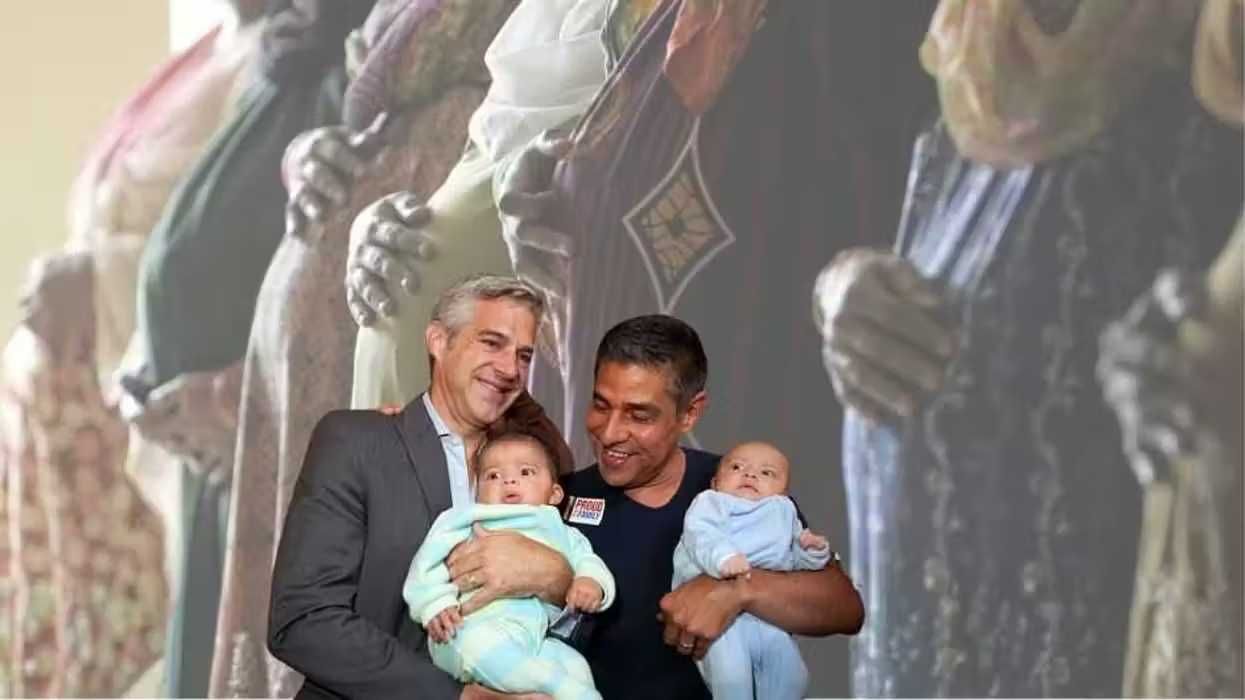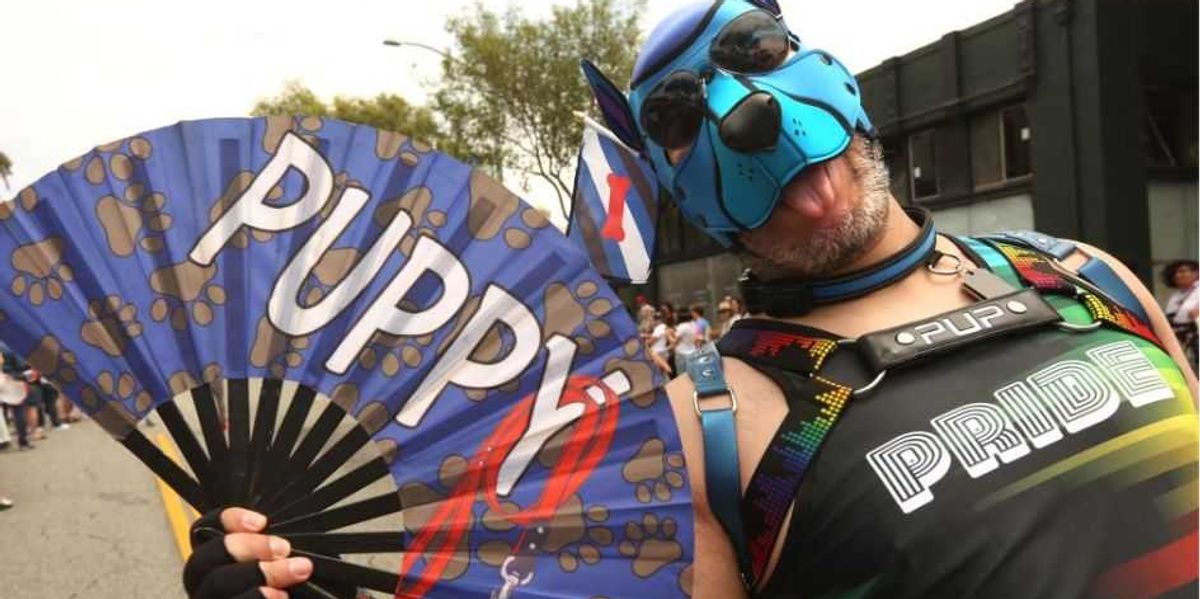
“We’re here, we’re queer, get used to it!” was the battle cry of a younger me, and this piece looks at how that shout swelled into a cultural movement that reshaped public norms, how mainstream America adopted practices once confined to subcultures, and why many conservatives now push back against a Pride that has moved from dignity to spectacle.
I remember chanting those words in 1990, thinking it was about claiming space and safety. Decades later, the demand to be seen has become a call for celebration, affirmation, and the normalization of behaviors that used to stay out of the public square. That shift matters because what we accept in public becomes what we teach our children.
Once, gay culture had corners of privacy where people could be themselves without making the rest of society participate. Over time mainstream media and popular culture absorbed not just a tolerance for gay people but the aesthetic and habits associated with sexual subcultures. When those private behaviors start showing up in primetime television, in classrooms, and in month-long public seasons, the line between private life and public celebration blurs.
For many, this feels like liberation. For others, it looks like an erosion of public decency. What started as demands for dignity, privacy, and equal treatment now often reads as a public performance that insists on affirmation rather than mere tolerance. That change shifts the burden: society is no longer asked to leave people alone, it is urged to validate and amplify intimate practices in public spaces.
I came of age in a very different era of gay life, when consequences for risky behavior were obvious and painful. What I saw then and what a lot of conservatives see now is not a harmless cultural addition but a contagion of sorts—an export of behavior once limited to adult spaces into family-friendly environments. That migration transforms the expectations parents and communities face when they walk down Main Street with their children.
Libertinism and sexual exhibitionism used to be described as fringe, something that happened in clubs or behind closed doors. Now elements of that fringe are curated as community events and school programs. When a parade becomes a month and a private culture becomes civic ritual, people who never asked for this encounter it as normal and expected.
There is also a moral dimension being debated. Pride once meant earning a place in civil society. Today’s insistence on celebration and performance asks for more than legal equality; it asks for cultural supremacy. Conservatives argue that society should preserve neutral public standards that allow people to live freely without turning private lives into public catechisms.
Personal stories matter here because they show how cultural shifts reshape identities and behaviors. Young people are impressionable, and public messaging influences what they think is acceptable or desirable. Where adults once kept certain acts private, those acts now parade in daylight, and many parents question whether that visibility is appropriate for minors.
Acceptance should mean security and equal rights, not mandatory participation in all aspects of another group’s lifestyle. A pluralistic society can protect people from discrimination while still maintaining a shared public culture that respects children and family norms. That balance is what many conservatives want to recover.
There are real trade-offs when a movement moves from private dignity to public celebration. Communities choose what to signal in civic spaces, and when signals become endorsements, people who disagree feel pushed to the margins. That marginalization breeds resistance, and American politics is responding with a cultural pushback in schools, local ordinances, and public debates.
We can protect individual rights without converting every public forum into a stage for sexual performance. Citizens who want a return to a more restrained public decorum are not calling for persecution; they are asking for a clear boundary between private life and what we teach in public institutions. That would be a reasonable request in any pluralistic republic.
If the dominant culture has moved in a direction that many find unsettling, then the political answer is straightforward: organize, vote, and insist on local rules that reflect your community standards. Public policy and civic norms have always been the work of citizens, and a sustained, peaceful, democratic push can redraw those boundaries without trampling anyone’s private life.