
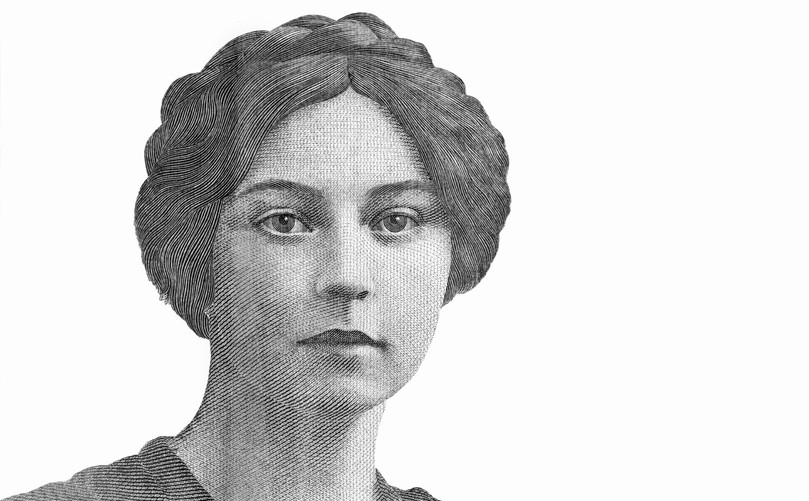
Bishop Fredrik Hansen of Oslo has taken the first steps to open a canonization cause for Sigrid Undset, the Nobel Prize–winning Norwegian novelist best known for the Kristin Lavransdatter trilogy and for embracing the Catholic faith at age 42. This article looks at the significance of a bishop leading such a move, why Undset’s life and work matter to both readers and faithful, and what a cause typically involves in broad terms. The focus remains squarely on the characters of faith, literature, and the institutional opening of a saintly inquiry.
The announcement that a diocesan leader is championing Sigrid Undset’s cause brings together two worlds: the literary circle that has long celebrated her fiction and the Catholic community that recognizes her spiritual transformation. Bishop Fredrik Hansen’s role signals a formal interest from the local church in documenting and evaluating Undset’s life, virtues, and influence. For many, that step alone is noteworthy because it moves a public admiration into an ecclesial process with historical consequences.
Sigrid Undset is widely remembered for the Kristin Lavransdatter trilogy, a set of novels whose medieval setting and rich character work captured readers across languages and generations. Those books have anchored her reputation in the literary canon and continue to be cited as profound explorations of duty, desire, and moral complexity. Her fiction gave a secular audience a way to encounter medieval piety and human struggle, and those themes now intersect with why some see her life as spiritually exemplary.
Undset’s conversion to Catholicism at age 42 is a central thread in any conversation about her possible canonization. That personal decision reshaped her worldview and infused much of her later thought and public witness. For readers and for Catholics who admire her, conversion is not merely a biographical detail; it is a turning point that helps explain the moral and theological consistency many detect in her later writings and public life.
When a bishop opens or supports a canonization cause, he is essentially inviting a careful examination. The process typically gathers testimonies, writings, and other documentation to assess a person’s lived virtues and reputation for holiness. That inquiry is a formal attempt to see whether private devotion and public esteem align with the standards the Church uses when considering someone for beatification and eventual canonization.
Placing Undset’s name before such an inquiry raises questions about how literature and spiritual witness intersect. Her novels are not merely artistic achievements; they are often read as moral narratives that engage with sin, grace, and redemption. Supporters who welcome the cause point to the way her prose gave voice to a religious imagination and opened paths for readers to consider faith seriously, while skeptics caution that literary greatness and personal sanctity are not the same thing.
In Norway and beyond, reactions are likely to be varied because Undset occupies different roles for different communities. For literary scholars she remains a towering author whose historical insight and psychological nuance remain influential. For Catholics who value models of conversion and cultural engagement, her life presents a compelling example of a mind and heart drawn into the Church and then using talent to explore deep moral questions.
Bishop Fredrik Hansen’s involvement starts a formal chapter that will take time and careful documentation. Whether the investigation moves from local inquiry to wider recognition depends on how the Church evaluates the evidence, including any reports of extraordinary grace attributed to her intercession. Whatever the outcome, the move to open a cause for Sigrid Undset puts fresh attention on a figure who straddles both literary fame and spiritual transformation.
