
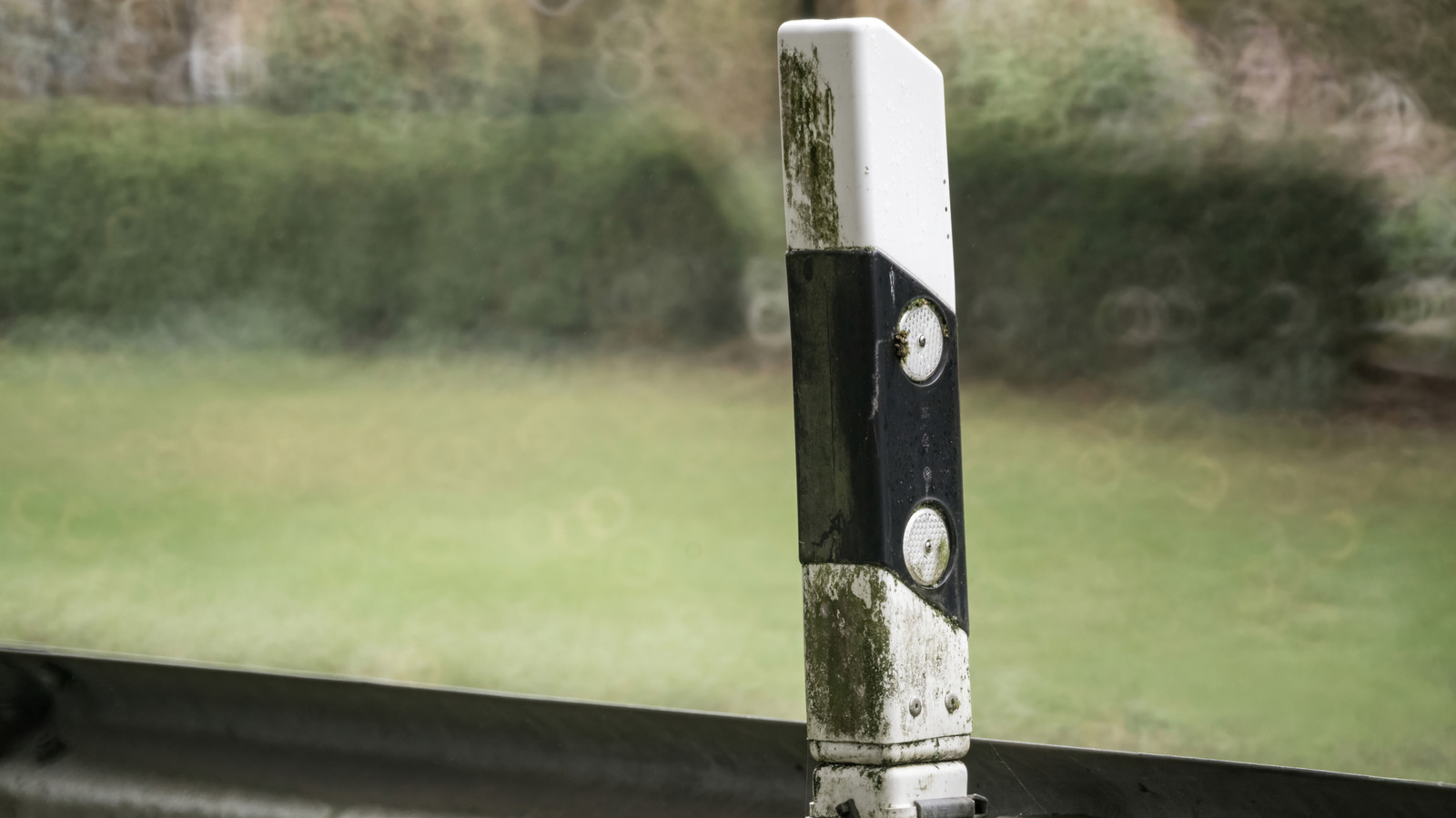
These bright orange posts you see lining roads and parking lots serve a clear, practical job: they mark limits, guide traffic, and boost visibility after dark. This piece explains what those posts are, why they glow in headlights, how they help drivers and pedestrians, and what factors go into their placement and upkeep. You’ll get a straightforward look at design choices, safety benefits, and common complaints, plus simple tips for staying safe around them. No technical deep dive, just the facts you need to notice them for the right reasons.
The orange poles are usually called delineator posts or bollards depending on how sturdy they are, and they’re chosen for one main reason: visibility. At night or in bad weather, a slim post with a reflective strip catches light and creates a visual cue where painted lines might fade. They don’t stop a car the way concrete barriers do, but they make boundaries obvious and reduce confusion at intersections, driveways, and road edges.
Material choices matter. Plastic and flexible polyurethane are common because they bend instead of breaking when hit, cutting down on dangerous debris and repair costs. More permanent posts can be metal or concrete when physical protection is needed, like around utility boxes or outside storefronts. Reflective sheeting or embedded glass beads are added to almost every design so a single headlight beam will make the post pop out of the darkness.
Placement is a careful balance between function and clutter. Engineers and planners put posts where drivers need a constant cue — along medians, around pedestrian zones, and at the start of bike lanes. They’re also useful in areas prone to snow or flooding where painted lines vanish under conditions, keeping drivers aware of lane edges. Too many posts or inconsistent spacing can create confusion, so guidelines often govern how far apart and how high each marker should be.
At night, these markers perform an outsized role. Human vision struggles to judge depth and peripheral detail in low light, and a reflective post gives a quick, reliable anchor point for steering choices. That simple reflection can be the difference between staying in your lane and drifting too close to a curb or shoulder. For cyclists and pedestrians, a row of well-placed posts can define safe pathways and slow vehicle turns, especially near school zones or parks.
Maintenance keeps the system working. Reflective surfaces dull over time and flexible posts can be pounded loose by plows or driven over repeatedly, so municipalities schedule checks and replacements. Dirt, road salt, and grime all cut down on reflectivity, which is why cleaning and timely replacement are part of routine street care. In some places community volunteers and local businesses chip in to report damaged markers so repairs happen faster.
There are trade-offs. Critics argue that too many posts make streets look crowded and can create hazards if drivers expect them to stop a vehicle. Others point out that poorly chosen colors or low-mounted reflectors aren’t as effective for taller vehicles or for people with certain visual impairments. Designers respond by adjusting height, color contrast, and reflector size, and by using complementary measures like raised pavement markers and improved street lighting.
For drivers and pedestrians, the takeaway is practical: treat those orange posts as guideposts, not crash barriers. Give them space, use them to orient yourself at night, and slow down in areas where they signal a change of pattern like a lane drop or a school crossing. If you live in a community with many damaged or missing posts, report it to local public works so they can keep the markers doing their job.
