
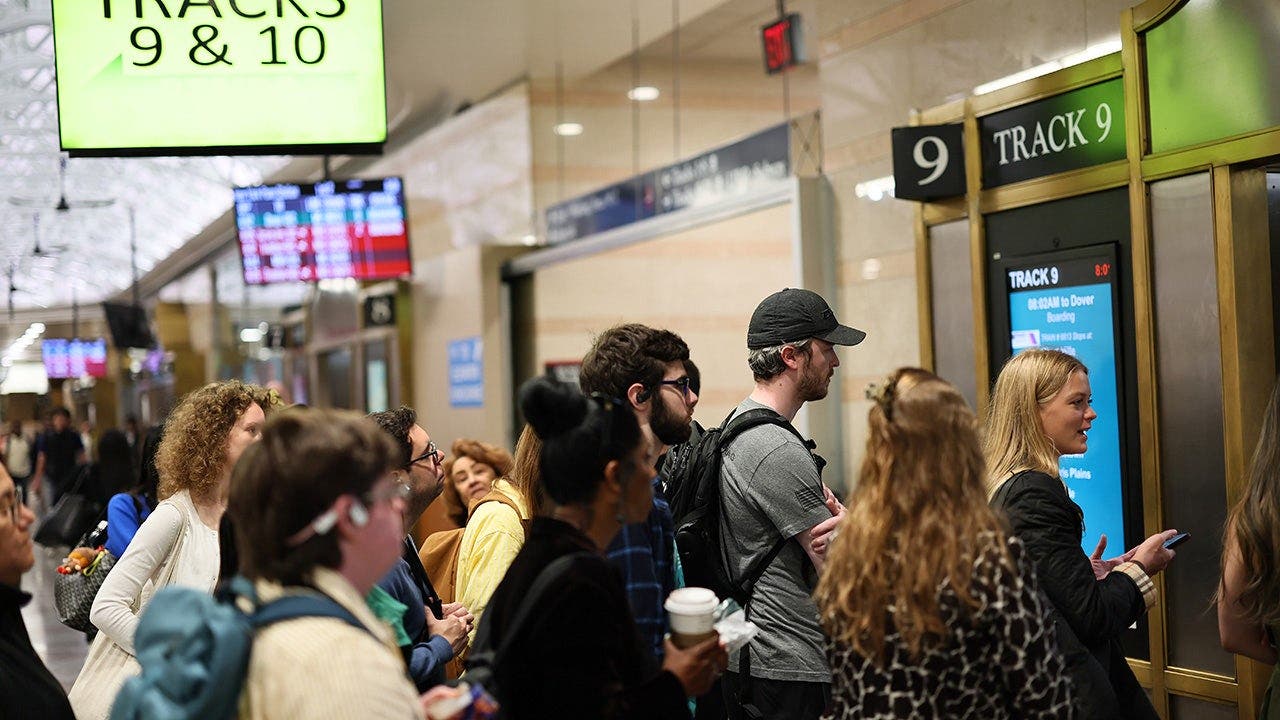
NJ Transit riders heading from MetLife Stadium to Penn Station for World Cup matches are facing a sharp jump in travel costs, with reports putting one-way fares well above the regular $12.90 price. The change has prompted questions about who sets special-event pricing, how it affects fans and commuters, and what alternatives exist for getting into Manhattan. This piece walks through the situation, the potential reasons behind the spike, and what travelers might expect in the days around big events.
Normally, a trip from MetLife Stadium into Penn Station runs around $12.90, a price many fans expect when planning match-day travel. Now those familiar numbers are being upended by a reported surcharge that pushes fares into triple digits for some World Cup services. That kind of leap turns what used to be a reasonable transit option into a financial decision for families and regular commuters alike.
There are a few practical reasons agencies and event partners consider higher fares for marquee events. Crowd control and extra staffing add real costs, and agencies sometimes pass a portion of those expenses to riders through special-event pricing. Still, the magnitude of the reported increase has made people wonder whether this is cost recovery, opportunism, or a sign that private operators are handling some services.
For fans, the immediate impact is budgeting and accessibility. A family of four suddenly facing four high-priced fares will weigh whether to take the train, drive and pay to park, or skip a night out entirely. That choice affects attendance patterns and the overall fan experience, and it also raises fairness questions about who can afford to attend large international events.
Commuters who share the line with event traffic have separate worries. Regular riders depend on predictable schedules and fares, and sudden changes for special events can cause frustration if alternative transportation is limited. When transit capacity is shared between everyday riders and one-time crowds, operators need clear communication and consistent policies to avoid alienating their base.
There are a handful of alternatives fans might consider to avoid steep train rates on match day. Driving and parking is one, though parking at stadiums often sells out and carries its own premium. Shuttle buses, rideshares, and coordinated carpooling are other options, but each has tradeoffs in cost, time, and convenience during a high-traffic event.
Event organizers and transit officials can take steps to ease the sting of higher fares. Clear advance notice, tiered pricing that helps low-income riders, and bundled transit options included with event tickets are measures that can balance revenue needs with accessibility. Without those measures, abrupt price hikes risk souring public opinion and creating logistical headaches on game day.
Another angle is the role of private contractors and third-party vendors who sometimes run special-event services. When non-public entities manage a portion of event transport, pricing can reflect market rates more than standard transit policy. That distinction matters because it affects transparency and who is accountable for customer service and refunds when plans change.
Longer term, cities and transit systems have to weigh the reputational cost of steep event surcharges against the short-term budgetary benefits. If fans start avoiding public transit for events, the increased car traffic can strain roads and parking and undermine sustainability goals. On the other hand, under-pricing special services can leave agencies with outlays they did not plan for.
For now, travelers should check official channels and event communications for the latest fare information and plan ahead. Comparing options, looking for bundled deals, and arriving early to avoid last-minute transportation stress are practical moves. The reported jump from $12.90 to rates over $100 is a headline-grabbing development, and it will likely shape conversations about how major events should be priced and managed in the future.
