
The Ninth Circuit Court of Appeals recently delivered a decision that has sparked considerable discussion. Roberto Moncada, born in New York City in 1950, found his citizenship status revoked due to his father’s diplomatic role. The court reaffirmed a long-standing interpretation of the Fourteenth Amendment, emphasizing that it does not automatically grant citizenship to children born to foreign diplomats in the U.S.
Moncada lived most of his life as an American, with passports and oaths of allegiance underpinning his belief in his citizenship. However, in 2018, a government review revealed that his father held the position of a Nicaraguan attaché, not merely a consul. This distinction carried full diplomatic immunity, excluding Moncada from U.S. jurisdiction at birth.
The Constitution’s Fourteenth Amendment specifies that only those born “subject to the jurisdiction” of the United States are citizens. Children of foreign diplomats, like Moncada, are excluded from this provision. As a result, Moncada’s father’s diplomatic status meant that his son was not automatically granted U.S. citizenship.
The case was complicated by conflicting records, with some identifying Moncada’s father as a “Deputy Consul” and others as an “Attaché.” Ultimately, the State Department’s “Blue List,” which confirmed his status as an attaché, proved decisive. The court concluded that Moncada was never a U.S. citizen based on clear and convincing evidence.
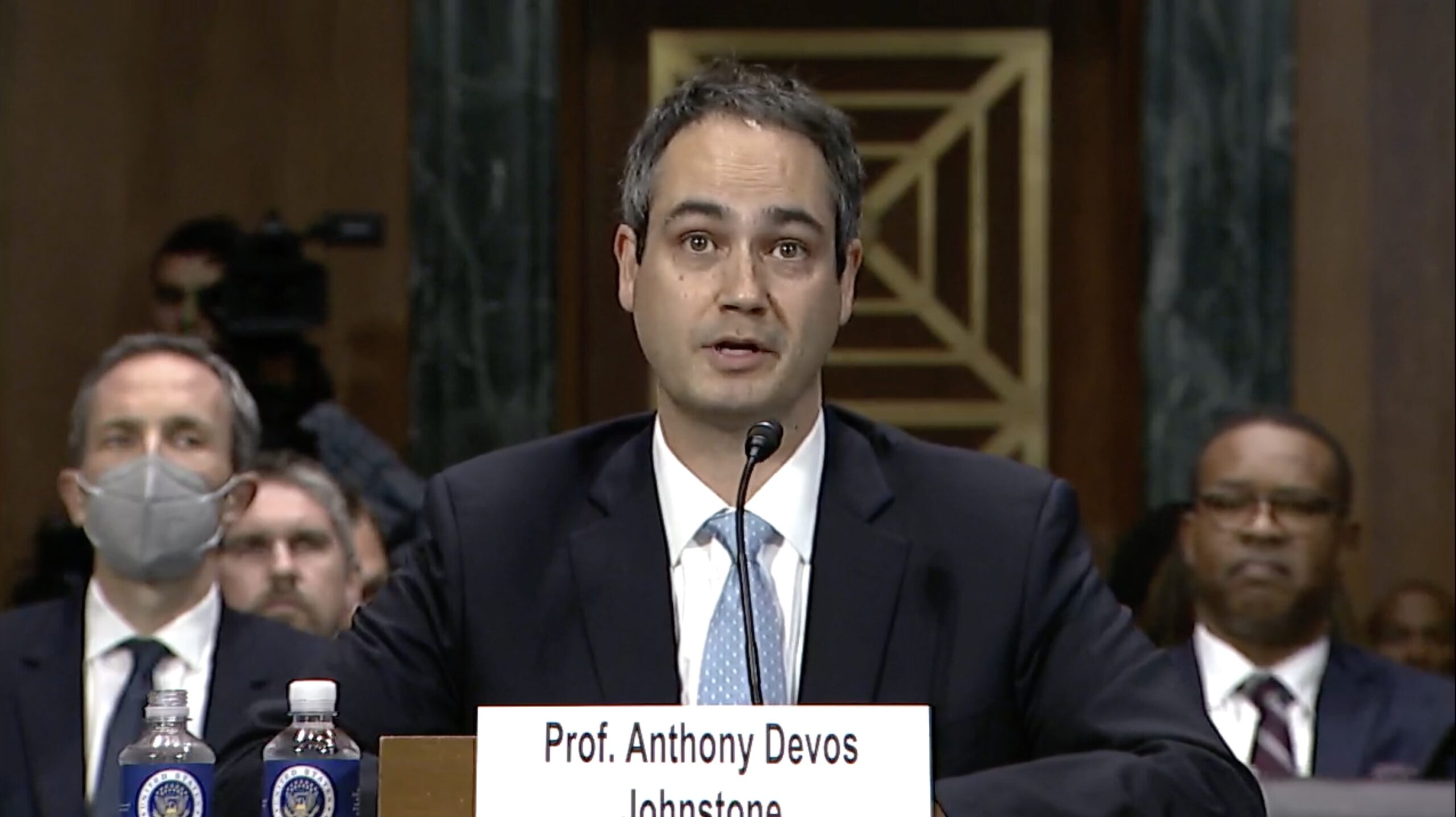
In 2019, Moncada challenged the government’s decision in court. Judge Anthony Johnstone, appointed by President Biden, penned the opinion for the case. He noted that the government had initially affirmed Moncada’s birthright citizenship but later realized its error.
The government’s 2018 record review clarified that Moncada’s father was indeed an attaché with full diplomatic immunity. This revelation meant Moncada was not born “subject to the jurisdiction” of the U.S. As a result, the government revoked his passport and informed him of his non-citizen status.
Moncada sought a declaratory judgment to affirm his citizenship status. However, the Secretary of State presented a certification indicating Moncada’s diplomatic immunity at birth. The district court did not accept this certification as conclusive but upheld the government’s evidence.
The court found that clear and convincing evidence supported the claim that Moncada’s father had diplomatic immunity at the time of his birth. Judge Johnstone’s decision reflected the logic of the U.S. government’s arguments. His application of the legal principles was consistent with longstanding interpretations of the Fourteenth Amendment.
This ruling underscores the importance of diplomatic immunity in determining citizenship status. It highlights the nuances of the Fourteenth Amendment’s jurisdiction clause. The case serves as a reminder of the complexities involved in interpreting constitutional provisions.
Moncada’s situation is a rare instance where longstanding assumptions about citizenship are challenged. The decision reaffirms the constitutional boundaries of birthright citizenship. It also emphasizes the unique legal status of foreign diplomats and their families.
The court’s ruling has implications for how diplomatic immunity is understood in the context of citizenship. It clarifies the distinction between consular and diplomatic roles in determining jurisdiction. The case has sparked discussions about the interpretation of the Fourteenth Amendment.
The decision may influence future cases involving similar circumstances. It reinforces the notion that not all individuals born on U.S. soil are automatically entitled to citizenship. The case exemplifies the careful scrutiny required in matters of diplomatic immunity and citizenship.
While Moncada’s legal battle may continue, the court’s ruling stands as a significant interpretation of citizenship law. It aligns with historical and constitutional perspectives on the matter. The outcome reflects the complexities inherent in cases involving international diplomacy and U.S. law.
