
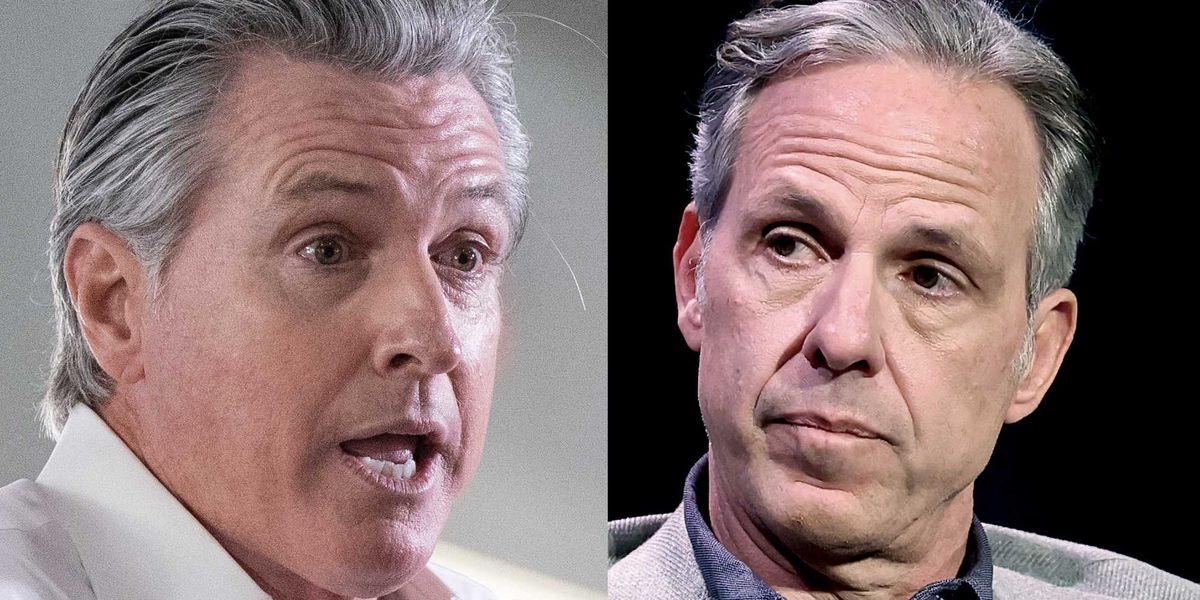
California’s pandemic response is back in the spotlight after Gavin Newsom acknowledged that the shutdowns went too far. The remark, made during a relaxed fishing trip interview with Jake Tapper, pulled an old wound right back into the open and gave critics fresh fuel. What once passed as emergency decision-making now looks, to many people, like a massive overreach with real consequences.
The shutdown era left a deep mark on daily life, and that part still stings. Schools closed, small businesses folded, and ordinary routines got turned upside down in ways that are hard to forget. Newsom’s admission lands because it lines up with what a lot of Californians had been saying for years, even while officials kept insisting the rules were necessary.
That kind of reversal matters. When a governor who helped steer one of the nation’s toughest lockdown policies calls it “insane,” it raises obvious questions about who paid the price for all that control. Families, workers, and business owners lived with the fallout long after the speeches and press conferences stopped.
For a lot of people, the frustration was never just about masks or closures. It was about how quickly civil life narrowed, how little room there was for common sense, and how hard it became to challenge authority once the panic set in. The longer those restrictions dragged on, the more they felt like habits of power instead of temporary emergency measures.
Newsom’s comments also hit because they came in such a casual setting. Fly-fishing with Jake Tapper is not exactly where people expect a blunt admission about a policy disaster, and that contrast made the moment even sharper. It gave the exchange an almost offhand honesty that official statements usually avoid.
The political damage from the pandemic years is still being sorted out. Governors and local leaders across the country made choices that reshaped public trust, and California became one of the clearest examples of how fast that trust can crack. Once people see leaders shrug off the harm as if it were no big deal, the memory tends to stick.
That is why this acknowledgment is more than just a sound bite. It touches a raw nerve about accountability, especially for states that imposed some of the strictest controls and then moved on without much reckoning. The people who lost jobs, missed milestones, or watched their communities shut down are still living with what happened, and they are unlikely to treat the word “insane” as enough of an explanation.
There is also a broader lesson in how the pandemic was handled. Fear can push institutions to overreact, but once that fear becomes policy, the damage spreads fast and gets hard to unwind. Newsom’s line may have been tossed out over a fishing trip, but it captures a sentiment that never really went away.
The shutdown debate is not some dusty argument from the past. It is still tied to trust in government, confidence in public health officials, and the basic question of how much power leaders should grab when uncertainty hits. And now, with one of the biggest names from that period admitting the response went off the rails, that conversation is getting harder to dodge.
