
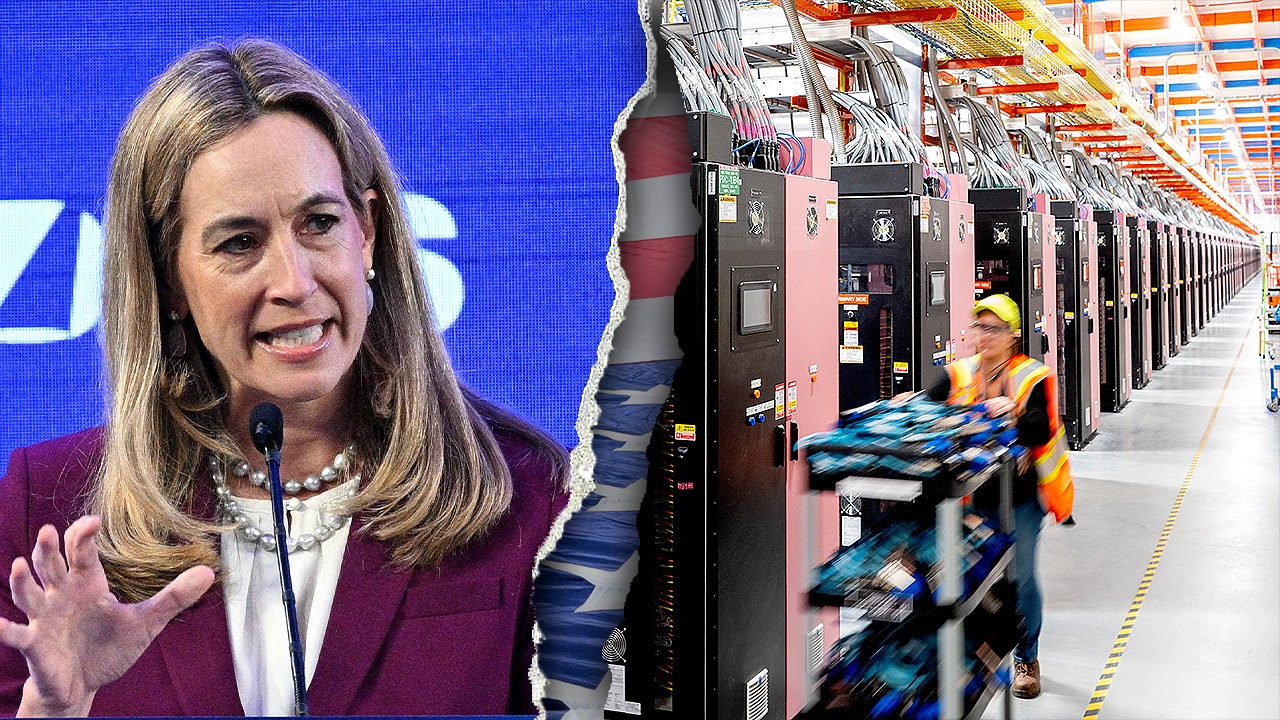
The AI buildout is colliding with a basic household worry: who absorbs the cost when data centers devour more power? New Jersey and Indiana are answering that question in very different ways, and the split says a lot about how states are trying to protect ratepayers while still welcoming the next wave of tech investment.
New Jersey is moving first with a tighter hand. Gov. Mikie Sherrill signed legislation in July that tells regulators to create a separate rate structure for large data centers and make sure grid upgrades built mainly for those facilities do not get dumped onto everyone else’s bill.
The law also puts a long-term financial burden on the companies themselves. Large data centers have to commit to paying for at least 85% of the electricity capacity they request for 10 years, even if they later scale back or shut down, which is designed to stop firms from gaming the system after the heavy lifting is already done.
That is not the only guardrail. New Jersey also wants data centers to help bring clean generation or storage online, use electricity more efficiently and cut demand during emergencies, while a separate measure signed this week requires operators to report energy and water use twice a year.
Supporters say the point is simple: if a giant facility drives new demand, local communities should not be left guessing about the impact. The reporting rules and municipal guidance are meant to give officials a clearer picture before a project gets too far down the road.
Indiana is taking a looser, deal-by-deal route. Instead of a broad statewide framework, regulators approved an agreement worked out by Indiana Michigan Power, consumer advocates and major tech companies, all under pressure from a surge of massive proposed projects in the utility’s service area.
That pressure is real. Amazon Web Services announced an $11 billion data-center campus near New Carlisle in 2024, and Google announced a $2 billion project in Fort Wayne, forcing state officials and the utility to decide how to pay for the extra power and new infrastructure those sites will need.
The Indiana agreement tries to lock in the economics before the projects fully ramp up. New large customers, including data centers, must make long-term commitments for the electric service they request, even if their actual demand later comes in below projections.
Indiana Michigan Power says that structure could help existing customers instead of hurting them. The utility is seeking a $59 million cut in base rates for 2027 and says the revenue from large customers makes that possible, with a proposed freeze on monthly bills for three years if regulators approve the plan.
If the numbers hold, the difference for households could be noticeable. I&M says a typical Indiana home using 1,000 kilowatt-hours a month would save about $100 a year, with savings potentially starting in the summer of 2027 after the commission makes its decision.
Energy advocates are watching the split closely. Daniel Turner, executive director of Power The Future, said Indiana’s approach is better than New Jersey’s more rigid setup, but he also argued that neither state has gone far enough if the AI boom is only eating power instead of helping build more of it.
Turner said the real fix is to pair data centers with the generation they need from the start. In his view, facilities should be built alongside new power plants or other sources that can feed the grid, rather than relying on after-the-fact rules or political guesswork.
He also framed the debate as bigger than utility bills. The United States, he argued, cannot afford to slow down in the race to build AI infrastructure while China pushes ahead, and the country needs clear, practical decisions instead of endless stalling.
The Trump administration has already tried to make that case nationally. In March, the White House announced a Ratepayer Protection Pledge signed by major tech firms including Amazon, Google, Meta, Microsoft, OpenAI, Oracle and xAI, with the administration saying the companies agreed to cover the extra electricity costs tied to AI data centers rather than hand the tab to families.
That idea has found traction because the stakes feel immediate. Utility bills are rising in many places, data center proposals are spreading fast, and state leaders are under pressure to show they can welcome investment without turning households into the fallback funding source for Big Tech’s appetite.
