
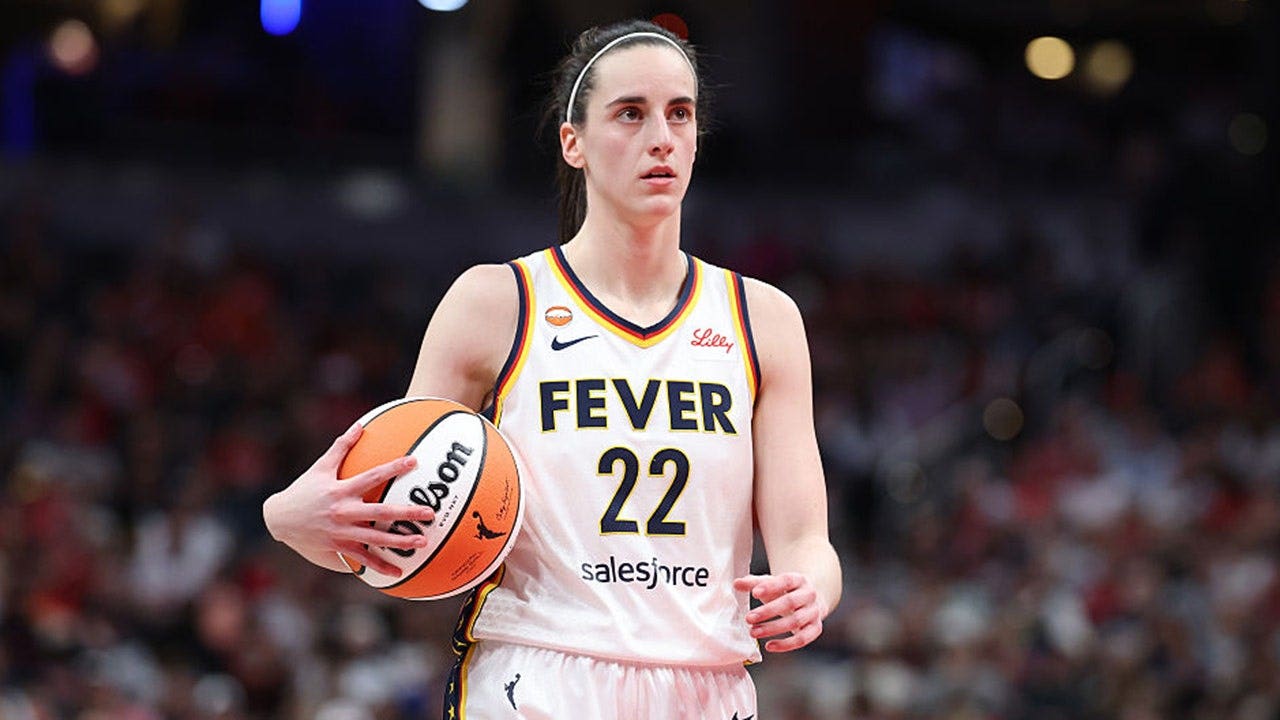
Caitlin Clark has become a lightning rod for everything that is broken in modern sports media, and Nancy Armour’s latest column only poured gasoline on the fire. What should have been a routine conversation about officiating, hard fouls, and a superstar drawing attention to the WNBA turned into a bizarre political lecture, a clumsy moral panic, and a comparison so far off the rails that even Armour had to back away from it.
Clark has taken plenty of contact on the court, often with little help from officials, and that reality matters. Instead of focusing on whether the league protects its biggest draw, Armour framed Clark’s complaints about fouls as somehow putting Black and queer players at risk, which is a wild leap even before you get to the rest of the argument. Clark has also made it clear she does not want fans using her as a tool for racism or harassment, which makes the whole blame game even weaker.
The real jaw-dropper came when Armour dragged Emmett Till into the discussion. That is not a small miss or a sloppy analogy, it is the kind of thing that stops people cold because it is so grotesquely out of place. Till was a 14-year-old boy who was kidnapped, tortured, and lynched in 1955 Mississippi, and trying to connect that horror to a basketball player asking for fair calls is the kind of comparison that instantly destroys credibility.
Armour later tried to soften the blow and called it an “inartful comparison,” which is doing a lot of work for a very bad idea. The problem is not just wording, either. The entire premise was built on the idea that Clark’s behavior on a basketball court carries some wider social menace, and that is exactly the kind of overheated thinking that has made a lot of readers tune sports media out.
This is where the larger issue comes into focus. Sports writing used to be about games, pressure, strategy, rivalry, and personality, but too many writers now seem determined to turn every matchup into a culture-war sermon. Once that starts, the actual sport becomes background noise, and the audience gets stuck listening to lectures from people who seem more interested in proving their politics than covering the action.
That drift has cost the industry in real ways. Fans can tell when coverage is shaped more by ideology than by plain observation, and they react accordingly with less trust, less attention, and less patience. It is hard to build loyalty when the people meant to explain sports keep treating the arena like a place to score points in some separate political fight.
Armour is hardly alone in this pattern. Plenty of familiar names in sports media have spent years mixing commentary with activism until the line between analysis and advocacy is almost gone. Whether it is a columnist, TV panelist, or team beat writer, the same habit keeps showing up: find the political angle first, then bend the sports story until it fits.
That is why this Clark column hit such a nerve. Clark is already one of the most scrutinized athletes in the country, and every gesture she makes gets examined like it is a referendum on society itself. When a writer takes that pressure and responds by dragging in one of the darkest episodes in American history, the result is not insightful or brave, it is reckless and deeply alienating.
The WNBA does need to protect its players better, and the league also needs to figure out how to handle the spotlight Clark brings with her. But none of that is helped by turning a basketball dispute into a moral tribunal with absurd historical comparisons. Clark keeps doing what elite athletes do, which is play under pressure and absorb constant scrutiny, while too many sports commentators keep proving they would rather manufacture outrage than explain the game.
