
Five Senate contests are shaping up as a warning sign for Democrats who leaned hard into left-wing primary winners. In Michigan, Texas, Maine, Minnesota and New Hampshire, Republicans are trying to turn those choices into a broader argument about moderation, competence and voter trust. The result is a map that looks a lot less friendly to Democrats than primary-night hype suggested.
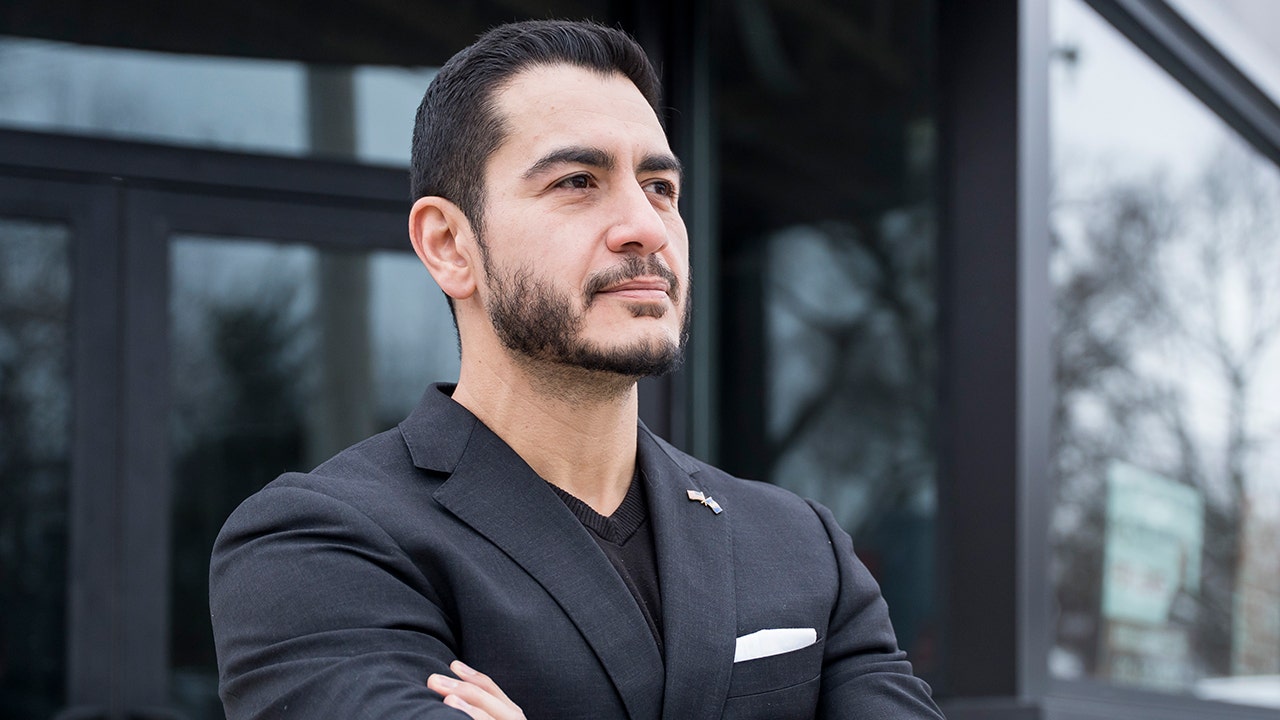
Michigan may be the clearest example of that problem. Abdul El-Sayed squeaked through a race that had once looked comfortable on paper, then immediately faced backlash over his rhetoric and political baggage. Mike Rogers has worked to frame himself as the steadier hand, a familiar Michigan conservative with a practical streak and a message that fits better with suburban and independent voters.
That contrast matters because races like this often come down to tone as much as policy. El-Sayed’s allies may love the energy of a hard-left campaign, but his critics see a candidate who keeps handing Republicans easy material. Rogers, by comparison, is being cast as the kind of calm, no-drama alternative voters often prefer when the spotlight gets intense.
Texas has its own version of the same story. James Talarico is running in a state where Democrats need softness around the edges, but he keeps producing moments that make that job harder. The moment when he answered a question about a favorite drag queen with a quick, offbeat reply was tailor-made for Republicans who want to paint him as out of touch with the state’s political center.
That kind of clip does not stay small in a Texas race. Ken Paxton, already a familiar name and no stranger to combat, can use it to sharpen the choice for voters who are not looking for cultural stunts in a Senate campaign. In a state where a huge share of the electorate still wants a candidate who sounds grounded and recognizable, Talarico keeps giving the opposition a clean opening.
Maine is different, but the pattern still holds. Susan Collins has spent years building a brand around moderation, seniority and a feel for the state’s temperament, and that matters even more when Democrats are forced to reach deeper into their bench. Troy Jackson may have local credentials, but he is running into the hard reality that Collins is built for exactly this kind of political weather.
The bigger issue for Democrats there is not just the candidate switch, but the image problem it creates. When one hopeful gets pushed out by scandal and the replacement is a perennial figure with limited upside, the race starts to look less like a breakthrough and more like damage control. Collins does not need to reinvent herself, which leaves Democrats stuck defending a scramble.
Minnesota has offered another ugly reminder. Peggy Flanagan, tied to the same governing class that watched fraud scandals explode, has entered a race against Michele Tafoya, whose public image is all polish, balance and common sense. That matchup has helped Tafoya look like the safer bet for voters who are tired of progressive talking points that seem detached from the state’s problems.
Flanagan’s challenge is not only the scandal cloud, but the basic question of whether voters want another dose of the same political crowd. Tafoya’s pitch lands because it sounds like a break from that world. When crime, fraud and mismanagement are part of the conversation, “normal” can sound like a major upgrade.
New Hampshire adds yet another twist. Chris Pappas comes from the Democratic political machine and has steadily moved up with the party, but John Sununu brings a very different kind of appeal. His name still carries weight in a state that prizes competence, retail politics and a more careful style than the national party often prefers.
That makes the broader picture pretty simple. Democrats have won some primaries by selecting candidates who thrill the base, but that does not always translate in places where swing voters still matter. Republicans are betting that November will reward candidates who look steadier, sound more familiar and avoid the kind of self-inflicted noise that turns a winnable race into a headache.
