
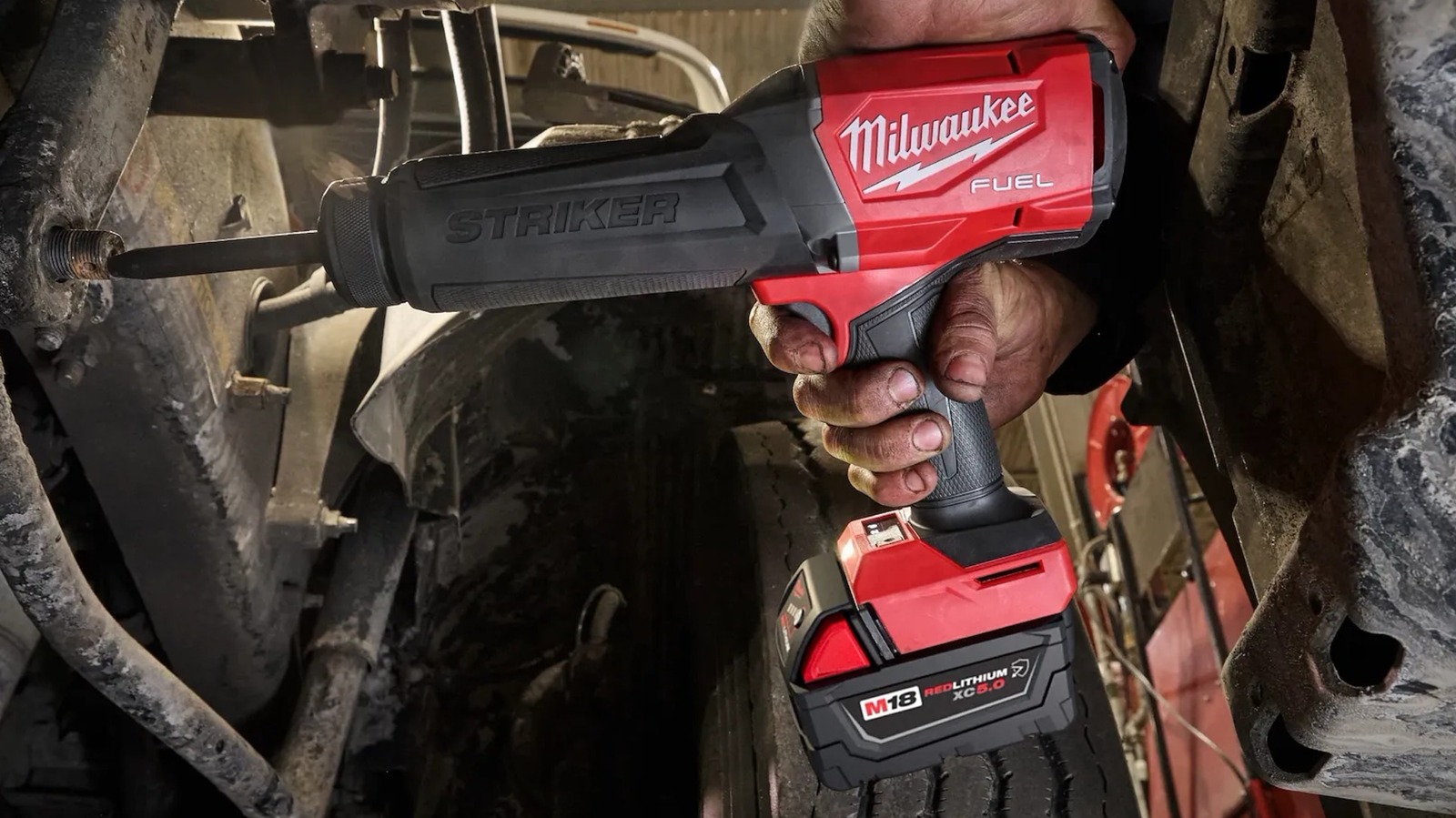
The Milwaukee Striker cordless hammer chisel arrives as a bold step into battery-powered demolition, promising portability and utility where corded tools once reigned. This piece looks at what the Striker brings to the jobsite, how it performs in common use, who benefits most from it, and whether the price matches what professionals and serious DIYers will need.
The Striker is built to replace small demo hammers and chisels that have traditionally needed a cord or compressed air, and that alone changes how crews approach tight jobs. Milwaukee put a hammer mechanism into a cordless package that aims to keep power up while freeing users from outlets and hoses. That portability is the headline selling point for anyone who has had a jobsite where running power was a hassle.
Performance-wise the Striker aims for a balance between impact energy and control, handling tasks like tile removal, thinset scraping, and light concrete chipping. It’s not a 30-pound breaker meant for ripping up slabs, but for targeted work it delivers meaningful blows. Users report it feels closer to a compact pneumatic tool than a tricked-out rotary hammer, which is exactly the niche Milwaukee designed it for.
Battery life and recharge are always the tradeoffs with cordless tools, and the Striker follows that pattern. Heavier work drains packs faster, so a thoughtful battery strategy is essential for consistent productivity. For most pros that means carrying two or three high-capacity batteries to avoid downtime when the work gets stubborn.
Ergonomics get a lot of attention because this is a tool that sees repetitive, strike-heavy use. Milwaukee designed the Striker with vibration mitigation and comfortable grips to help reduce fatigue during longer shifts. The tool’s weight is front-loaded compared to corded competitors, but for many users the lack of a cord offsets that bulk when moving around a property or working overhead.
The real question for buyers is cost versus value, and the Striker does not pretend to be cheap. Milwaukee priced it at a premium, reflecting its unique position as a cordless demolition chisel in a market where alternatives are either lighter, less powerful, or require cords and compressors. For contractors who need mobility and the ability to hop between jobs or floors without setup, that price can be justified by time saved and reduced labor headaches.
That said, hobbyists and occasional users should think twice before splashing out on this tool. If your projects are infrequent or mostly involve light scraping, a lower-cost corded chisel or rented pneumatic setup might be smarter. The Striker shines in repeat-use scenarios where downtime and mobility carry real cost implications.
Milwaukee’s ecosystem matters here, too, because the tool runs on their battery platform which many pros already carry. If you already own compatible batteries and chargers the incremental cost drops significantly, making the Striker a natural addition. Newcomers who must buy batteries, chargers, and the tool will feel that initial sting more sharply.
On the maintenance front the Striker is straightforward, with serviceable parts and standard Milwaukee support channels available for professionals. Regular inspection of the striking mechanism and keeping batteries in good condition are the usual chores that keep performance consistent. Compared to maintaining a compressor and hoses for pneumatic tools, upkeep can be simpler and cleaner.
In short, the Milwaukee Striker cordless hammer chisel is a purpose-built answer to a specific set of problems: portability, quick setup, and targeted demolition where a full breaker is overkill. It costs more than many alternatives, but for contractors and busy tradespeople who value mobility and efficiency, it’s a tool that can pay for itself through faster jobs and fewer logistical headaches. For casual users, there are cheaper ways to tackle chipping work, but the Striker stakes a clear claim in the professional cordless toolbox.
