
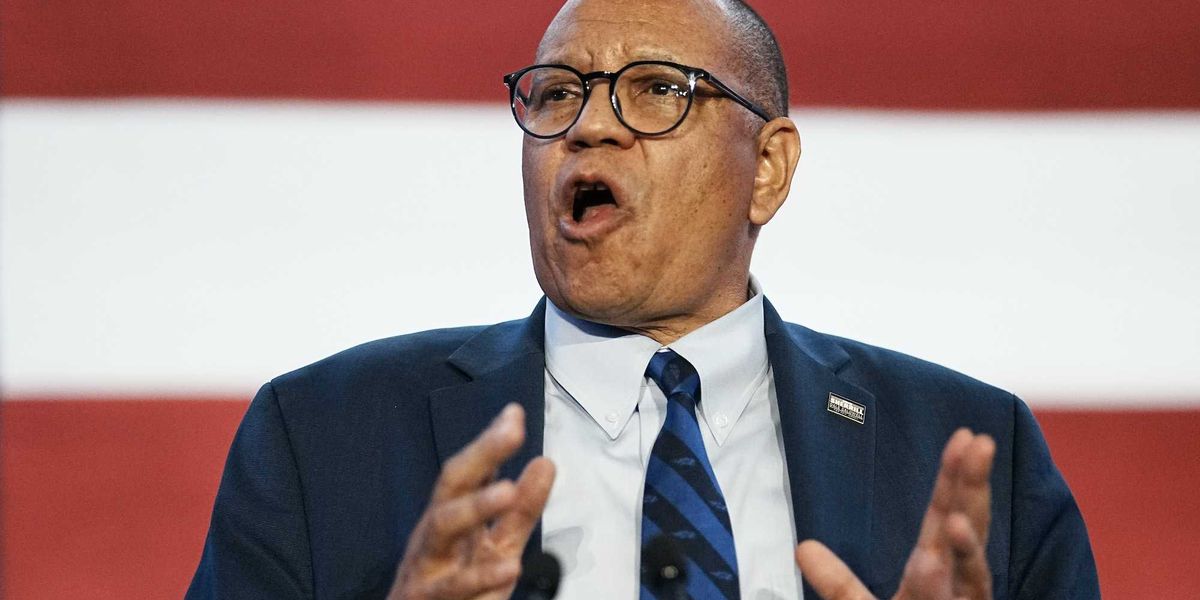
New Jersey politics took a sharp turn as a high-profile resignation sent shockwaves through the state’s Democratic leadership. The move came after damaging sexual misconduct accusations surfaced, putting the party in the middle of an ugly mess that is hard to spin away. What looked like a routine political day quickly became a public firestorm, with the fallout landing squarely on the state’s lieutenant governor and the wider party brand.
The resignation did not arrive in a vacuum. Once the allegations became public, the pressure built fast, and staying in place would have only dragged the story out longer and made the damage worse. In politics, that kind of cloud rarely fades on its own, especially when the accusations are serious enough to dominate headlines and trigger questions about judgment, accountability, and who knew what behind the scenes.
For Democrats in New Jersey, the timing could hardly be worse. A scandal like this does not just hurt one officeholder, it stains the entire operation and gives opponents an opening to hammer away at the party’s credibility. Voters tend to remember the chaos more than the clean-up, and that is exactly the problem when a resignation comes wrapped in claims that strike at personal conduct and trust.
Sexual misconduct allegations carry a special kind of political damage because they cut beyond policy fights and go straight to character. Once the public sees that kind of story, the conversation shifts fast from governing to survival, and every statement gets measured against what people believe happened before the cameras started rolling. That makes the resignation itself less of an ending and more of a signal that the pressure had become impossible to ignore.
In an age of nonstop media coverage, a scandal like this can move from local issue to statewide crisis in a matter of hours. Political figures who once seemed secure can suddenly find themselves boxed in by the simplest question of all: how long could they keep going once the allegations were out in the open? The answer, more often than not, is not very long.
The broader political impact is not limited to one office or one name. When a lieutenant governor steps down under this kind of cloud, it raises fresh concerns about vetting, internal oversight, and whether party leaders saw warning signs they should have taken seriously. Those questions rarely disappear, and they tend to linger long after the initial statement is released and the microphones are turned off.
New Jersey has seen its share of hard-edged political drama, but scandals tied to sexual misconduct always hit differently. They create an immediate sense of rot around the entire operation, and that is difficult for any party to shake, especially when public trust is already fragile. The resignation may quiet one chapter, but the political damage keeps spreading as rivals and voters alike look for answers.
For now, the story sits at the intersection of power, accountability, and public trust, with more attention likely to follow as details continue to surface. The fallout is the kind that forces every remaining player in the room to make a choice, speak carefully, and hope the next headline does not land even harder.
