
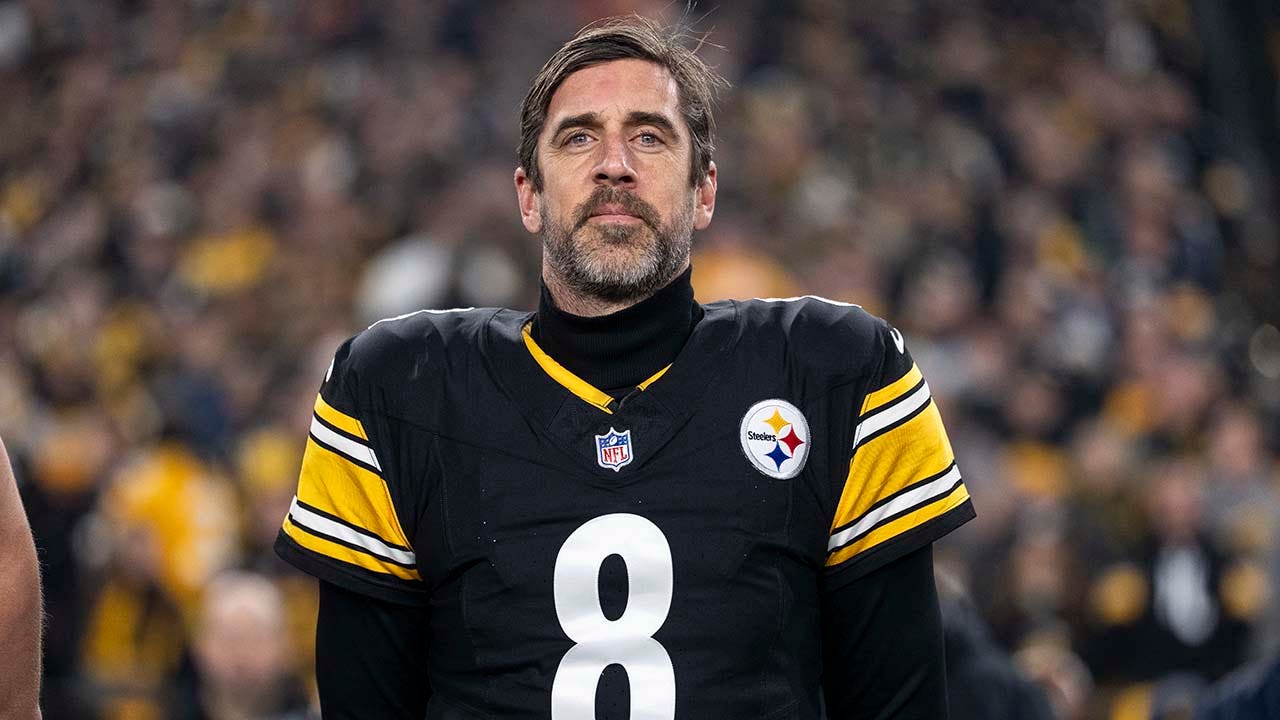
The rumor mill churned and the coach smiled and moved on. Arizona Cardinals head coach Mike LaFleur deflected rumored speculation when asked if the team was interested in quarterback legend Aaron Rodgers. This piece peels back why that brief exchange mattered, what it tells us about the Cardinals’ priorities, and why fans shouldn’t start rewriting rosters just yet.
Coaches get asked about marquee names all the time, and LaFleur handled it like someone who knows headlines are cheap and roster moves are expensive. He didn’t indulge the fantasy or give fuel to gossip, which is a deliberate signal. Teams leak and deny for leverage, but a coach’s public noncommittal line often means the true chess game is happening behind closed doors.
There are practical reasons a team like Arizona would avoid making public flirting with a veteran like Rodgers. Salary cap math, draft capital, and the ripple effects on locker-room chemistry all matter more than a moment’s buzz. Owners and front offices have to balance fan excitement against long-term construction, so a simple deflection is often the safest path.
The Cardinals’ quarterback picture is already complicated, with young players still developing and coaches trying to settle a direction. Investing in veteran star power can accelerate progress, but it can also freeze growth if the younger signal-callers are pushed aside. LaFleur’s answer suggested patience rather than pandemonium, which in roster-building terms is often a good thing.
Media outlets love a blockbuster narrative: the veteran hero arrives and everything changes overnight. Reality is usually less cinematic. Bringing in a high-profile veteran requires clear structure, a timeline for integration, and an honest appraisal of whether the scheme fits the player. A coach unwilling to leap into that story publicly is probably making sure logistics line up before anyone gets excited.
Fan reaction runs the gamut from immediate excitement to wary skepticism, and both are valid. For some supporters, the idea of a proven winner at quarterback is immediately intoxicating. Others remember the headaches that come with forcing a roster to accommodate star power that doesn’t mesh with existing talent and coaching style.
LaFleur’s posture also channels a broader coaching ethos: control the message, protect your group, and keep speculation off the practice field. Coaches who feed the rumor mill risk disrupting preparation and focus. Saying less publicly allows the internal work to proceed without turning every decision into a viral moment.
There are timelines and trade mechanics to consider as well, from contract structures to possible draft compensation. Teams seldom announce intentions until deals are signed and paperwork is filed, and public comments are often a technique to manage expectations. LaFleur’s deflection fits that playbook, signaling that if anything is happening it won’t be announced casually in a press scrum.
At the end of the day, headlines will keep coming and fans will keep hoping for a headline-grabbing move. Coaches will keep deflecting when they need to, and front offices will keep doing the stealth work that actually changes rosters. For now, LaFleur’s slip of a dismissal keeps the focus where it should be: on the work the team has to do every day rather than on hypothetical cast changes.
