
Verified badges can make a post feel safe, but that feeling can vanish fast when attackers slip into a trusted account. Microsoft’s X account was recently used in a crypto scam attempt, and the whole mess is a blunt reminder that a checkmark is not the same thing as real-time control. When money, wallets, or urgent promises show up in a feed, trust should come with a pause.
Scammers love borrowed credibility, and that is exactly what a hacked high-profile account delivers. A familiar logo, a well-known name, and a verified badge can push people to lower their guard before they notice something is off. That split second is often all the attacker needs to turn curiosity into a click.
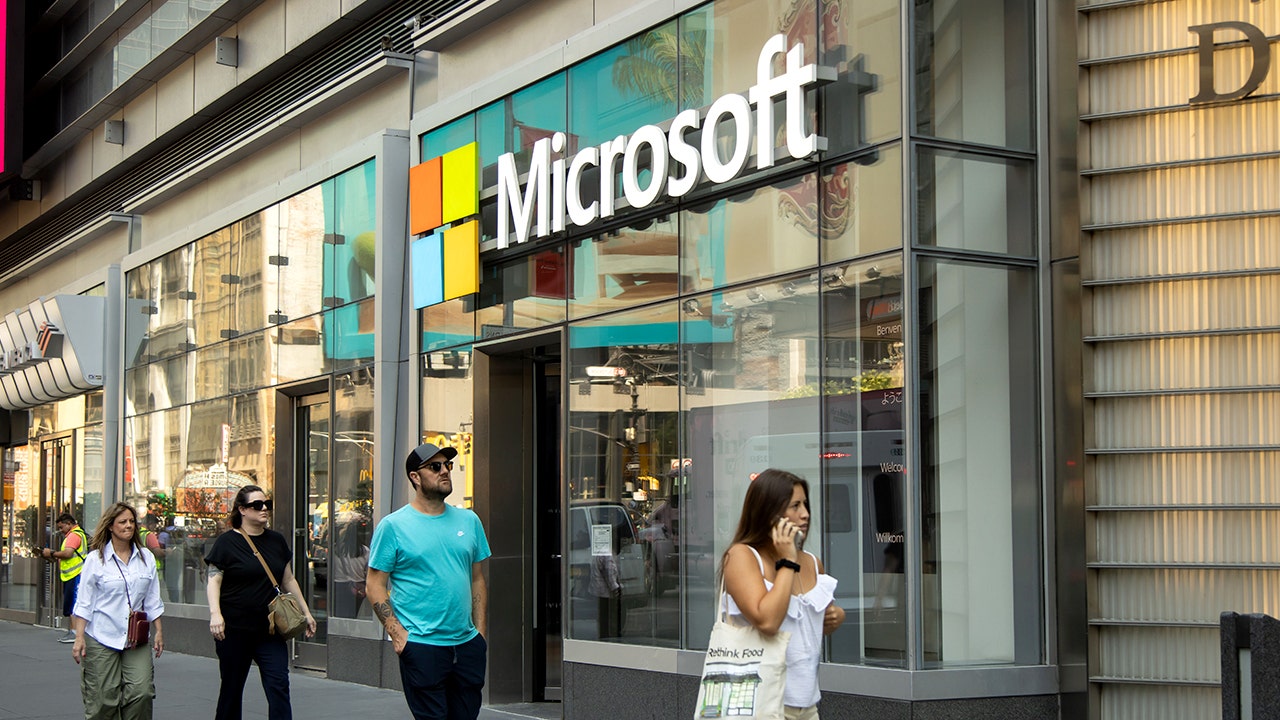
Microsoft said its account was compromised and that unauthorized posts appeared before the account was secured again. According to the company, the suspicious activity included a repost tied to a Clippy-themed crypto push and a follow-up apology that also did not come from Microsoft. With more than 13 million followers watching, the reach of a post like that can be massive.
The scary part is how normal the setup can look. If a random account suddenly posts about a new token, many people keep scrolling, but if Microsoft appears to echo that same message, the idea starts to feel real. That is how trust gets weaponized.
This kind of stunt is not new, and it is not limited to one company. Microsoft India’s X account was hijacked in 2024 and used to promote a fake GameStop-related crypto presale, while other verified accounts have also been abused to spread malware and shady promotions. Once attackers get in, the account history itself becomes part of the trick.
The SEC case was another wake-up call because it showed how a single false post can move markets. In January 2024, attackers took over the agency’s official X account and falsely announced approval of spot Bitcoin ETFs, sending prices jumping before the claim was corrected. By the time the dust settled, the damage had already been done.
That is why a verification badge should be treated as a clue, not a guarantee. It can tell you the account belongs to the right person or organization, but it cannot tell you whether that account is still in the right hands at that exact moment. Hackers do not need to fake the profile if they can steal the profile.
The playbook behind these takeovers is usually ugly but effective. Phishing, stolen passwords, SIM swapping, and other account access tricks can all help criminals break in and post as if they belong there. Once inside, they can push links, fake offers, and wallet-draining scams with a level of credibility a fresh account could never match.
A good rule is simple: if a post is truly important, it should show up somewhere else too. A company website, official newsroom, or another verified channel should confirm it before anyone acts on it. If the only proof lives in one social post, that is a reason to slow down, not speed up.
It also helps to get suspicious any time an account suddenly changes personality. A software company talking like a crypto promoter should raise eyebrows right away. Sudden pivots, hype-filled language, and urgent deadlines are classic signs that something is trying too hard to grab your attention.
Crypto links deserve extra caution because the damage can happen fast and quietly. A wallet connection can give away permissions you never meant to hand over, and a bad approval can be enough for an attacker to drain funds. Never trust a post simply because it came from an account that looks official.
Security software can help catch some of the rough edges, but it is not a magic shield. A strong antivirus tool may warn about malicious pages or downloads, while a password manager and authenticator app can make your own accounts harder to hijack. Even then, the smartest defense is still a habit of slowing down before clicking.
If a suspicious post already pulled you in, the response depends on how far things went. A clicked link may only require closing the page and scanning the device, while a password entry means changing it fast and protecting any other account that reused it. If a wallet got connected, approvals should be reviewed immediately, and if a recovery phrase was exposed, the wallet should be treated as burned.
There is a reason these scams keep working: people are used to trusting familiar names. That instinct is natural, but it needs a reality check every time the post is about money, access, or urgency. The badge may be real, the logo may be real, and the threat can still be sitting right there behind the post.
