
• Haley Stevens catches heat for stopping short of a full endorsement
• Progressives blast her on X after a televised appearance
• The dispute exposes deep Democratic friction in Michigan
• El-Sayed’s narrow primary win still shapes the fight
• Party insiders and activists split over loyalty and optics
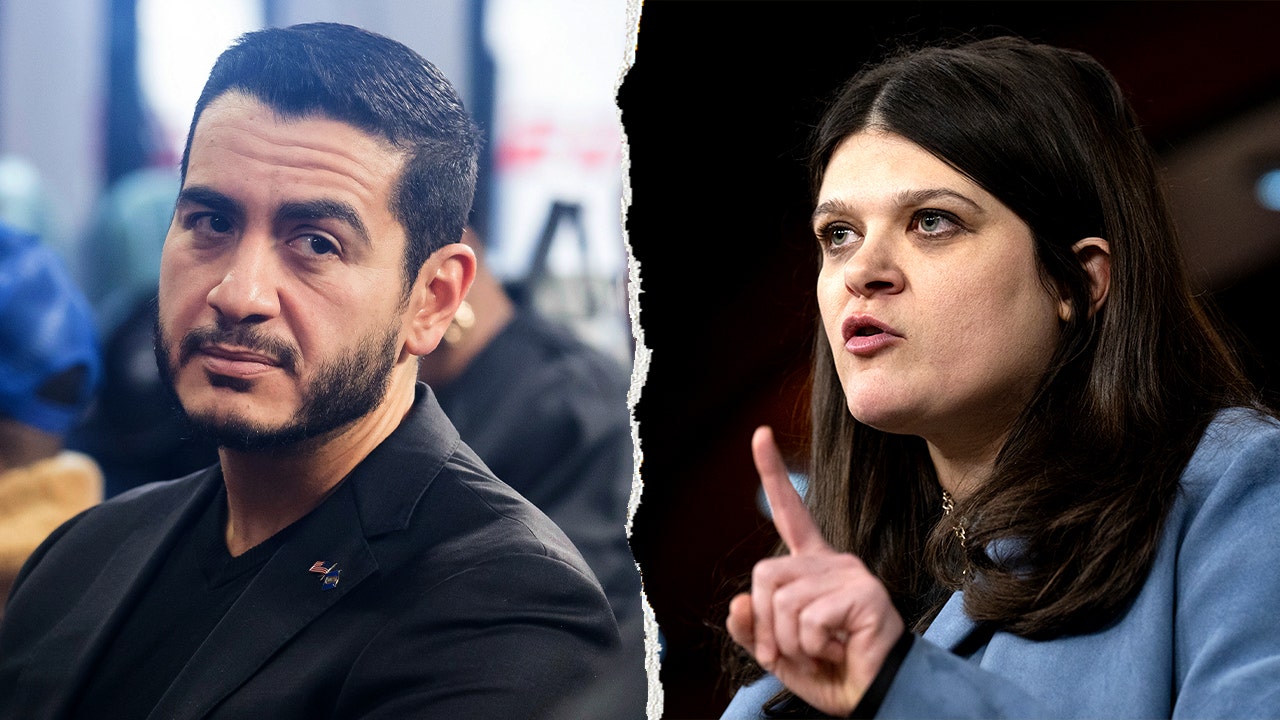
Haley Stevens is finding out that half-answers can set off a political firestorm fast. After a Sunday TV appearance where she backed Michigan Democrats in general but did not plainly name Abdul El-Sayed, the former Senate candidate drew a wave of public scolding from the left.
Stevens told CNN’s “State of the Union” that she was with the Democratic ticket, but she avoided giving El-Sayed the kind of full-throated nod progressives wanted. “Look, I’m on the Democratic ticket. I can’t say that I agree with everything that’s gone on,” Stevens answered. “I’m looking to be on the team to support my next governor, Jocelyn Benson, and frankly, these great Democrats who are working their tails off, who are going to make Hakeem Jeffries the first Black Speaker of the House.”
That was enough to light up social media. The criticism came quickly, and it came from people who clearly think party unity should mean something more than general goodwill and careful wording.
“Ridiculous. For all the folks still pretending El-Sayed’s race is the same as [Roy Cooper’s] or [Mary Peltola’s], do they have former Dem rivals refusing to fully endorse them on national TV? ‘Blue no matter who’ was a hypocritical centrist lie and this hypocrisy may hurt Dems in 2028,” Mehdi Hasan wrote on X, referring to Democrat Senate races in North Carolina and Alaska.
Leah Greenberg, who leads the progressive activist group Indivisible, went even harder. “It is late October and people are voting every day, if you cannot give a full-throated endorsement to the Democratic nominee who could be the key vote in flipping the Senate, then stay the f— off television,” she wrote.
The tone of the backlash showed how personal and bitter these intraparty fights can get. Some critics treated Stevens’ comments like a betrayal, not just a messy interview, and the language reflected that sharp edge.
Former congressional candidate Kyle Blomquist accused Stevens of “practically fawning over Mike Rogers” and said “her only real ideological commitment is to zionism.”
Progressive commentator Emma Vigeland piled on as well, writing on X, “There are financial and institutional incentives to remain on the side of genocide. Stevens is sabotaging El-Sayed on national TV, one week before the midterm, to protect her pocketbook and career over democracy.”
Not every Democrat rushed to join the pile-on, though. A few more establishment-minded voices argued that the outrage was missing the bigger point, especially when it comes to candidate quality and political appeal.
Strategist Lis Smith responded to Hasan, “People—Democrats, Republicans, Independents—clamoring to support the Peltolas and Coopers is actually a validation of their candidate quality! It’s good to have candidates people want to associate with and that should be a factor when assessing candidate quality!”
The tension makes more sense when the primary result is laid out. El-Sayed edged Stevens by just 1% in Michigan’s Democratic Senate race earlier this year, after Mallory McMorrow dropped out of the contest.
El-Sayed finished with 48.5% of the vote, while Stevens pulled 47.5% and McMorrow got 4%. Stevens had been the establishment favorite, with backing from figures like Senate Minority Leader Chuck Schumer, while El-Sayed drew support from “Squad” Democrats such as Reps. Rashida Tlaib and Alexandria Ocasio-Cortez.
That split still hangs over the race, and it helps explain why every word now gets treated like a signal. When a former rival speaks on cable and sounds anything less than ecstatic, the reaction is instant, loud, and usually ugly.
Stevens has not publicly leaned into the clash, and the pressure keeps building as the campaign season moves forward. With Michigan still a battlefield and Democrats desperate to hold together a shaky coalition, even a few cautious phrases can turn into a full-blown test of loyalty.
