
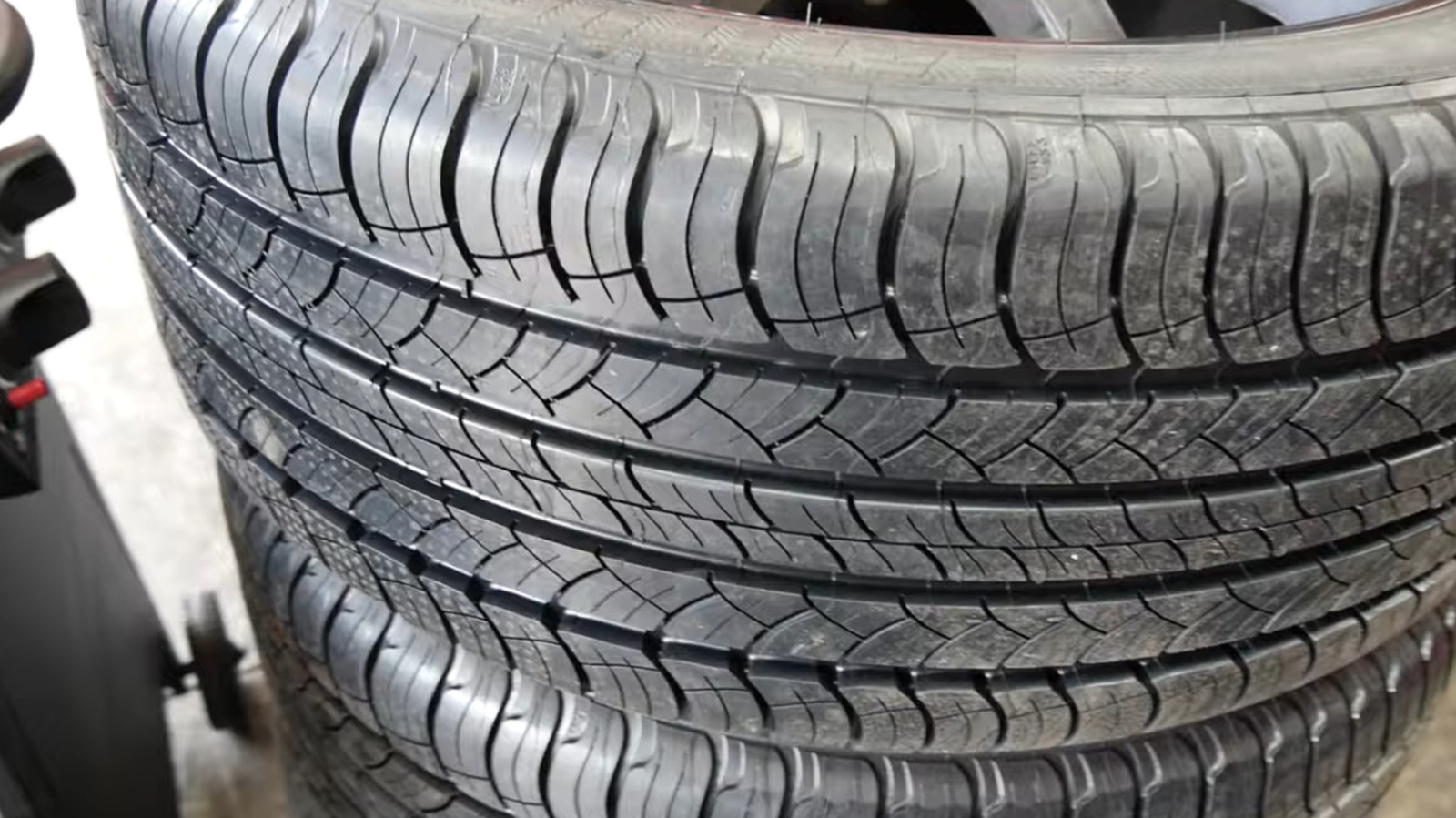
This piece digs into how long Michelin Latitude Tour HP tires last in the real world, mixes in what the warranty actually covers, and offers practical tips to squeeze more miles out of them. You’ll get clear reasons why owners see different results, what the fine print asks of you, and everyday maintenance that makes a difference. No fluff, just useful reality checks for anyone deciding whether these tires are worth the price.
Michelin markets the Latitude Tour HP as a long-lasting, highway-focused tire built for crossovers and SUVs, and reviewers often praise its comfort and quiet ride. Marketing gloss tends to emphasize ideal-case mileage and balanced performance, which sets an expectation that may not match every owner’s experience. Real-world life is more complicated than the brochure and depends on how and where the tire is used.
User feedback shows wide variation in actual mileage, with many owners reporting solid life and others replacing sooner than they expected. Some drivers hit the higher end of lifespan thanks to steady highway commuting and careful maintenance, while urban drivers dealing with lots of stops, curbs, and rough pavement see faster wear. That spread is normal: similar tires will always perform differently across regions and driving habits.
Several controllable factors strongly affect how long these tires last. Regular rotation, correct inflation, and proper wheel alignment cut down uneven wear and extend useful tread life, so routine maintenance is not optional if you want the most miles possible. Load, speed, and driving style also matter — frequent heavy loads or aggressive acceleration will eat through tread quicker than conservative driving.
Road and climate conditions are just as influential as maintenance. Rough, potholed streets and gravel roads abrade rubber faster than smooth interstate miles, and hot climates speed up tread breakdown through heat-related stress. Winters with road salt or frequent freeze-thaw cycles can also change wear patterns, so mileage that seems great in one region might be average or poor in another.
The warranty can be helpful but read it closely before assuming full coverage. Tire-makers typically require proof of routine maintenance like rotations at specified intervals and reserve the right to prorate replacements based on remaining tread depth. Damage from road hazards, improper mounting, or misuse is usually excluded, and many warranties have a time limit in addition to any mileage terms.
From an ownership-cost standpoint, a longer-lasting tire can justify a higher sticker price by spreading cost over more miles. That flips when a tire is driven into premature wear; then the savings vanish and replacement timing becomes the key factor. Thinking in terms of cost per mile makes it easier to compare tires, but be realistic about likely mileage given your roads and driving habits.
Knowing when to replace tires is part inspection and part habit. Watch tread depth with a gauge or the built-in wear indicators, inspect sidewalls for cuts or bulges, and pay attention to vibration or pulling that could signal uneven wear or alignment issues. Age is also a factor — rubber degrades over time, so a tire that looks OK but is several years old should be checked by a pro.
To squeeze as much life as possible from the Michelin Latitude Tour HP, keep pressures at the vehicle maker’s recommended levels, rotate tires every 5,000 to 8,000 miles or as the manual suggests, and fix alignment or suspension problems promptly. Regular visual inspections and quick repairs for small issues prevent them from becoming reasons to replace a tire early. Those simple habits are what turn a good tire on paper into a dependable, long-lasting set on the road.
