
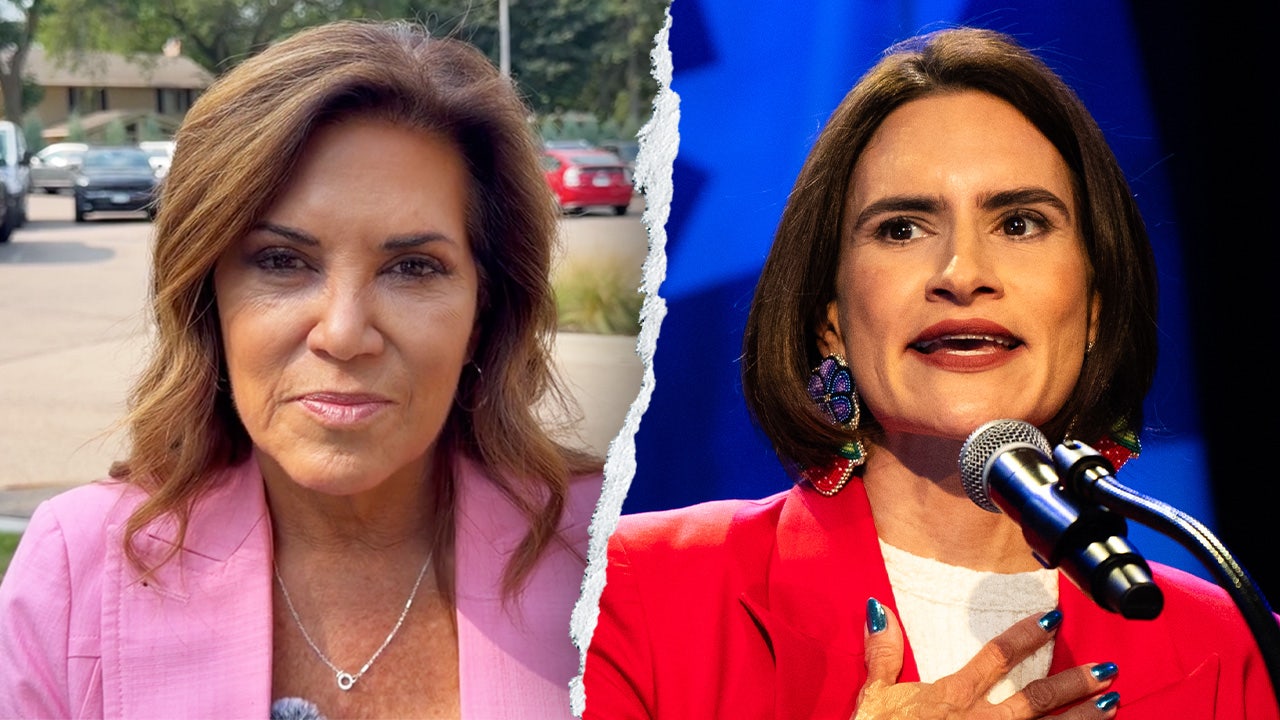
Minnesota’s Senate race has turned into a referendum on something bigger than party labels. Fraud scandals, public safety fears, and a restless electorate have turned Michele Tafoya from a political newcomer into a serious threat to the Democratic machine. Peggy Flanagan’s record is suddenly under a harsh spotlight, and the pressure keeps building with every passing day.
The turning point came in a debate moment that hit hard and landed even harder. Tafoya’s jab, “This historic fraud happened under her watch, and suddenly, she’s looking out for Medicaid and SNAP? Sell it to someone else, Peggy,” cut straight to the core of Flanagan’s problem. It framed the race around trust, accountability, and whether voters are ready to reward someone tied to a failed administration.
That fraud story is not some side issue. A federal prosecutor has estimated the losses at as much as $9 billion, a staggering figure in a state with fewer than 6 million people and a budget of around $67 billion. When a scandal reaches that scale, it stops being an abstract number and starts feeling like a sign that nobody was really in charge.
The damage has spread far beyond spreadsheets and audits. Tim Walz’s political standing took a hit as the fraud story grew, and Flanagan inherited the fallout as his lieutenant governor. Now she is fighting to separate herself from a mess that voters are increasingly unwilling to excuse.
Public safety is adding another layer of anger. A recent shootout at an Eden Prairie high school homecoming game rattled suburban families and made it impossible to pretend the problem is confined to one neighborhood or one city. Two young people were wounded, the game was canceled, and the image of chaos at a school event traveled fast across Minnesota.
That episode fed a broader unease about violent crime and the politics around it. Tafoya has used that anxiety to her advantage, pressing the case that the state has drifted too far from common sense. Her message is blunt and easy to understand: if the people running Minnesota could not protect the system from fraud or keep communities safe, why should they be rewarded with higher office?
What makes Tafoya dangerous to Democrats is not just the attacks she is making. She also brings the kind of on-camera polish that most first-time candidates never come close to having. Years in television have trained her to speak fast, stay calm, and land a line that sticks in voters’ minds long after the cameras shut off.
Flanagan, meanwhile, is carrying her own baggage into the final stretch. Her politics line up comfortably with the more activist wing of her party, and that does not sit well with many Minnesota voters who want fewer slogans and more competence. Her repeated use of the word “genocide” to describe Israel’s war against Hamas has only sharpened the contrast between the two candidates.
Polls suggest the race is still tight, but close does not mean safe for either side. Minnesota has a habit of surprising people when frustration boils over, especially when voters sense that the political class has grown detached from their daily lives. If enough of them decide the state has been steered into a ditch, a candidate like Tafoya can ride that mood far further than expected.
Tafoya’s momentum comes from the simplest political formula in the book. She is telling voters that they deserve leadership that takes fraud seriously, treats public safety like a real priority, and stops acting like every disaster can be explained away by process and excuses. In a year when trust is thin and patience is thinner, that kind of message has real bite.
