
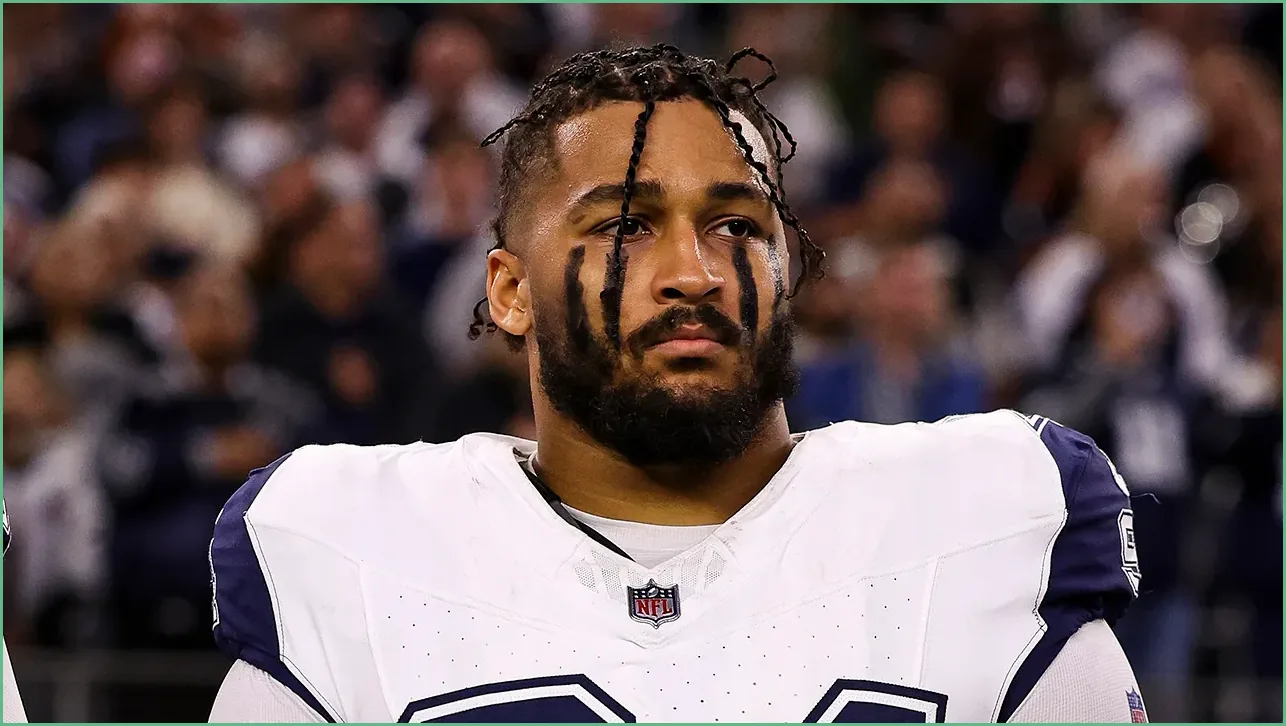
Officials have confirmed that Dallas Cowboys defensive end Marshawn Kneeland died from a self-inflicted gunshot wound following a police chase in Texas, and this article lays out the timeline, facts from the investigation, reactions from the team and community, and the broader questions that arise about pursuit practices and mental health support for athletes.
The incident unfolded after a traffic stop escalated into a vehicle pursuit that ended in a confrontation with law enforcement officers. Authorities say the final act was a self-inflicted gunshot wound; investigators are working to piece together the moments leading up to that point. Early reports emphasize the need to carefully review all available footage and witness statements.
Local law enforcement provided an initial account that the chase took place on public roads in the region, with officers attempting to stop a vehicle believed to be connected to a separate incident. The chase, which drew emergency responders to the scene, concluded within a short window of time. Investigators are now reconstructing the sequence and verifying radio and dashcam records.
An official autopsy later determined the cause of death to be a self-inflicted gunshot wound, a finding that shifts the focus from the dynamics of the pursuit to the subject’s state of mind in the final moments. Medical examiners are standardizing reports to ensure clarity around timing and physical evidence. Those results inform both criminal and administrative inquiries that often follow these cases.
The Dallas Cowboys organization acknowledged the loss and expressed sorrow while promising cooperation with investigators, though details of any internal response have been kept private. Teammates and coaches reacted with shock, and some players shared memories and moments they had with him. The team emphasized support for players and staff affected by the sudden news.
Community members and fans gathered in small memorials and online tributes, reflecting on the brief, bright connection he had with the city and the sport. Social media showed an outpouring of emotion that underscored how public figures can touch lives beyond the field. At the same time, public commentary raised questions about how similar incidents are handled by authorities.
Police pursuit policies are under renewed scrutiny because of the potential for escalation and unintended consequences during chases. Departments often have detailed protocols that dictate when to continue or terminate pursuits based on safety and risk factors. The outcome in this case will likely prompt agencies to reexamine those rules and the training that supports critical decision-making.
Experts in use-of-force and crisis intervention note that each incident requires careful forensic reconstruction and policy review before definitive conclusions can be drawn. Independent oversight and transparent release of body camera and dashcam footage can build public trust. Legal analysts expect civil and administrative reviews to proceed in parallel with any criminal inquiry.
Mental health questions are central here, given the conclusion of a self-inflicted wound, and they highlight gaps in support systems for athletes who may be struggling privately. The high-pressure world of professional sports often masks personal turmoil, and organizations are being urged to strengthen access to counseling and crisis resources. Teams increasingly face pressure to provide proactive mental health services as part of player welfare programs.
Family members and representatives have been requested to cooperate with investigators, and privacy concerns remain paramount as details move through official channels. Sensitive medical information and personal records may only be released with consent or through court processes. Support networks around the family have asked for space as they navigate this painful time.
Legal follow-up could include administrative reviews of the officers involved, civil inquiries related to law enforcement conduct, and internal team assessments about welfare practices. Each track will follow a different timetable and standard of proof, making the overall picture complex and drawn out. Observers should expect phased disclosures as evidence is processed and reviewed.
This case is already shaping conversation about how moments of crisis are managed on the road and in public, and how institutions respond to sudden tragedies involving athletes. Calls for clarity, transparency, and improved mental health care are growing louder across sports and civic communities. Investigators continue to gather material, and more details will emerge as official reviews proceed.

1 Comment
MY one question about this chase is, what was the reason for the chase?, as this article gave no reason for the chase.