
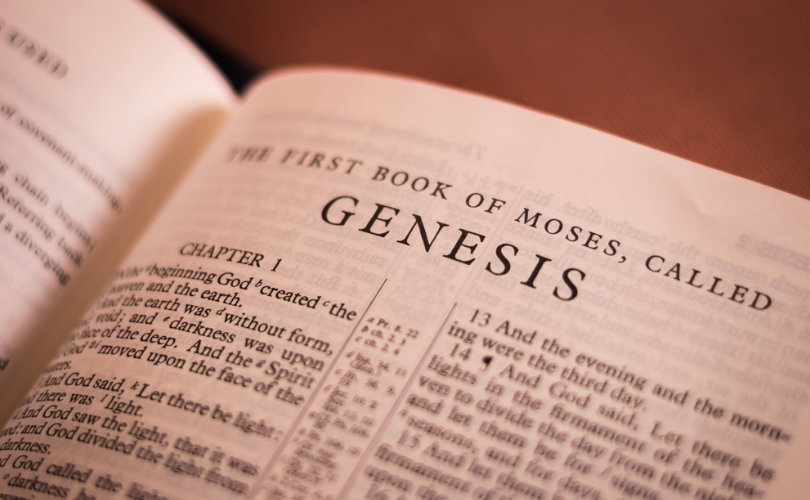
L’Osservatore Romano ran an essay by theologian Marinella Perroni that stirred debate by arguing the Book of Genesis does not contain a literal devil or an account of original sin, and that long-standing readings of those texts sometimes collapse into social or sexual interpretations. The piece challenges readers to reconsider how ancient stories were shaped and how later theological frameworks have been superimposed on them. This article walks through what Perroni claimed, why it matters, and the kinds of responses such a claim tends to provoke within Catholic and wider Christian circles.
Perroni frames her reading of Genesis as a close look at narrative, language, and the kinds of questions the original authors were trying to answer. Her case points to the text as concerned more with human relationships, responsibility, and the puzzling consequences of choices than with a cosmic tempter figure. That shifts the emphasis away from a single villain and toward a broader exploration of human freedom and consequence.
One striking line in her piece is that tradition exegesis ‘is reduced to sex.’ Those words crystallize a larger critique: certain long-standing interpretive habits oversimplify Genesis by funneling its complex images into modern anxieties. Perroni suggests that sexual themes and control of bodies have sometimes become the lens through which the entire early biblical drama is viewed, rather than one dimension among many.
The publication of this argument in a Vatican newspaper elevates the conversation, because the platform invites both clergy and lay readers to engage. Some will see that as healthy theological reflection, a reminder that scriptural interpretation has always evolved. Others will worry about destabilizing core doctrines or confusing faithful people who depend on stable teachings about sin and salvation.
Theological pushback tends to follow predictable lines. Defenders of classical readings argue that the devil and original sin are central to Christian anthropology and soteriology, providing the backdrop for Christ’s redemptive work. They stress continuity with tradition, pointing to centuries of patristic and magisterial reflection that treat those themes as doctrinal building blocks rather than optional extras.
Supporters of Perroni’s approach emphasize historical-critical tools and literary sensitivity, arguing those methods help readers recover what the original texts likely meant to their first audiences. They say modern theology benefits from acknowledging the biblical texts’ complexity, including how myth, metaphor, and cultural context shape meaning. For them, revisiting assumptions can renew pastoral practice and scriptural engagement.
Practically speaking, this debate has real consequences for preaching, catechesis, and pastoral care. If Genesis is read primarily as narrative exploring human agency, sermons might foreground responsibility, reconciliation, and community repair. If the focus remains on inherited sin and demonic influence, pastoral language will lean more heavily on forgiveness through sacramental and doctrinal channels. Each emphasis shapes how people understand their own struggles and the means of spiritual healing.
Whatever side one takes, the exchange highlights an enduring fact: Scripture rarely yields a single, neat meaning. Conversations like the one Perroni provoked force communities to ask which interpretive tools are most faithful and most helpful. Those debates are messy and passionate because they touch on identity, authority, and how a living faith grapples with ancient texts.
