
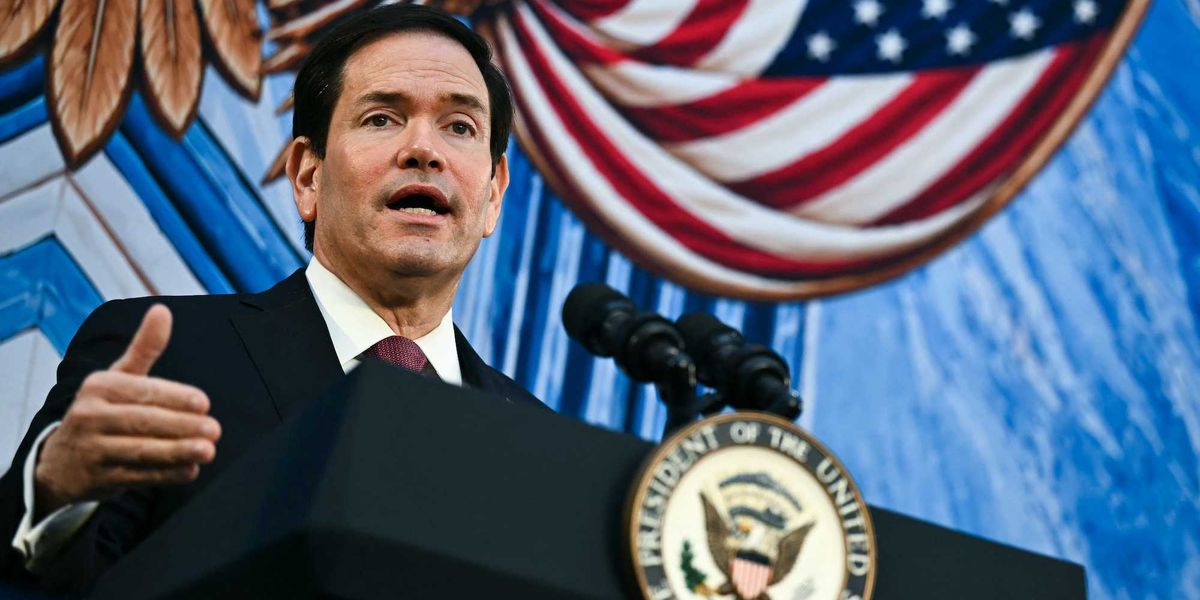
Marco Rubio is warning that a long-ago choice in Washington helped set the stage for a lot of today’s economic pain. His criticism lands on the kind of thinking that treated cheap imports and global supply chains like a magic trick, even as American factories, wages, and leverage slowly took the hit.
Rubio’s argument is blunt: policymakers pushed a system that looked efficient on paper but turned out to be fragile in the real world. Once that reality showed up, the weakness was impossible to ignore, especially when the country needed reliable domestic production instead of distant promises.
He framed the issue as more than just a trade debate. At the center of it is a bigger question about whether the United States wants to remain dependent on other countries for the basics, or rebuild the industrial base that once gave workers and communities a steadier path forward.
For years, the dominant message in Washington was that globalization would smooth out the rough edges of commerce and make everything cheaper. But cheaper goods at the store came with tradeoffs, and those tradeoffs are now visible in hollowed-out towns, weaker manufacturing, and a national economy that often feels built on shaky ground.
Rubio’s criticism taps into a frustration that has been building across party lines for a while, though his own message leans hard into a more nationalist outlook. The core idea is simple enough: a strong country should be able to make things again, not just consume things made elsewhere.
That point resonates because manufacturing is not just about nostalgia or campaign language. It means jobs, know-how, supply chain security, and the kind of resilience that matters when the world gets messy, which it tends to do more often than policymakers like to admit.
The broader debate also exposes how disconnected elite economic theory can get from everyday life. When a policy helps balance spreadsheets but weakens the middle class, people eventually notice, and they usually do not need a professor to explain why the system feels rigged.
Rubio’s message suggests that the old assumptions about globalism are running out of room. A country cannot talk endlessly about strength while outsourcing the engines of that strength, then act surprised when the bill comes due.
There is also a political edge to this fight because manufacturing has become a symbol of something larger than production numbers. It stands for dignity, independence, and the idea that American workers should not be treated like an afterthought in the name of international efficiency.
That is why the critique of past lawmakers hits so hard. It is not just that they made a bad call, but that the consequences took years to fully surface, which made the damage easier to ignore until it was deeply embedded in the economy.
Rubio’s comments fit into a growing push for economic nationalism that is less interested in slogans and more interested in who actually benefits. The old promise was that everyone would win if trade expanded enough, but the lived reality for many communities has looked a lot more uneven.
That tension is not going away anytime soon. The fight over manufacturing, global dependence, and economic independence is now baked into the larger argument about what kind of country the United States wants to be, and the pressure to answer it keeps getting louder.
