
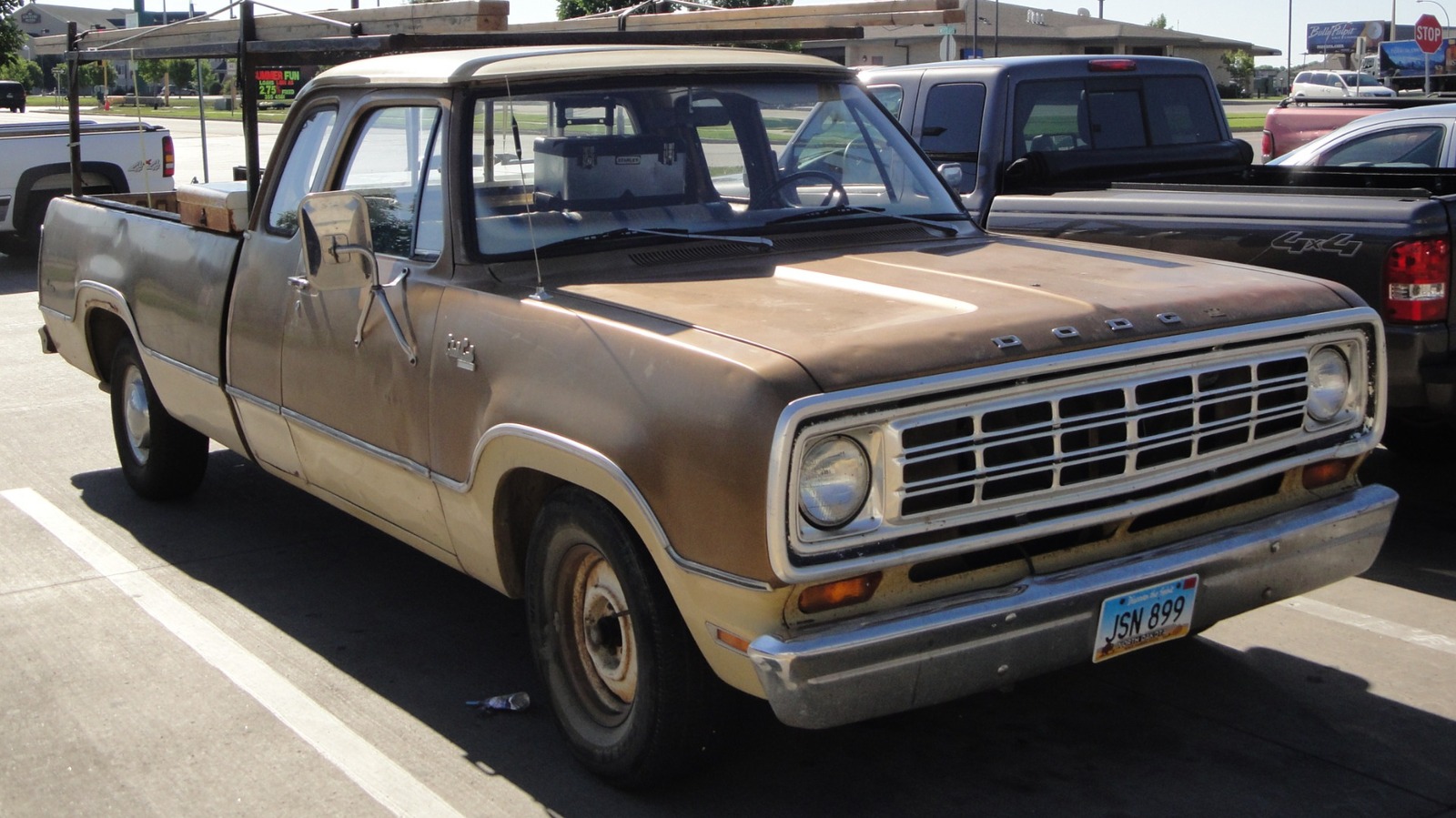
Think Ford or Chevy invented the modern passenger pickup? Discover the surprising automaker that actually built the very first extended cab truck. This piece traces how that unexpected pioneer changed the pickup game, why the design mattered, and how modern trucks still carry the DNA of that early experiment.
Back when pickups were pure work rigs, a quieter revolution happened behind the lines. A smaller, less celebrated automaker took a risk and stretched the cab to give drivers real room behind the seats, not just a toolbox. That move looked like a small styling tweak at first, but it rewired expectations about what a truck could be.
The idea was simple: people wanted the utility of a truck with some of the comfort of a car. Families were driving pickups, contractors needed a place for gear and a second passenger, and weekend users wanted versatility. Instead of waiting for the big players to catch on, this automaker built the solution and put it on the road.
Mechanically, the change was clever and straightforward. By extending the cab area without converting the whole vehicle into a full crew cab, designers preserved cargo bed length while adding interior room. That meant no compromise on hauling but a surprising gain in daily usability, and consumers noticed the tradeoff instantly.
Early customers treated the new layout like a revelation. Tradespeople could stash hard hats and jackets inside instead of a tarp, parents could handle small kids and groceries without a separate vehicle, and road trips became less of a logistical headache. The result was a subtle cultural shift: pickups were no longer strictly work tools, they were part of everyday life.
The big automakers had to respond, but that didn’t happen overnight. At first the majors watched and evaluated, then they tweaked their own models to match what the market was clearly asking for. Over a few years the extended cab concept spread through the lineup, evolving into the king cab, super cab, and other names you recognize today.
Designers kept iterating, improving access and comfort while maintaining ruggedness. Small rear seats, utility pockets, and clever folding systems arrived to make the space functional without adding unnecessary weight. Those refinements are why today’s pickups can serve families, weekend warriors, and professionals all at once without feeling like a compromise.
Beyond comfort, the extended cab altered resale values and buying behavior. Trucks with extra interior space attracted a broader buyer base and held value differently than pure work rigs. That market signal pushed fleets and retailers to consider interior options as key selling points rather than optional niceties.
For enthusiasts, the shift also unlocked creative uses: sleeping space on long hauls, mobile tool storage, and quick shelter during bad weather. For designers, it became a playground to blend utility and lifestyle in ways that changed advertising, showroom pitches, and engineering priorities. The pickup evolved into a more flexible platform because one automaker was willing to rethink a basic assumption.
Today the extended cab is so commonplace that it’s easy to forget it was once a bold experiment. Modern pickups still carry the same core compromise that made the original work so well: more cabin without losing bed utility. That balance is part of the pickup’s identity now, and it traces back to that surprising early mover who saw trucks as more than just tools.
