
“`html
• ICE officers operating in Los Angeles face harassment and intimidation
• Sanctuary policies complicate arrests and custody transfers
• Local police cooperation is limited during enforcement operations
• Officers say public safety is being put at risk
• Arrests included people with violent records and prior removal orders
• Anti-ICE agitation adds pressure on the ground
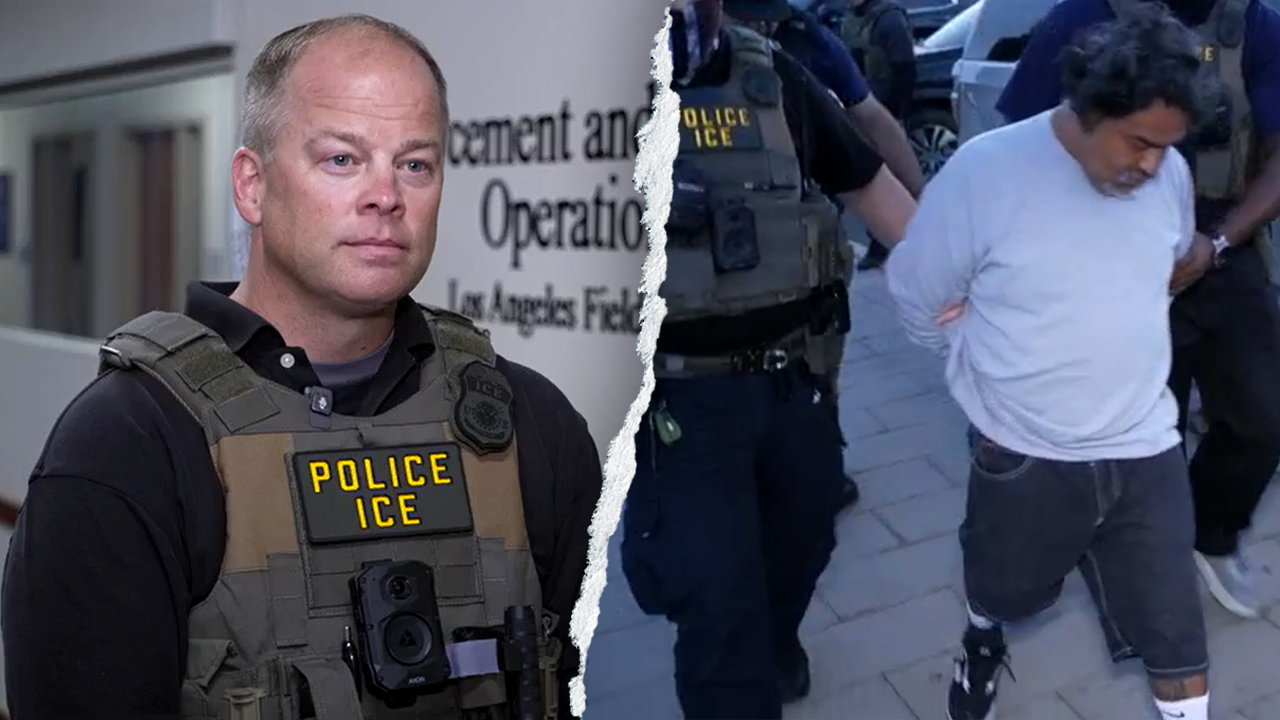
EXCLUSIVE: In Los Angeles, immigration enforcement has become a high-stakes grind, with ICE officers dealing with more than just the people they’re trying to arrest. According to Thomas Giles, the challenges now include being followed home, harassed online and in person, and operating in an atmosphere where local cooperation can be thin or nonexistent. The result is a job that gets harder, more public, and a lot more dangerous.
Giles said sanctuary policies change everything about how agents work in the field. Instead of handling custody in a controlled setting, officers are pushed out into neighborhoods, parking lots, and roadways where the risk jumps fast for everyone involved. That, he said, does not stop the mission, but it absolutely changes the level of exposure.
During an early morning operation, Fox News Digital watched ICE officers make multiple arrests in the Los Angeles area. Among those taken into custody were people with serious criminal histories, including one convicted of assault with a baseball bat and another with multiple illegal re-entries into the country. The scene underscored the agency’s argument that these are not abstract policy fights, but real enforcement decisions with immediate consequences.
One of the biggest problems, Giles explained, comes from limits tied to California litigation and sanctuary rules. ICE officers are blocked from knocking on a target’s door or even stepping onto the property area in some cases, which forces them to wait for a suspect to move into public view. That can turn a planned arrest into a spontaneous confrontation on the street or during a vehicle stop.
Giles said the old system was simpler and safer. He described a time when officers could pick up large numbers of people at local jails and process them without having to chase them across the community. Now, he said, local police cannot even work with ICE in the same way, and that creates what he views as a serious public safety gap.
He pointed to one example involving 20-year-old Honduran national Julio Alberto Aroca-Rodriguez, who had been arrested by local police the week before on an assault charge involving a baseball bat. He had already been under a removal order since 2019, but local authorities declined ICE’s request to hold him and released him anyway. When officers later found him, they also detained four other people identified as illegal immigrants.
That arrest did not happen in a vacuum. After the detentions, anti-ICE agitators began gathering, and officers quickly moved the operation to avoid a crowd flare-up. Giles said this kind of reaction has become part of the job, and it adds another layer of tension for officers who are already working in a politically charged environment.
The criticism, in his view, is not just loud. It is personal. Giles said some officers have been followed home, targeted on social media, and confronted face-to-face by people looking to shame or intimidate them. He also mocked the double standard he sees from protesters who object to officers wearing masks while covering their own faces at demonstrations.
Still, Giles did not sound shaken about the work itself. He described ICE officers as people who love the country, understand the Constitution, and take pride in enforcing the law even when the public mood is hostile. His message was plain enough: the pressure is real, but so is the commitment to keep going.
That point came through again as officers processed Aroca-Rodriguez and prepared him for removal to Honduras. Five other illegal immigrants were also processed during the operation, a reminder that these stops can stack up quickly once enforcement is underway. In a city as large and tense as Los Angeles, each arrest lands like a fresh spark in a field already full of dry grass.
