
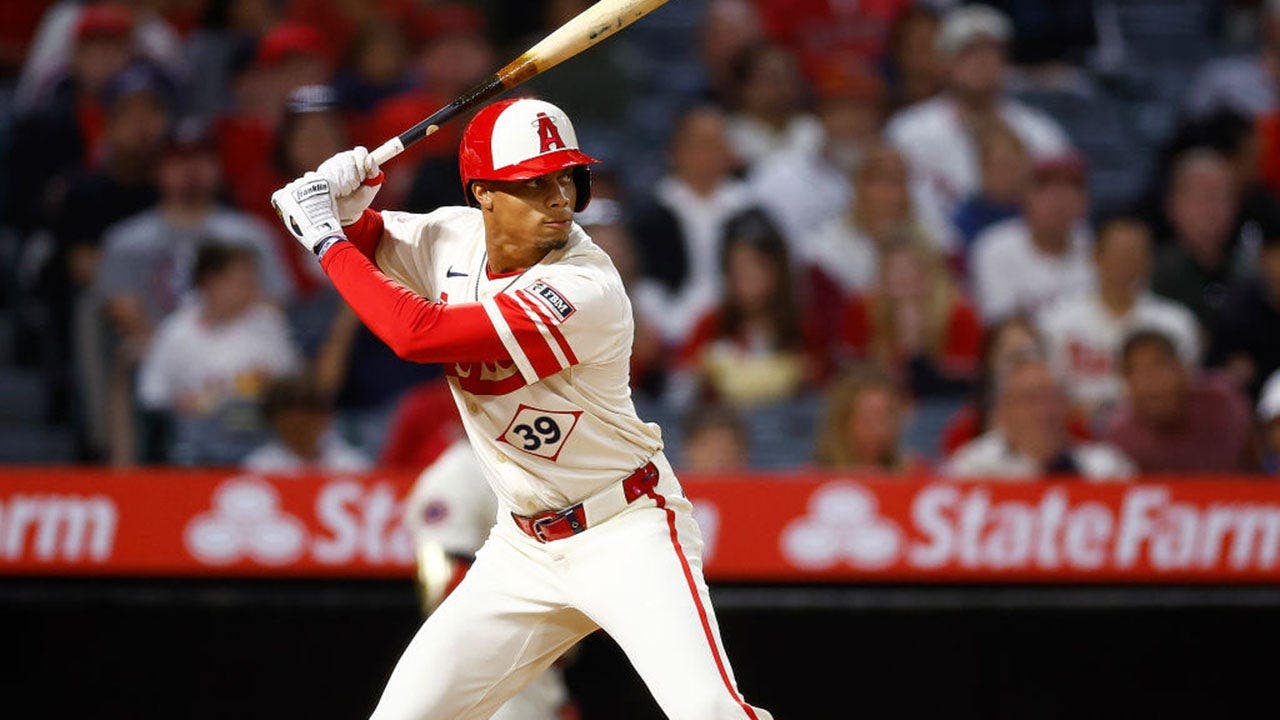
Jordyn Adams, the former Los Angeles Angels outfielder, is making a notable switch: at 24 years old he is headed to SMU to play wide receiver, embarking on college football for the first time. This is a clear career pivot from professional baseball to college gridiron, an unusual but intriguing move for an athlete with pro experience. It raises immediate questions about adaptation, opportunity, and how skills built in one sport can transfer to another at a competitive level.
The change will turn heads because it is not every day a pro baseball player opts into college football in his midtwenties. Age aside, Adams brings a body of pro training and a competitive mindset that most college recruits have not yet faced. That kind of experience can translate into poise under pressure, a strong work ethic, and an accelerated learning curve in practice and game prep.
On the field, some abilities should move across sports smoothly. Tracking a fly ball in the outfield requires timing, spatial awareness, and hand coordination—all useful when tracking a thrown ball downfield. Speed and burst off the line are fundamental for both outfielders and receivers, so the athletic foundation Adams built in baseball gives him a practical head start on route running and separation techniques.
Still, the technical side of wide receiver work is deep and specific. Learning how to run crisp routes, adjust to defensive coverages, and absorb contact on contested catches are all new habits to develop. Blocking in the trenches and mastering footwork in a crowded, contact-heavy environment are different from anything faced in baseball, and those new demands will be a real test of adaptability.
SMU represents a platform where Adams can learn those position-specific skills while competing against strong opposition. The program will expect him to pick up a playbook, buy into a scheme, and show steady improvement on the practice field. For an athlete switching sports, the quality of coaching and the support system around him will be as crucial as raw athletic gifts.
Beyond technique, there are practical considerations. Balancing academic responsibilities with the time demands of a major college sport is a shift from a professional routine. And while eligibility details can be complicated, the point here is that Adams is stepping into a structure built to develop players, not just showcase them, and that developmental environment will shape his progress.
At 24, Adams also brings a maturity that can change the tenor of a locker room. Younger teammates may benefit from his professional habits, his perspective on training and recovery, and his ability to handle scrutiny. Veterans often set the tone for preparation and accountability, and his presence could become an intangible asset for the team.
What to watch once he takes the field is straightforward: how quickly he syncs with quarterbacks, how reliable he is on contested catches, and whether he can contribute on special teams while he sharpens receiver fundamentals. Early snaps in practice and preseason contests will offer the clearest glimpse of how the transition is shaping up. If he adapts fast, the narrative will shift from surprise move to calculated career reinvention.
This decision is bold, period. Switching sports at a competitive level after a professional stint is not common, but when it works it redefines an athlete’s timeline and potential. Adams is stepping into a new identity where patience, coaching, and daily grind will decide how far this experiment can go.
