
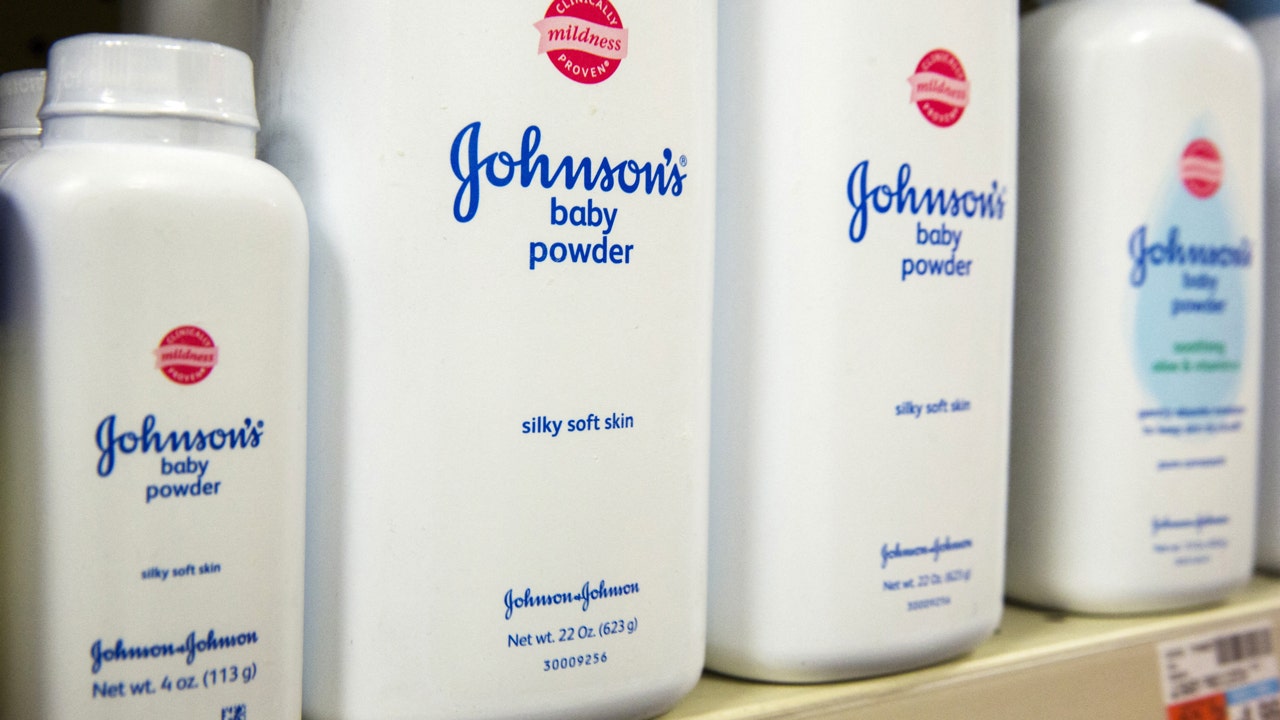
Johnson & Johnson has struck a massive settlement that could close out years of talc litigation, putting a $5.5 billion price tag on thousands of ovarian cancer claims. The deal is designed to move a huge pile of lawsuits toward the finish line, but it still needs near-total backing from claimants before it becomes final.
The agreement is aimed at roughly 76,000 claims, including cases in federal court in New Jersey and related state court matters. For J&J, it marks one of the biggest attempts yet to draw a hard line under a fight that has shadowed the company for years and kept the controversy alive in court after court.
That legal battle has already produced other settlements, especially in claims tied to mesothelioma allegations. This latest deal focuses on ovarian cancer cases, which have remained the biggest unresolved part of the talc fight and the most expensive piece for the company to confront.
The company is still denying that it did anything wrong. J&J says plaintiffs were never able to prove that its talc products caused cancer, and it frames the settlement as a practical way to end a long, draining dispute rather than an admission of guilt.
Erik Haas, the company’s worldwide vice president of litigation, said the move gives J&J a chance to move on from the courtroom grind and stay focused on developing medicines and devices. The language matters here because the company has consistently portrayed itself as confident in its defense, even while writing a multibillion-dollar check to put the matter behind it.
The deal does not become official unless 95% of the ovarian cancer claimants agree to it in state or federal court. That is a high bar, and it shows how much buy-in the settlement needs before the legal gears finally stop turning.
Payments would not begin right away. J&J expects to pay out about $3 billion in 2027, with more money following in 2028, and the final cost could climb depending on how many people qualify and participate.
Attorney Chris Seeger, who represented about 2,500 clients and helped negotiate the deal, said the agreement could end up topping $7 billion because it does not set a strict cap. Instead, it assigns values to qualifying ovarian cancer claims, which leaves room for the total to rise if participation is strong.
Seeger described the deal as fair and said the clients he represents should be satisfied with it. That kind of language usually signals that the parties have reached the point where both sides would rather lock in certainty than keep betting on what happens in front of a jury.
J&J’s legal road to this point has been anything but smooth. The company has won some trials, knocked out some expert witnesses, and scored decisions that made it harder for plaintiffs to prove causation in individual cases, while also taking hits from blockbuster verdicts that kept the pressure on.
One recent federal ruling cast doubt on the ability of plaintiffs to show that talc specifically caused ovarian cancer, giving J&J another boost in the broader fight. At the same time, the company has had to live with the reality that even strong courtroom stretches do not always stop a long litigation campaign from grinding forward.
The company has also stuck to its long-running claim that its talc products were safe and asbestos-free. It stopped selling talc-based baby powder in the United States in 2020 and switched to a cornstarch version, a move that signaled how seriously it viewed the reputational and legal damage.
J&J previously tried to use bankruptcy proceedings involving subsidiaries as part of its strategy to resolve the claims, but that approach did not work out. The new settlement only covers existing cases, not future lawsuits, and that choice helps make more money available to current plaintiffs while speeding up the payout process.
That faster timetable is a big part of the pitch. Instead of stretching payments over more than a decade, the company is trying to compress the timeline and shut down a dispute that has hung over its business, its stock, and its public image for years.
