
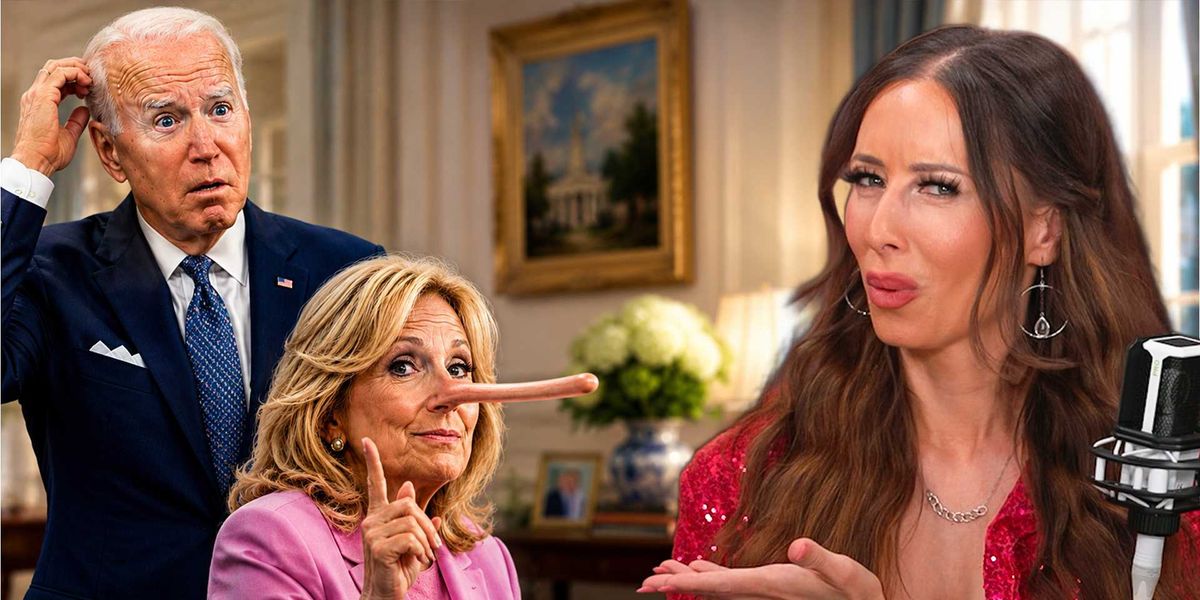
The debate night that defined a campaign still gets debated today, and this piece walks through Jill Biden’s later claim that her husband might have been having a stroke, conservative reactions calling that revisionism, and the media moments that followed. It looks at the immediate aftermath, the praise Jill offered that night, the skeptical conservative response led by Sara Gonzales, and the broader questions about transparency and competence. The goal here is to present those events and reactions plainly, from a critical, Republican-leaning perspective, without watering down the core quotes that sparked controversy.
The June 27, 2024 debate became shorthand for doubts about Joe Biden’s fitness, and many on the right treated his shaky delivery as confirmation of long-standing concerns. What made the moment combustible was not only the stumble itself but how quickly supporters moved to reframe it afterward. Jill Biden’s new line—that she feared her husband might have been having a stroke—shifted the story from a performance problem to a possible medical emergency, and that change deserves scrutiny.
Jill’s words were stark and personal: “I was frightened because I had never, ever seen Joe like that before or since. Never. … I don’t know what happened. As I watched it, I thought, ‘Oh my God, he’s having a stroke.’ And it scared me to death.” Those lines landed heavy because they contradict the onstage applause she offered immediately after the event. For conservatives, that flip looks like damage control rather than a sincere expression of alarm.
Sara Gonzales from BlazeTV called the revised explanation a rewriting of history, pointing out the mismatch between fear and behavior. If Jill truly believed her husband was suffering a stroke, the logic goes, she would have acted differently on the spot. Instead, the campaign celebrated the candidate’s performance and even staged a public outing that night, moves that undercut the later claim in the eyes of critics.
Conservatives zeroed in on the video clip of Jill effusively praising her husband: “Joe, you did such a great job! You answered every question; you knew all the facts!” That footage sits awkwardly beside her later description of terror and confusion. To many on the right, the contradiction isn’t an innocent lapse—it’s evidence that the campaign is trying to retroactively shape the narrative.
More than partisan glee fuels this skepticism; there’s a basic expectation of candor when it comes to a president’s health. If a serious medical episode occurred in public, people reasonably expect immediate medical intervention and transparent reporting. The debate between what happened that night and what we were told afterward exposes a credibility gap that the administration has not convincingly closed.
Sara’s critique went beyond the debate moment to argue there’s a pattern of decline and evasive messaging. She assembled clips gamers call receipts—moments over years that conservatives say show declining faculties—and used them to argue this was not an isolated mishap. Framing the debate episode as part of a larger pattern is meant to counter the idea that it was a one-off lapse anyone could have on a bad night.
Media reaction was uneven, with some outlets giving Jill the benefit of the doubt and others openly skeptical. Even commentators who lean center questioned why the story shifted so dramatically and why immediate alarm wasn’t evident on stage. “What kind of political system covers that up and makes it OK to lie to people about what everybody knows is true?” one critic asked, pushing the issue into broader territory about trust and political accountability.
Defenders of the Bidens argue that without definitive medical confirmation, speculation is unfair and political. But that defense struggles when private concern turns public praise within minutes, and when later explanations contradict what millions watched live. Republican critics see a pattern of obfuscation that reinforces their warnings about transparency and competence at the highest level.
The debate moment and the aftermath still matter because voters care about honesty and capability. The episode gave conservatives an opening to say the administration is more interested in managing impressions than answering tough questions about fitness for office. That perception, whether fully accurate or not, has real political consequences moving forward.
Conservative commentators like Sara Gonzales will keep pushing those contradictions into the spotlight, insisting the public deserves straight answers. This is not just theater; it’s a fight over the terms of accountability and what the American people are told about the nation’s leadership. The clips, the quotes, and the public reaction all feed into a conversation that remains very much alive.
