
- Jensen Huang’s return to Nvidia and what it signals
- The U.S. and China locked in an AI race
- Nvidia chips, market share, and global influence
- Why data centers and digital infrastructure matter
- How tech leaders fit into national security
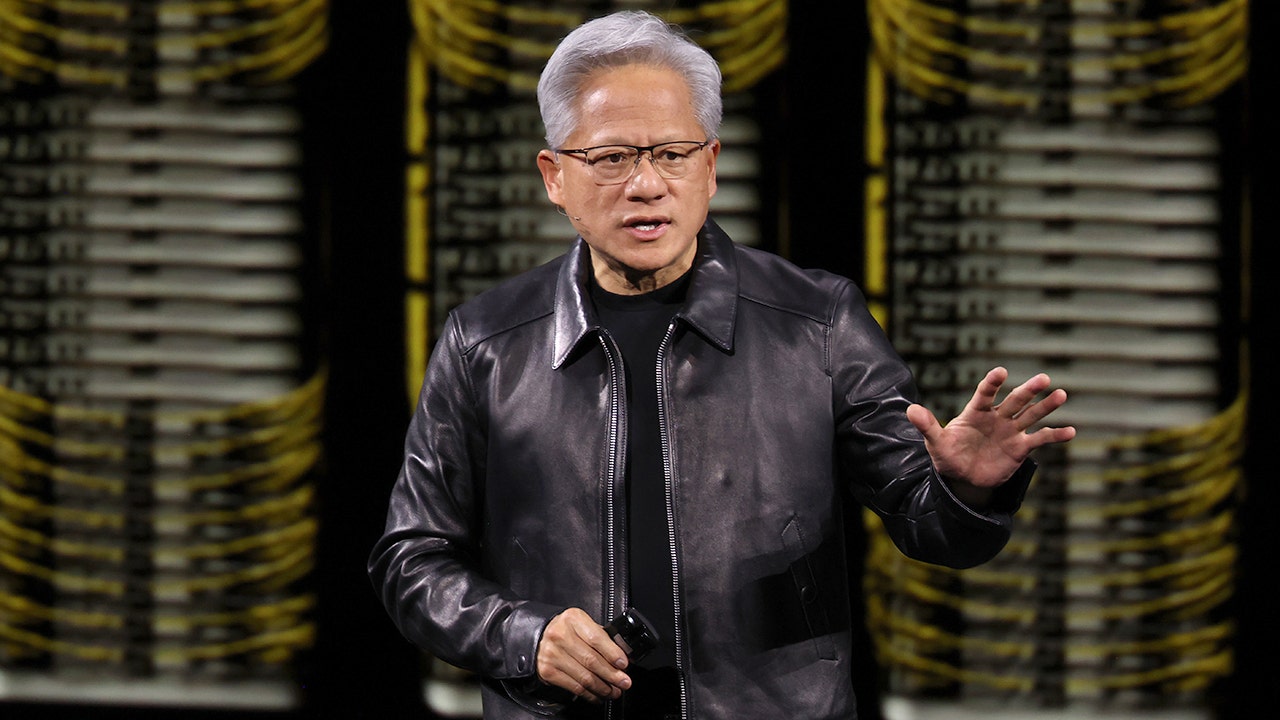
Jensen Huang’s comeback at Nvidia lands with real weight, because this is about more than one executive sliding back into a corner office. It sends a sharp message that the AI fight is still wide open and that the United States is not handing over the future without a struggle. China is pressing hard, and Nvidia sits right in the middle of the action.
Huang has long been one of the most important figures in tech, and that status comes from more than charisma or market hype. Nvidia’s chips power the most advanced AI systems, which makes the company a kind of strategic engine for American strength. When Huang returns, it signals that the race is not slowing down and that the stakes keep climbing.
China has never hidden its playbook. First come low prices, then market pressure, then the long game of crowding out rivals until dependence sets in. That tactic has already shaped industries like solar, shipbuilding, and rare earths, and nobody serious wants AI to follow the same path.
That is why Nvidia’s role matters so much. The company’s older Hopper line is one thing, but the newer Blackwell chips and the next Rubin generation sit at the leading edge of performance. These systems are not just faster, they are the tools that make the next wave of AI possible, from massive model training to advanced inference and everything in between.
China wants access, influence, and eventually leverage. The concern is not only about selling chips today, but about who owns the ecosystem tomorrow. If U.S. firms lose global share, they lose the scale that keeps research moving, factories humming, and innovation compounding.
That is where the broader tech stack comes in. AI does not live in a vacuum, and the race is not only about silicon. It also depends on cloud networks, fiber routes, data centers, and the ability to place computing power where users actually need it.
Local infrastructure is part of the story because speed matters. Data centers near end users reduce lag and improve performance, which is exactly why companies keep spreading capacity across countries and regions. The more AI expands, the more the world learns that proximity, infrastructure, and execution all shape who wins.
Huang’s return also lands in a bigger debate about American power. Tech leaders are not just business executives anymore, because their companies affect supply chains, communications, defense readiness, and the economic base that supports all of it. The people steering these firms are now playing on the front line.
That may sound dramatic, but the numbers make the point. When a company like SpaceX shapes launch capacity or Nvidia shapes the AI stack, those are not side stories. They are part of the country’s ability to compete, adapt, and hold its ground when rivals are trying to close the gap.
There is also a warning buried in all this. Building only at home is not enough if the rest of the world becomes a prize for China. America has to stay present abroad, keep its technology moving, and make sure its companies remain the standard that others want to follow.
That means exporting strength without giving away the farm. It means protecting the core while still pushing into global markets, because innovation runs on scale and competition. Huang’s return puts that reality back in plain view, and Nvidia now has a chance to keep leading while the pressure around it keeps building.
