
Biotech is moving fast, and the pressure is building just as quickly. What used to sound like science fiction now sits right at the edge of ordinary life, with fertility tech, embryo screening, and the promise of healthier children pulling families into a conversation that is both hopeful and unsettling.
That’s the real tension here: new tools can help people have children, but they also raise hard questions about choice, control, and what happens when “better” starts to mean something far more loaded than healthy. The family unit is no longer just watching from the sidelines, because these decisions are starting to shape what parenthood looks like before a child is even born.
For many couples, the appeal is obvious. Infertility is painful, expensive, and emotionally draining, and anything that offers a real shot at a child can feel like a lifeline. IVF and related technologies have already changed countless lives, and for that reason alone, the broader biotech conversation deserves serious attention instead of cheap slogans.
But the story does not stop with treatment. Once medicine moves from helping conception to selecting traits, the ground gets shaky fast, because the line between care and design can blur in a hurry. The promise of a healthier baby is easy to sell, yet the deeper implication is that some lives, some traits, and some futures may quietly be ranked above others.
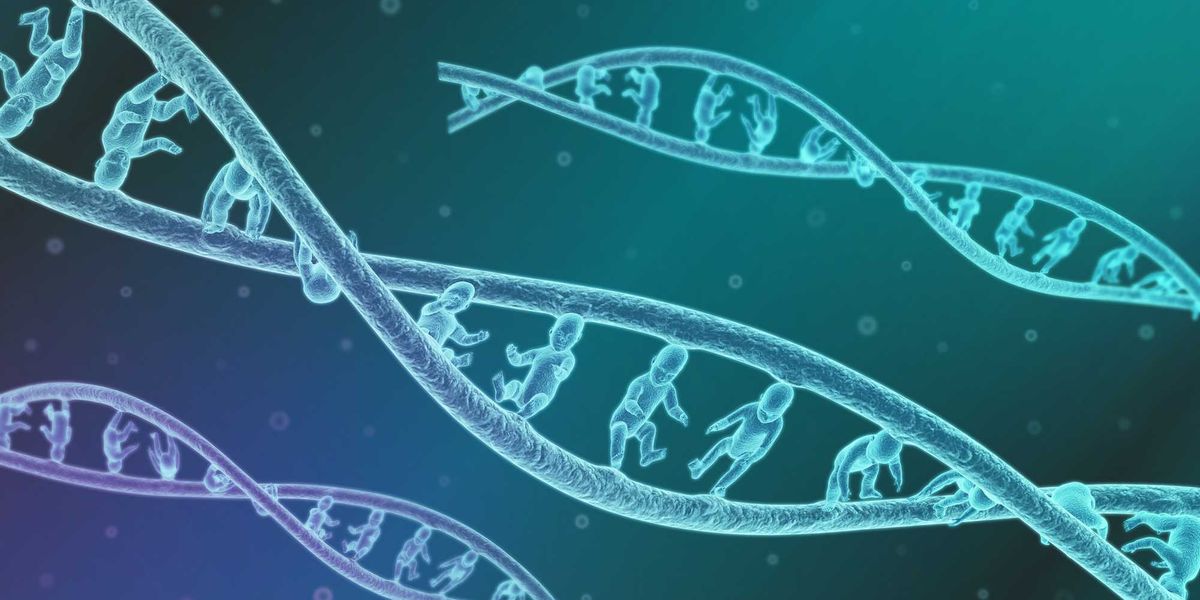
That is where the phrase “designer babies” gets its bite. It sounds flashy, maybe even futuristic, but beneath the gloss is a very old human instinct to control outcomes and eliminate uncertainty, even when the cost is moral confusion. Parents naturally want the best for their children, but a marketplace built around precision and optimization can turn that desire into pressure.
There is also the family angle, which gets overlooked when the discussion stays locked on lab results and medical outcomes. Marriage, parenthood, and trust depend on shared limits, shared responsibility, and a basic sense that children are received, not assembled like custom products. When technology starts setting the terms, it can quietly change the emotional architecture of family life.
Supporters of these advances often say the goal is simple compassion. If science can reduce suffering, prevent disease, or improve the odds for a child, why not use it? That argument has real force, but it still leaves open the question of where help ends and hubris begins, especially in a culture already obsessed with optimization and control.
The concern is not that every new tool is bad, or that all medical progress should be feared. The concern is that the momentum of biotech rarely pauses for a philosophical checkup, and once a capability exists, it tends to be used, marketed, and expanded far beyond its original pitch. Families can end up making life-changing decisions in a system that rewards speed, certainty, and ever more ambitious promises.
What makes this moment so charged is that the technology touches something deeply personal while also feeding a bigger cultural hunger. People want healthy children, yes, but they also want reassurance, status, and an illusion of control over a world that never really offers much of it. Biotech steps into that gap with a smooth voice and a very sharp edge.
The debate around fertility and genetic selection is not going away anytime soon, and it should not. As the science keeps advancing, the conversation has to stay grounded in human limits, family bonds, and the difference between healing and redesigning life itself. That tension is where the real story lives, and it is already sitting in the room with every couple trying to decide what kind of future they are willing to buy.
