
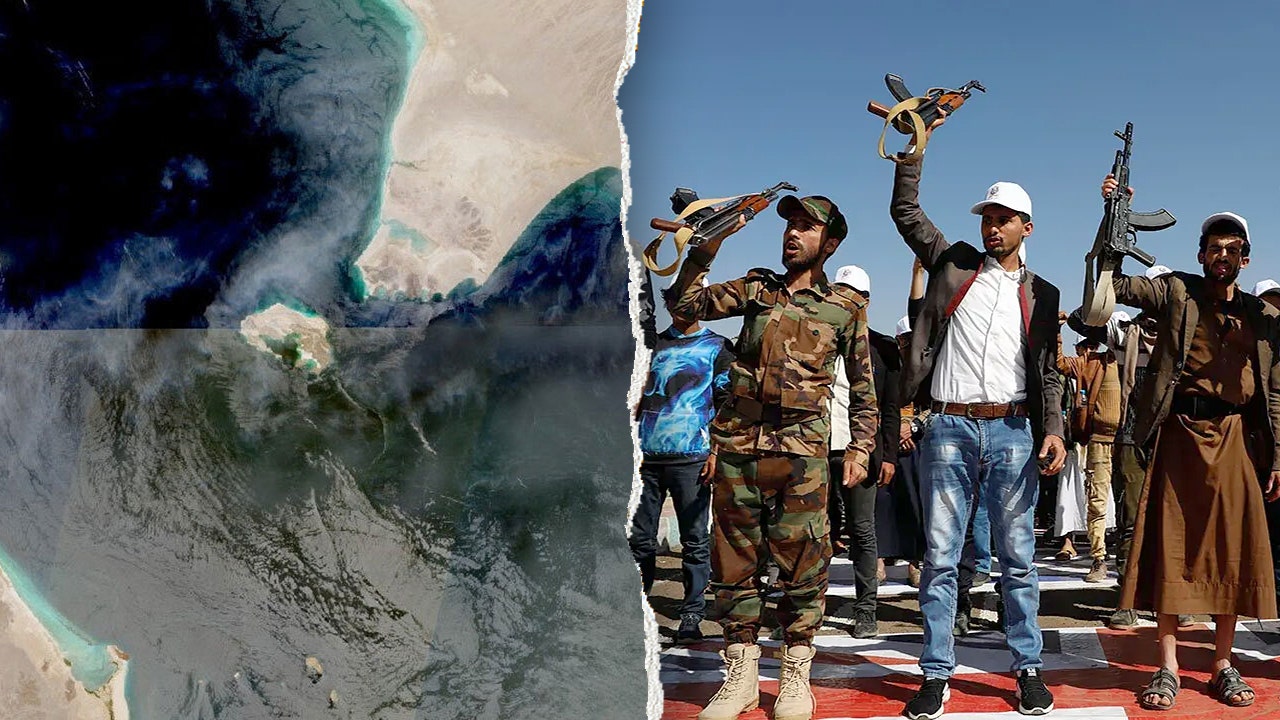
Iran-backed Houthi strikes are adding a fresh layer of danger to global energy markets, and the timing could not be worse for consumers. With the Strait of Hormuz already under pressure, the Bab el-Mandeb is now looking shaky too, which means two vital chokepoints are suddenly in play at the same time.
Houthi rebels hit Saudi Arabia with dozens of ballistic missiles and drones, striking energy sites tied to Aramco and other infrastructure across the south of the kingdom. Saudi officials said the attacks set off fires, disrupted operations, and wounded dozens of people, turning a regional assault into a much bigger market concern.
The big problem is not just the damage on the ground. Saudi Arabia supplies a huge share of the world’s crude, and when facilities like Aramco are targeted, traders start bracing for tighter supply, higher shipping costs, and a nasty ripple effect that can show up at U.S. gas pumps.
That fear grows because Saudi Arabia has been pushing more oil through the Red Sea while Hormuz remains difficult to rely on. If the Bab el-Mandeb becomes unstable too, the world loses another major route, and that can squeeze tankers, insurers, refiners, and anyone who depends on steady fuel prices.
Energy numbers show how much the flow has already changed. The amount moving through Hormuz has dropped sharply from prewar levels, while traffic through Bab el-Mandeb has taken on more importance as Saudi crude gets rerouted around the trouble.
That shift creates a weird kind of pressure trap. If attacks keep landing on Saudi energy facilities or nearby shipping lanes, the damage can spread across both routes at once, leaving fewer safe options and raising the odds of another crude-price spike.
Brent crude was already trading near $99 a barrel Tuesday, which tells the story pretty clearly. Markets hate uncertainty, and this kind of uncertainty hits hard because it is not just about one port, one refinery, or one tanker anymore.
Houthi spokesman Yahya Saree claimed the strikes used “dozens of ballistic missiles and drones” against Aramco sites, the Jazan industrial zone, and a Saudi air base. The group framed the attack as retaliation and warned of “stronger and wider strikes” if the fighting continues.
That message matters because the Houthis have already shown they are willing to go after shipping. They have targeted tankers in the Red Sea before, and those moves forced major carriers to reroute around Africa, adding time, fuel burn, and insurance pain to every trip.
President Donald Trump has already drawn a line on this. After earlier Houthi attacks on Saudi tankers, he said the U.S. would hold Iran responsible if the group struck again and warned of major military punishment against Tehran and the Houthis.
“If they do this again, the U.S. will hold Iran responsible, in that the Houthis are a Surrogate and/or Proxy of Iran, and major military punishment will be inflicted upon Iran and, of course, the Houthis, themselves,” Trump wrote on Truth Social at the time.
The latest attacks hit Saudi territory and energy sites instead of ships, but the stakes are still huge. That makes this a new test for Washington, since the threat now sits right where regional warfare, oil supply, and U.S. policy all collide.
The danger is not abstract, either. U.S. maritime warnings have long described the southern Red Sea, the Bab el-Mandeb, and the Gulf of Aden as high-risk waters because Houthi attacks keep threatening commercial traffic and forcing companies to rethink routes.
Once shipping firms start avoiding a corridor, the costs stack up fast. Longer voyages mean more fuel burned, more delays, and more expensive freight, and those costs can eventually work their way into the prices Americans pay for goods and energy.
Saudi Arabia condemned the strikes and said it would defend its territory, while coalition officials called the attacks a dangerous escalation. The immediate question now is whether damaged facilities come back online quickly and whether tankers keep moving through the Red Sea without another round of panic.
What happens next will likely turn on the next missile, the next drone, or the next tanker threat. If the Houthis keep pushing, the world could be staring at a tighter oil market, a more expensive shipping lane, and a whole lot more trouble for anyone trying to keep energy moving on time.
