
America’s edge is not just about bright ideas or flashy lab breakthroughs. It also depends on the harder, less glamorous work of building things at scale, training people to make them, and keeping the industrial backbone strong enough to support it all.
Former Wyoming Republican Sen. Malcolm Wallop once observed, “I don’t think the only place to fight for freedom is in the halls of Congress.” The same idea fits innovation perfectly. The country’s technological muscle is built in factories, machine shops, test facilities, and supply chains where concepts stop being talk and start becoming real capability.
Washington loves to praise innovation, but it often trips over the very things that make innovation possible. Capital investment, permitting, workforce development, energy production, and industrial expansion are treated like side issues when they are actually the main event. Without those pieces, the boldest idea in the world stays stuck on paper.
Big breakthroughs in aerospace make that plain. Space exploration, advanced aviation, and next-generation defense systems grab headlines because they feel futuristic and dramatic. But the real question is whether those ideas can be manufactured reliably, tested properly, and delivered at the scale the mission requires.
A company cannot claim victory just because it has a brilliant design. If it cannot produce that design efficiently, maintain quality, and keep supply chains moving, the edge disappears fast. Innovation only counts when it survives contact with reality.
That is why manufacturing capacity matters so much. New facilities, modern equipment, and upgraded infrastructure are not boring add-ons, they are what turn ambition into output. They also make the whole system more resilient when demand spikes, parts get scarce, or competition heats up.
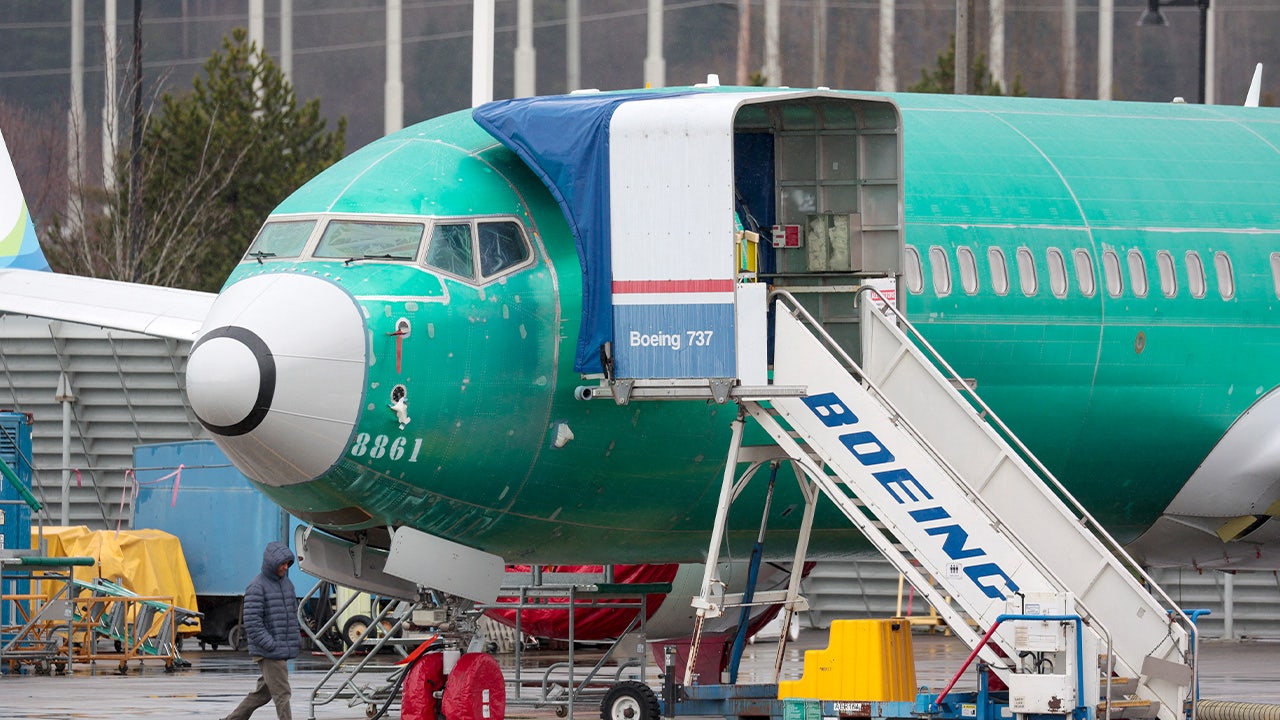
Boeing has leaned into that reality with major investments in U.S. manufacturing, production stability, domestic hiring, and supply-chain resilience, including a $1 billion 787 expansion. Moves like that do more than boost one company. They strengthen the industrial base that supports aerospace, defense, and the broader economy.
Lockheed Martin is making a similar bet across its footprint. Expansions in Texas, Arkansas, and New York, along with spending on advanced manufacturing technologies, robotics, and efficiency tools, show how modern industrial power really works. The future is not built by ideas alone, but by the places and systems that can actually produce them.
That is where capital expenditures, or CapEx, come in. These are the long-term investments companies make in factories, machinery, technology, and infrastructure, and they are the backbone of serious innovation. They create the physical structure that lets new products move from the drawing board into production lines and then into the market.
The ripple effects are huge. A new facility means work for construction crews, electricians, engineers, suppliers, and plenty of others before a single product ships. Once it opens, it supports skilled manufacturing and technical jobs that anchor communities and widen the nation’s industrial capacity.
That connection between investment and people is especially important in aerospace and defense. Resilient supply chains, modern plants, and advanced manufacturing capabilities help companies deliver complex systems with speed, quality, and reliability. In a world of sharper competition, that kind of capacity is not optional, it is survival.
Of course, no factory runs itself. Skilled workers are still the strongest advantage America has. Engineers, technicians, mechanics, and tradespeople are the ones turning ideas into certified products that can actually perform under pressure.
That is why the workforce piece cannot be ignored. Training and hiring are not separate from innovation, they are part of it. A company may invent the technology, but it takes people with hands-on expertise to build, test, fix, and improve it day after day.
Prime contractors have a bigger role than many people realize. They do not just dream up new systems, they design them, test them, produce them, and keep them running for years. That matters for commercial aviation, but it matters even more for national defense, where reliability is everything.
The broader lesson is simple: invention alone does not make a superpower. America needs the plants, power, workers, and supply chains that keep ideas moving from concept to reality. If the country wants to stay ahead, it has to keep building, not just talking.
