
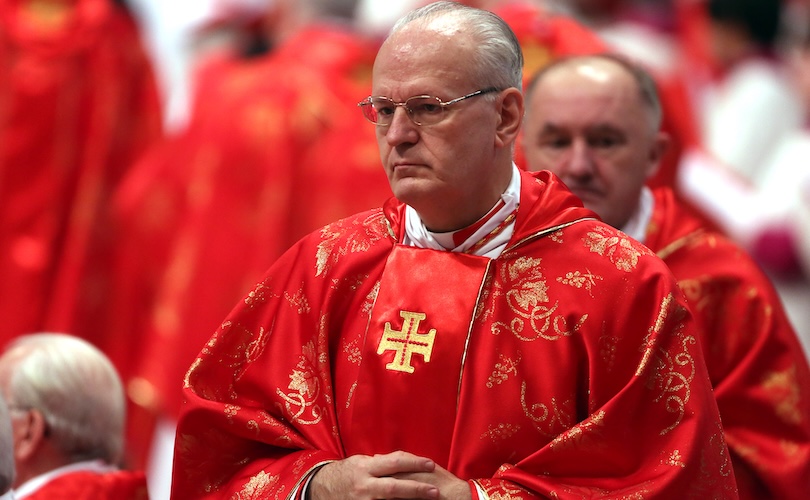
The Hungarian cardinal has been hospitalized and is asking for prayers, according to sources close to him. This article traces what is known, how faith communities typically respond to such news, and why requests for prayer matter to both believers and the wider public. It stays strictly within the facts released by those close to him while exploring the emotional and spiritual ripple effects of his situation.
The immediate fact is simple and sober: the Hungarian cardinal has been hospitalized and is asking for prayers, according to sources close to him. That exact phrase anchors everything here, and no unverified specifics about his medical condition or prognosis are being added. The focus is on the request itself and the response it prompts among people who follow his ministry.
When a senior church leader steps back from public duties because of illness, it naturally stirs concern. Cardinals occupy roles that blend pastoral care, public witness, and institutional responsibility, so their well-being matters to many. For parishioners, clergy, and casual observers alike, a plea for prayer is both a personal appeal and a signal that the moment calls for collective spiritual attention.
Requests like this tend to spread quickly through church networks without many accompanying details, because privacy is often prioritized by those close to the person. Friends and aides typically issue short notices asking for prayers rather than long updates, and that was the case here: sources close to him conveyed a simple request. That restraint helps focus the community’s energy on support rather than speculation.
There’s a practical reason prayer is asked for publicly: it mobilizes a large body of people to hold someone in mind and spirit. For many believers, prayer is an immediate action they can take when other help feels out of reach. Offering prayer, lighting a candle, or gathering in small groups are familiar ways communities respond while facts are still limited.
The emotional impact of such news can be sharp even for distant observers. People who have never met the cardinal may feel a personal tug because leaders often symbolize stability and continuity in religious life. That connection is why announcements from those close to him resonate beyond his immediate circle and prompt wide expressions of concern and affection.
At the same time, there’s an important balance to strike between public interest and personal privacy. Sources close to him chose to share the request for prayer rather than detailed medical information, which preserves dignity and allows loved ones to manage the situation without constant public intrusion. Respecting that boundary is part of honoring the person behind the title.
For those moved to respond, a simple, steady habit of prayer is a meaningful answer: quiet petitions, moments of reflection, or joining with others in communal prayer. People often find comfort in the ritual itself, and communities frequently report that such focused concern brings a sense of solidarity. The sources close to him have asked precisely for that steadiness, and many will likely answer in kind.
In the days ahead, official updates will probably come through formal channels if and when those close to him choose to share more. Meanwhile, the request remains clear and uncomplicated: the Hungarian cardinal has been hospitalized and is asking for prayers, according to sources close to him. Those words are the basis for whatever support the faithful and the wider community offer right now.
