
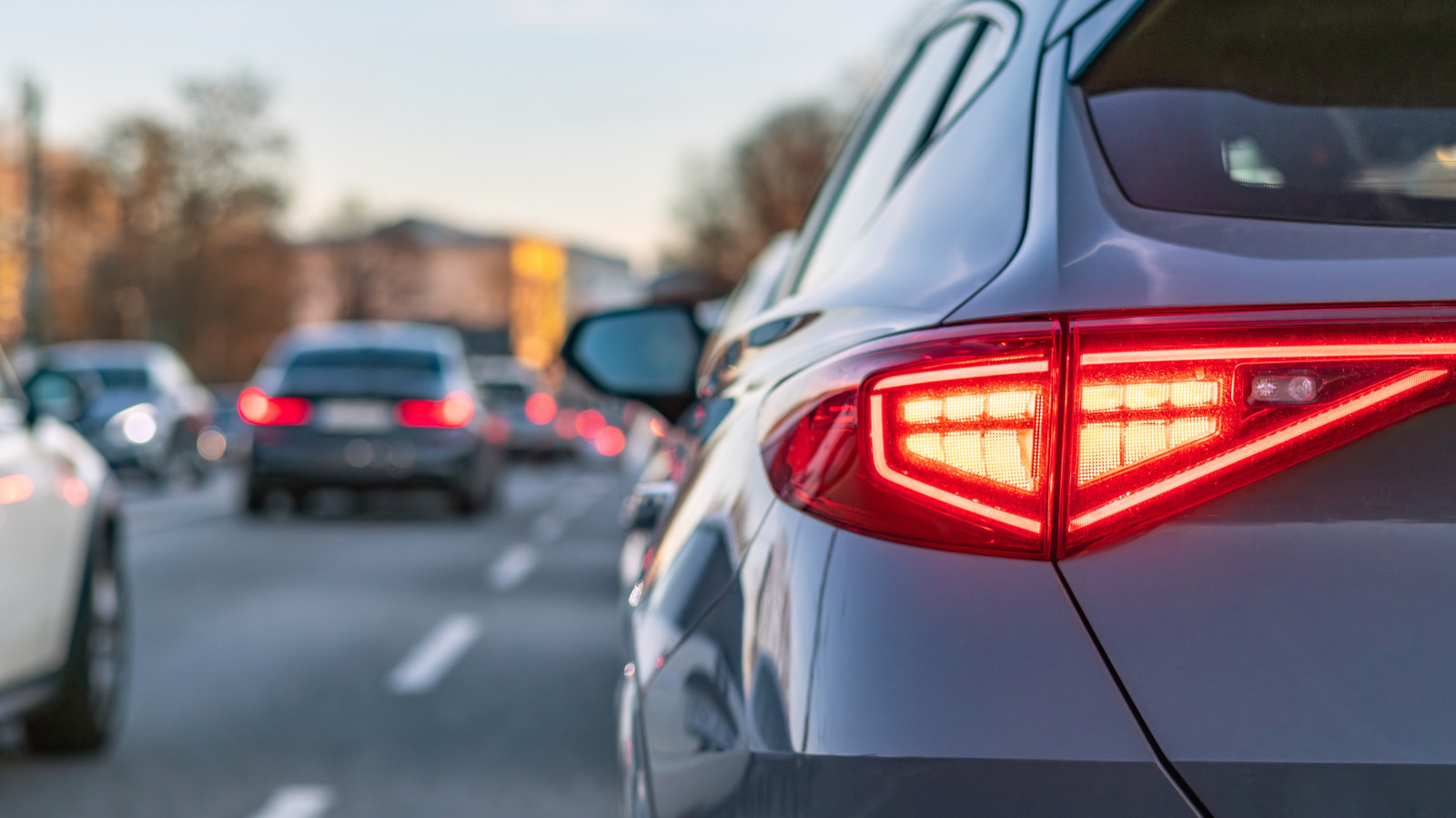
Brake lights do more than glow red in traffic. They warn other drivers that the car is slowing down or stopping, and they help keep you on the right side of the law, too. When they start acting up, a worn brake light switch is one of the first things worth suspecting.
The switch usually lives near the brake pedal, where it gets tapped every time the pedal moves. That little part is responsible for turning on the rear brake lights, and in many vehicles it also plays a role in getting the shifter out of park and disengaging cruise control. Because it gets used constantly, wear and tear can creep in over time, and wiring or environmental issues can make things worse.
A dead brake light does not automatically mean the switch is toast. Burned-out bulbs, bad fuses, and other electrical hiccups can create the same headache, which is why a quick glance is only the starting point. If the lights flicker, stay dark, or seem inconsistent, the switch moves higher on the suspect list.
One of the simplest checks is to see what the brake lights do while someone presses the pedal. If they come on only part of the time or fail entirely, that is a strong clue something in the circuit is off. Still, a working bulb and a failing switch can look similar from the outside, so a little more digging helps.
Fuse issues are worth ruling out early. The fuse box location can vary a lot from one vehicle to another, so the owner’s manual is usually the fastest path to finding it and checking whether the brake light fuse has blown. If the fuse looks fine, the problem may be closer to the pedal than the power source.
Physical inspection can also reveal a lot. Pulling the brake light switch and looking for obvious damage, looseness, or wear can expose a problem without much drama. Sometimes the part is cracked, dirty, or simply no longer responding the way it should, and that kind of failure is hard to miss once it is in hand.
For a more exact answer, a multimeter can help test continuity. By checking the switch terminals while pressing the plunger, it becomes clear whether the circuit is opening and closing the way it is supposed to. If the readings do not change correctly, the switch is not doing its job.
A test light can also point to trouble in the wiring or switch circuit. Connected properly, it can show whether power is moving through the switch as expected. That kind of test is a little more technical, but it gives a cleaner picture than simply staring at the rear of the car and hoping for the best.
If the tools are not available or the readings are unclear, a mechanic can sort it out quickly. That can be the easier move when the brake lights are tied to other functions like shifting or cruise control, because one bad part can create more than one annoying symptom. If the switch really is the problem, replacing it sooner rather than later keeps the car safer and the rest of the electrical system from getting dragged into the mess.
