
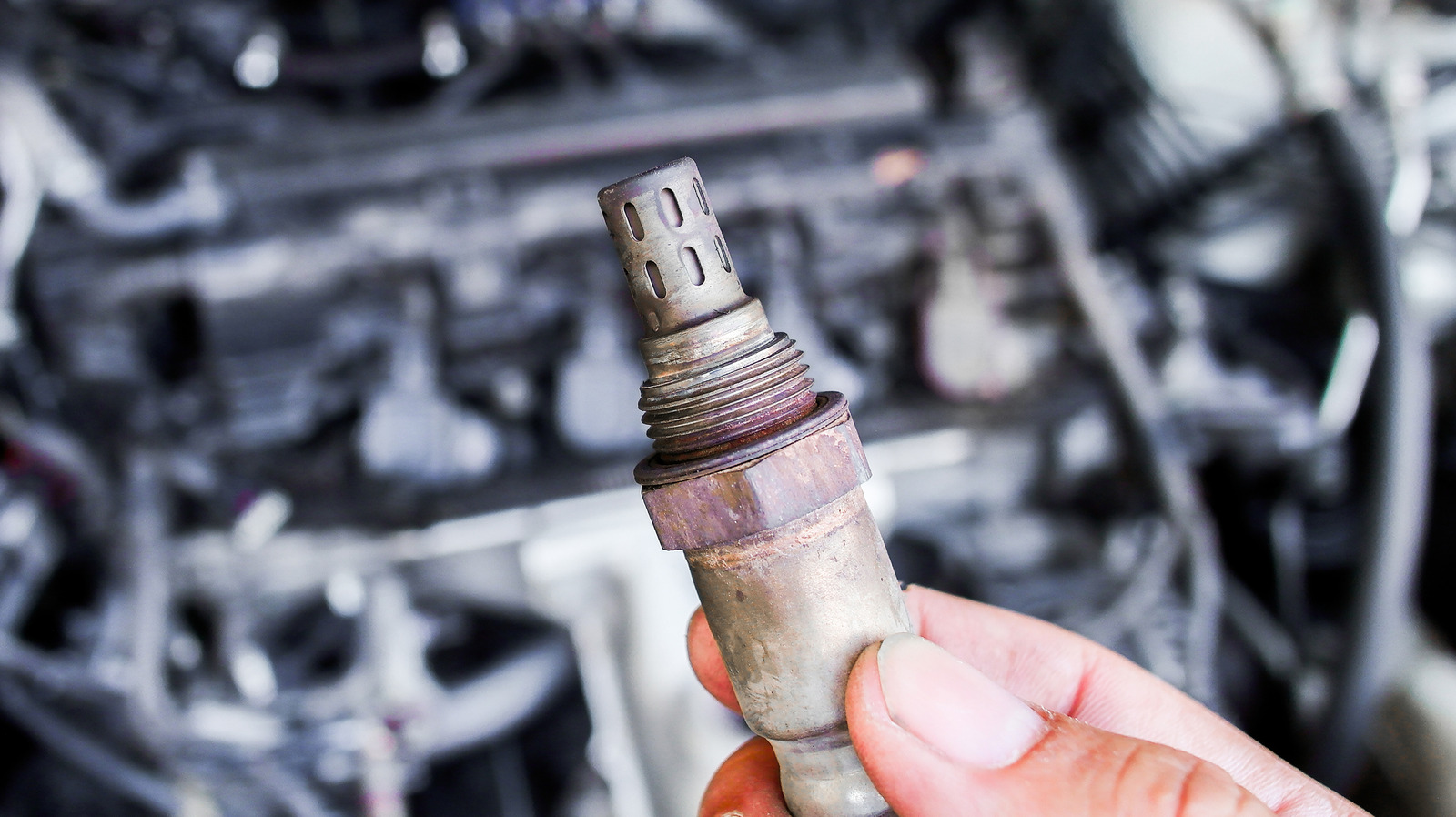
Your car’s oxygen sensors do a lot more than sit quietly in the exhaust system. They help keep the air-fuel mix in line, protect performance, and keep the engine computer from guessing in the dark. The catch is that they wear out over time, and replacement costs can swing from pretty affordable to surprisingly steep depending on the vehicle and the sensor type.
Most oxygen sensors are built to last somewhere between 60,000 and 100,000 miles. Heated sensors often land in that range, while newer wide-band sensors can sometimes go beyond 100,000 miles before they need attention. That said, there is no single universal rule that fits every car, which is why the owner’s manual and the automaker’s maintenance guidance matter so much.
Some brands are more specific than others. Rolls-Royce, for example, has recommended replacement at 150,000 miles, while Jaguar has put the number at 90,000 miles for some of its vehicles. Jeep has also listed different intervals for certain Wrangler and Wrangler Unlimited model years, including 72,000 miles or 72 months, whichever comes first. That kind of variation is exactly why a one-size-fits-all answer just does not work here.
Price is another place where drivers can get a rude surprise. A basic Bosch narrow-band sensor can cost under $40, while a GM Genuine Parts heated sensor may run around $150. On the higher end, some wide-band sensors for newer vehicles can climb much higher, especially when the part is tied to a specific make, model, and engine setup.
The reason oxygen sensors matter so much is simple: they help the engine stay balanced. They sit in the exhaust stream and measure how much oxygen is left after combustion, then send that data to the Powertrain Control Module. The PCM uses that info to decide whether the engine is running rich, lean, or right where it should be, then adjusts fuel delivery accordingly.
When that system starts slipping, you can feel it. A bad misfire can push unburned fuel into the exhaust, and that is rough on sensors. A clogged air filter can also throw things off, along with oil burning, coolant leaks, and other contamination issues that shorten sensor life. These parts are tough, but they are not invincible.
There is also the practical side of driving with a failing sensor, and it is not something to shrug off. Poor readings can hurt fuel economy, performance, and emissions, and they can make the engine computer work harder than it should. The best move is to keep up with maintenance and fix underlying issues before they turn a sensor replacement into part of a bigger repair bill.
Modern vehicles usually rely on more than one oxygen sensor, which makes placement important too. Upstream sensors sit before the catalytic converter and help control fuel delivery, while downstream sensors sit after it and watch how well the converter is doing its job. If one goes bad, it is often smart to replace them in pairs when the situation calls for it, especially on systems that are designed to work together closely.
Wide-band oxygen sensors have become more common in newer vehicles because they can measure a wider range of air-fuel conditions with greater precision. That extra accuracy helps the engine computer fine-tune combustion, which is one reason modern drivetrains can be both cleaner and more efficient than older setups. But all that precision comes with a price tag, and sometimes the part itself is only one piece of the final bill.
Labor costs can matter just as much as the sensor. Some sensors are tucked into awkward spots, and rust, heat, and tight access can make the job slower than expected. So even if the part seems reasonable, the total repair can rise once the wrench time starts adding up.
That is why it pays to pay attention to the little clues before the dashboard turns the whole story into a warning light. Rough idle, sluggish acceleration, worse gas mileage, or a check engine light can all point toward oxygen sensor trouble, but they can also hint at related engine problems that need attention first. Catching the issue early usually keeps the repair simpler, cheaper, and far less annoying.
