
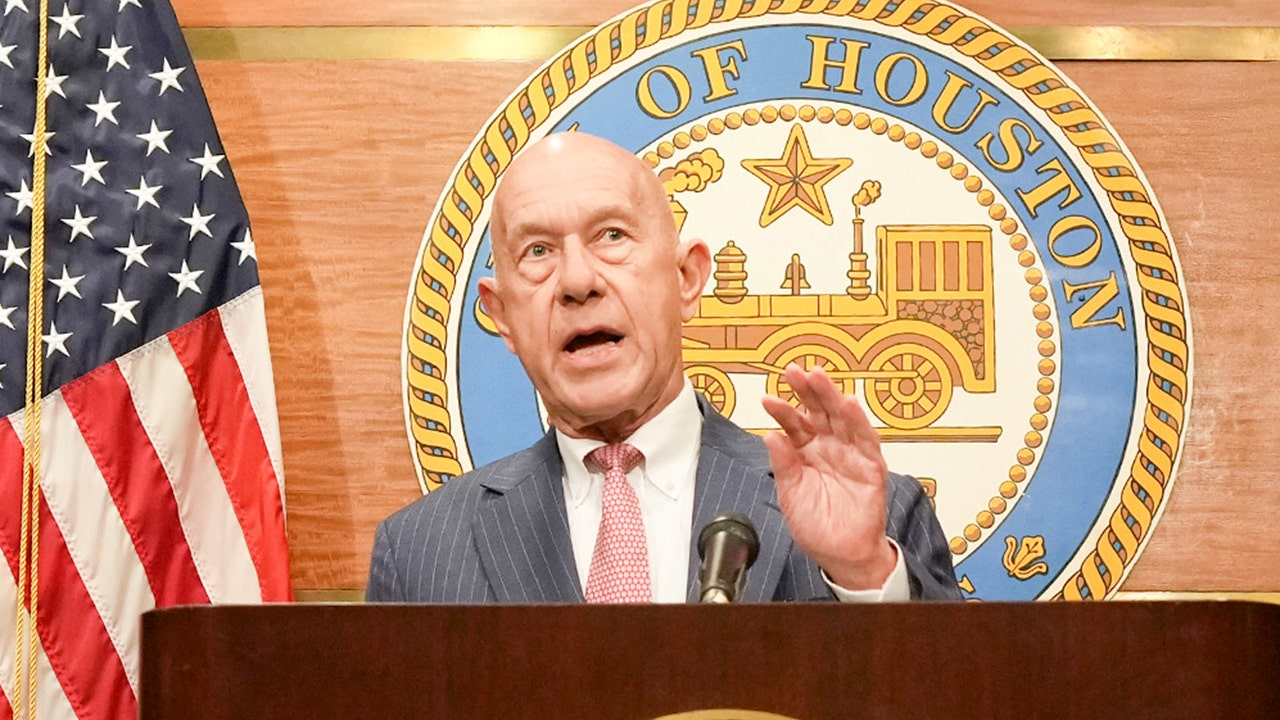
Houston’s latest immigration move is drawing attention because it lands right in the middle of a sharp political shift in Texas. After a state-level blue wave and months of tension over local cooperation with federal authorities, Mayor John Whitmire is pulling back from a broader ICE partnership and returning to a narrower approach that limits when police can alert immigration officials.
The new policy means Houston officers will no longer notify ICE during routine, nonviolent encounters such as traffic stops or minor offenses. That marks a clear change from the city’s earlier direction, which had allowed more coordination with federal agents after state leaders pushed hard for local agencies to help identify people living in the country illegally.
Whitmire said the change is meant to reduce fear in the community and keep the focus on public safety, not low-level contacts. In his view, a warning or citation should not turn into an immigration crackdown unless a person is tied to a more serious offense.
The move comes after a turbulent stretch in state politics, with Republican Gov. Greg Abbott losing his reelection bid and Democrats gaining ground in a state that had long been a GOP stronghold. That backdrop matters, because it shifted the pressure on Houston and gave local leaders more room to rethink how far they wanted to go in working with ICE.
Abbott had previously threatened to cut off millions in state funding if Houston refused to cooperate, and his order was designed to force city officials to stay in line. Whitmire’s latest stance suggests that threat no longer carries the same force, especially as the city tries to chart its own course under a new political reality.
Federal officials were quick to object. A Department of Homeland Security spokesperson said the administration remained frustrated with sanctuary-style policies and argued that local cooperation helps law enforcement go after criminal illegal aliens who have already been released back into communities.
The spokesperson also pointed to cases involving serious offenders arrested in Houston, including people previously convicted of homicide, burglary, and sex crimes against children. That argument has become a familiar one for critics of sanctuary policies, who say the public pays the price when local police are told to stand back.
Whitmire’s office has tried to frame the change as practical rather than ideological. He has said officers should not be spending time on immigration notifications during minor stops, but should bring ICE into the picture when someone is facing a jailable offense or a more serious criminal issue.
That stance reflects a middle lane that Houston has been testing for months. Earlier policy changes had already narrowed how long officers could hold someone while waiting for ICE, and the city council had weighed rules meant to limit detentions and reduce the risk of long delays during routine police work.
But after state pressure increased, the city backed off some of those limits and gave officers more discretion to wait for federal agents in cases involving civil immigration warrants. The latest adjustment seems to reverse that course again, tightening the rules and shifting the emphasis away from federal immigration enforcement during everyday encounters.
What makes the moment more striking is how quickly the political climate has changed around it. A city that had been under heavy conservative scrutiny is now moving in a direction that looks much closer to the original restrictions local lawmakers wanted, and the fallout is likely to keep rolling through Texas politics for a while.

1 Comment
Bad optics Mayor bad optics