
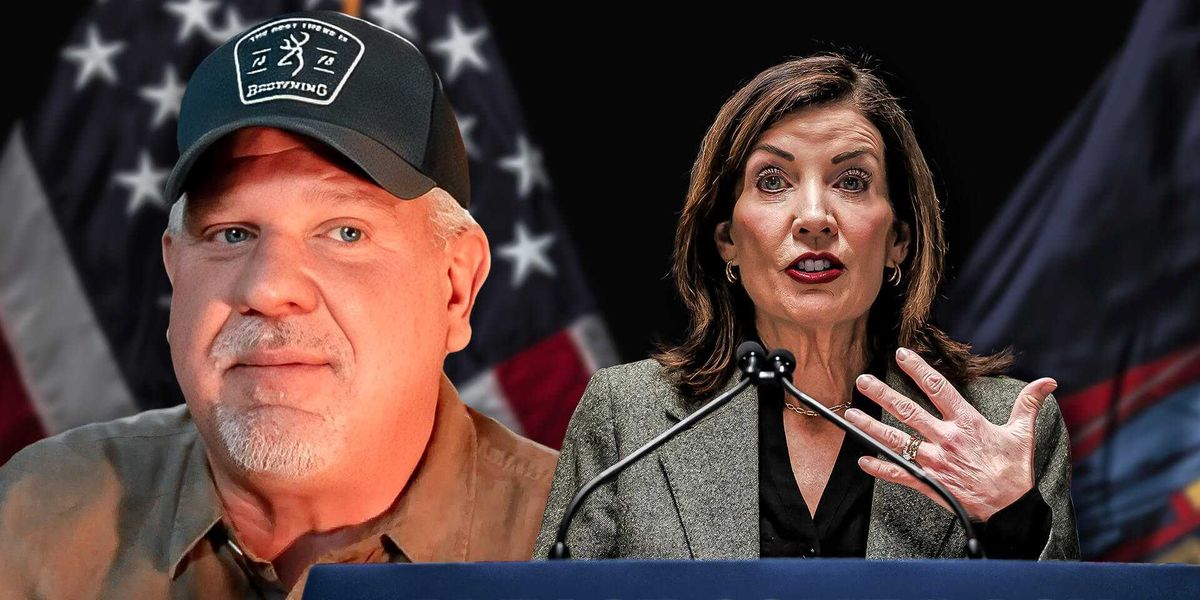
New York is hemorrhaging wealthy residents, and this piece looks at how Governor Kathy Hochul openly pleaded for their money, how Glenn Beck tore into that logic, and what Hochul’s new tax moves mean for anyone who still thinks New York is worth the hit on their paycheck.
The state has watched rich taxpayers pack up and leave for friendlier tax climates, and the tone from Albany has shifted from denial to desperation. Politicians who once touted progressive programs are suddenly asking high earners to “save” the state by writing checks. Voters see the math: you can either pay more to prop up failing budgets or take your income to a place that rewards work and thrift.
At a recent Albany summit Governor Hochul was blunt: “I need people who are high net worth to support the generous social programs that we want to have in our state, right? Now there are some patriotic millionaires who stepped up. Okay, cut me the checks. … But maybe the first step should be go down to Palm Beach and see who you can bring back home, because our tax base has been eroded,” she said. That line reads less like leadership and more like a fundraising appeal dressed up as policy.
Conservative voices reacted the way taxpayers do when someone asks for their wallet instead of their vote. Glenn Beck called out the tone-deaf math and the sense that wealthy residents are being treated like ATMs for New York’s expensive ambitions. His point lands: when officials prioritize spending first, they alienate the people who fund it.
Beck recounted a brief but revealing moment from Idaho where a Republican told him they wanted him to move and “add you to the tax base.” He quoted the line that convinced him he would never relocate there, turning a pitch into a warning: treat people like revenue and they’ll treat you like charity. That anecdote captures why exits to Texas, Florida, and Tennessee keep accelerating.
The arithmetic of migration is brutal and simple. “If you live in the city, you’re already taking an additional 12%, plus the state gets their [cut] as well, plus the federal government,” says Glenn, “so, you know, if you’re making good money, you get to keep, like, I don’t know, 40% of it.” When half your pay is gone, the choice to relocate becomes obvious and urgent for many families and businesses.
Hochul’s latest plan to slap a surcharge on luxury second homes is the kind of targeted tax that feels symbolic but stings the same. It aims at non-resident owners of high-end apartments and calls it fairness while ignoring the deterrent effect. If wealth owners are expected to fund basic city services from afar, why would they keep their money tied to hostile tax regimes?
The governor’s rhetoric forces a choice that Beck distilled plainly: “Pay none of that in Texas or Florida or Tennessee,” or “go back [to New York] and pay all of that and then pay an extra if you have something that [Kathy Hochul] thinks is too much.” That’s not a policy debate, that’s an ultimatum that drives decisions for those who can walk away.
Tax policy and tone matter. When leaders levy new surcharges and call on the rich to carry the system, they forget that the wealthy—and the businesses they support—notice incentives. Mocking alternatives and treating residents as expendable revenue invites the very flight Albany claims to fear.
Glenn’s closing jab captures the absurdity: “I’m so tempted to go back to New York right now. … I’m like, I don’t know, should I live in Florida or should I maybe go back to New York City and help them build that supermarket?” he mocks. Watch the clip above to see the exchange that proves how badly tone-deaf policy and pleading for money have become in New York politics.
