
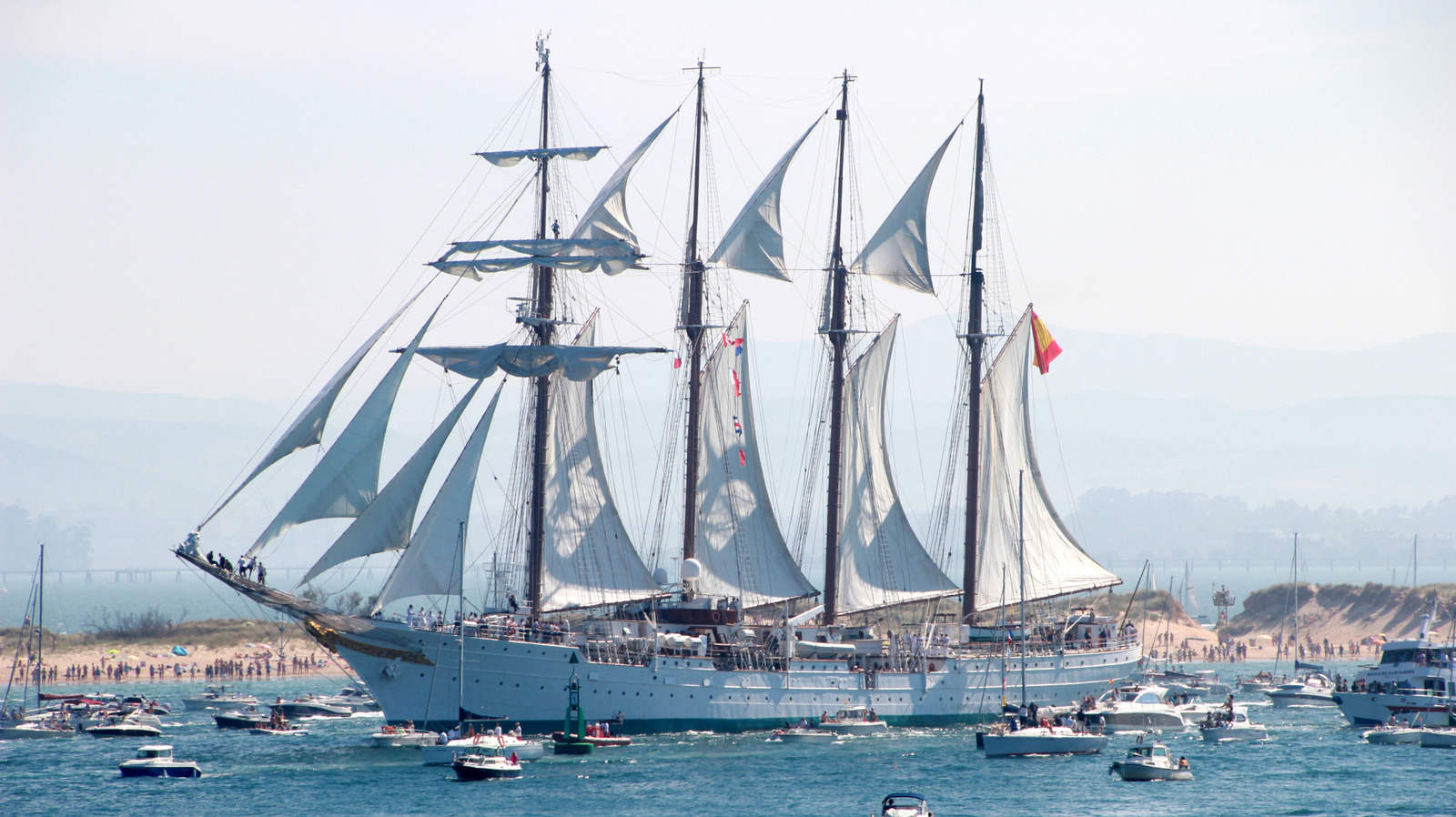
Step aboard a living slice of seafaring history: a nearly century-old, four-masted training vessel has just reached U.S. waters and is turning heads. This piece covers where the ship came from, what it means for maritime training, how it was cared for, and why anyone who loves ships should pay attention.
The ship arrives with the kind of quiet authority only an old hull can own. Its four masts rise like a reminder that tall ships once ruled trade routes and trained generations of sailors. Seeing it docked is a visual cue that craftsmanship and seamanship from another era still matter. People who work with and visit the vessel say its presence sparks curiosity and respect.
Built nearly a century ago, the vessel was designed to teach seamanship, navigation, and the discipline of life at sea. Training ships were classrooms without walls, where cadets learned by doing and storms were the strictest teachers. Over time many such ships were lost, retired, or converted for other uses, so one that survives in active condition is rare. That rarity gives this ship both historical and educational value.
The restoration work that keeps these old giants afloat takes patience and money, and it shows in every detail. Wooden fittings, rigging lines, and canvas sails demand specialized skills that are becoming scarce. Volunteers and professionals often team up to refit the decks and preserve the original character while meeting modern safety standards. That blend of tradition and practical upgrades is what allows the ship to operate today without sacrificing authenticity.
Onboard routines still echo the old naval cadence, from watch rotations to sail handling practice. Cadets learning on a vessel like this get lessons you cannot teach in a simulator, including teamwork under pressure and the physics of wind and sea. These are tactile, sometimes brutal lessons that build real confidence and competence. For many young sailors, the experience is transformative and humbling at once.
The arrival in the United States has sparked interest from maritime museums, sailing schools, and local communities along the coast. Port calls like this often include public tours, educational programs, and sometimes formal events that highlight the vessel’s history. That access invites a broader audience to appreciate a living link to maritime tradition. It also creates opportunities for partnerships that fund ongoing maintenance and outreach.
There is also a cultural angle: tall ships evoke stories of exploration, migration, and international exchange. While this vessel trained sailors first and foremost, its crossings and port visits trace a network of seaports that once connected economies and cultures more directly than today’s global logistics chains. For towns hosting the ship, the visit is a moment to celebrate maritime roots and to teach younger generations about craftsmanship at sea.
Economic benefit is a practical part of the picture, too, even without grand claims. Visitors bring foot traffic to waterfront businesses, and special events tied to a ship’s presence can boost local tourism. Maritime festivals and school programs centered on the vessel often have ripple effects for hospitality and retail sectors. Those short-term boosts can turn into long-term interest in preserving nautical heritage.
For enthusiasts and professionals alike, the vessel is a reminder that training at sea still has unique value. Cadet programs on traditional ships produce sailors who understand weather, seamanship, and vessel behavior in ways that complement classroom learning. The skills carried forward by graduates of these programs influence commercial shipping, naval services, and recreational sailing. That human capital is part of the ship’s ongoing legacy.
Seeing a four-masted training ship docked makes the past feel immediate and purposeful. It is a physical argument for investing in craft, teaching, and preservation rather than letting memories drift into museum cases alone. Whether you came for the history, the sails, or the chance to climb a rig, the visit offers a direct contact with maritime tradition that rarely feels scripted. And for a moment on the pier, the sea’s long history is surprisingly close.
