
- Foreign election meddling has become a lasting national security concern
- Pentagon intelligence and cyber agencies are being pushed into action
- The mission centers on threats from overseas, not domestic election administration
- Cyber Command and NSA have long handled this work in different forms
- Russia, China and Iran remain the main foreign pressure points
- Officials say there is no sign of interference with voting systems so far
Foreign meddling in American elections has gone from a one-off alarm to a standing national security headache, and the pressure is back on with another midterm cycle in play. The Pentagon is treating the problem like a mission that cannot slip, with senior leaders telling intelligence and cyber agencies to stay locked in on threats coming from abroad. That means the focus is not on election day theater, but on the quieter, more persistent game of spotting hostile moves before they land.
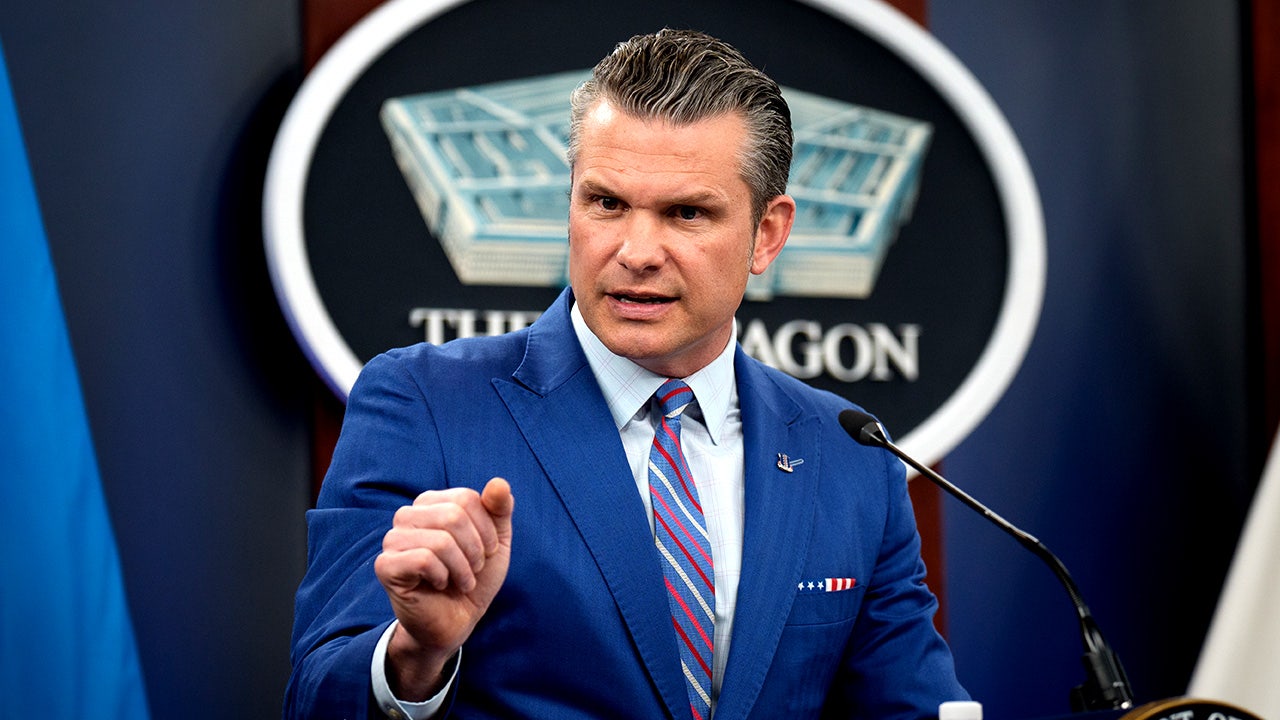
Secretary of War Pete Hegseth has ordered the military’s intelligence apparatus to treat election security as a top-tier priority. The directive reaches well beyond the usual suspects, pulling in Cyber Command, the National Security Agency, and other defense intelligence outfits that can track hackers, map influence operations, and flag trouble overseas. In Pentagon language, this is being handled as a “no-fail mission,” which leaves little room for half measures or casual attention.
The move builds on a playbook that started taking shape after the 2016 election and the Russia-related fallout that followed. Since then, military agencies have spent years watching for foreign actors trying to stir confusion, pressure voters, or exploit weak spots in the information space. The job is not to run elections, but to keep the outside world from messing with the process before Americans ever step into a polling place.
That distinction matters. State and local officials run the elections, while the FBI and Department of Homeland Security handle the domestic side of security, leaving the Pentagon focused on overseas threats and cross-border cyber activity. If military intelligence spots a foreign hacker or influence campaign aimed at U.S. voters, the goal is to warn, monitor, and, when authorized, respond before the attack spreads.
This is not a brand-new mission for Cyber Command and NSA. Those agencies have already built joint structures over the years to handle election threats, including earlier groups formed around Russian interference and later election-security teams that blended intelligence gathering with offensive cyber options against foreign actors. By 2022, the work was being described inside the military as an “enduring, no-fail mission,” and Hegseth’s directive leans hard into that same idea.
The administration has not said whether the current order creates any new powers or fresh bureaucracy, and that is part of the intrigue. The real question is whether the directive simply sharpens an existing system or whether it quietly changes the tempo inside the Pentagon as voters head toward Tuesday’s contests. Officials have been cagey about the exact mechanics, and the Pentagon has not laid out how much extra muscle, if any, is being added behind the scenes.
For now, intelligence officials say they do not see evidence that foreign adversaries are trying to tamper with voting machines, physical election infrastructure, or the actual count. That does not mean the threat is gone. It just means the more likely danger is the sloppier, more familiar kind of interference that aims to cloud trust, inflame tensions, and make people suspicious of the result before the ballots are even tallied.
Russia remains the most active concern, but China and Iran are still part of the picture, especially when it comes to influence operations and online pressure campaigns. Those efforts can be slick, cheap, and fast-moving, which is exactly why military and intelligence leaders keep saying the mission never really ends. With election season always just around the corner, the Pentagon is acting like the next wave could show up at any time.
That is also why the tone from Washington has sharpened so much. Artificial intelligence has made disinformation cheaper to produce and easier to spread, while foreign governments keep looking for openings to push narratives that serve their interests. The military’s job, at least on paper, is to stay overseas, track the source, and keep hostile actors from turning American politics into a foreign playground.
