
- Republican nominee for Hawaii governor
- Long Democratic hold on the governor’s office
- Cost of living, housing and education priorities
- Tax relief and budget discipline
- Campaign uphill against an incumbent and strong party edge
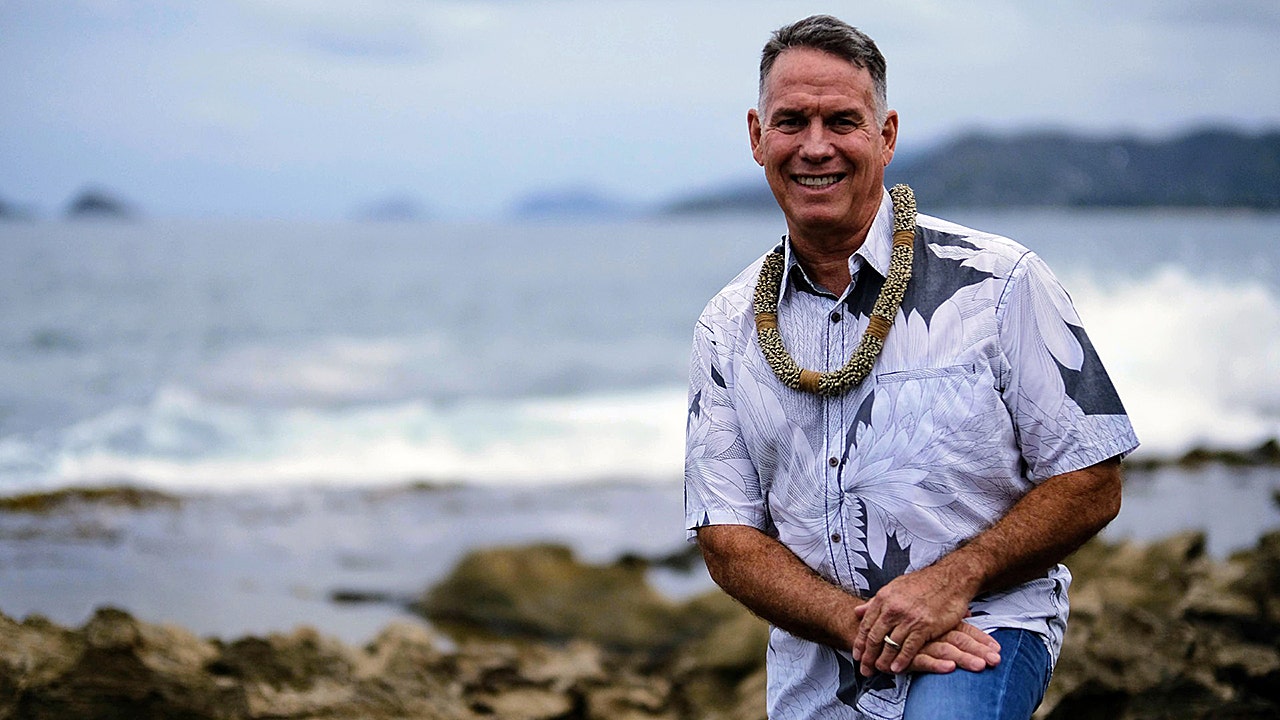
Gary Cordery, a contractor and business owner, is now the Republican nominee for Hawaii governor after winning his primary and moving into a tough November matchup with Democratic Gov. Josh Green. The race gives Republicans a shot at a state that has leaned blue for years, but the map is steep and the numbers are not friendly. Hawaii has not elected a Republican governor since Linda Lingle left office in 2010.
That history matters because the state’s political habits are deeply rooted, and Green enters with the advantages that usually come with incumbency. He has solid approval, a strong fundraising edge and a statewide brand built over time. The Cook Political Report rates the contest as Solid Democratic, which tells the story plainly: Cordery is climbing a very tall hill.
Even with those odds, Cordery is trying to make the race about everyday pressure, not party labels. His pitch centers on the basic stuff that hits families hard, especially the cost of living, the squeeze on working households and the feeling that state government has lost touch. He is also leaning hard into education reform and saying Hawaii needs a sharper focus on results instead of excuses.
Housing sits near the center of that message. Cordery has talked about adding 15,000 homes for working families, using state-owned land for fee-simple housing and speeding up the permit process so projects do not get stuck in the mud. In a state where prices can slam the door on younger buyers and middle-class families, that kind of promise has a real emotional pull.
He is also pushing a tax message that is easy to understand and hard to ignore. Cordery wants to eliminate the General Excise Tax on food and medicine, and he supports freezing property taxes for homeowners once they retire. That is the kind of plan designed to land with people who feel like government keeps taking a little more while giving a little less.
Budget control is another big piece of the campaign. Cordery says Hawaii’s spending is out of whack and argues that taxpayers deserve better stewardship of public money. He has pointed to the state’s $20.5 billion budget as evidence that the problem is not a lack of cash, but a lack of discipline.
His case is wrapped in a familiar Republican argument: government should be smaller, sharper and less wasteful. Cordery has said he would order audits to find waste and bring more accountability to state operations. For voters who are tired of bloated budgets and sluggish government, that message lands with a certain blunt force.
Still, the political reality is rough. Green has a fundraising advantage by a wide margin, and Hawaii’s Democratic machine has been strong for a long time. Cordery is not just running against one governor, he is running against the habits of the state itself, which makes every speech, appearance and policy promise carry extra weight.
That is why his campaign is trying to keep the focus on practical pain instead of abstract ideology. High housing costs, tax bills, school frustration and the sense that state leaders are not moving fast enough are the pressure points he wants to exploit. In a place where families feel every dollar, every delay and every broken promise, that argument has room to breathe.
