
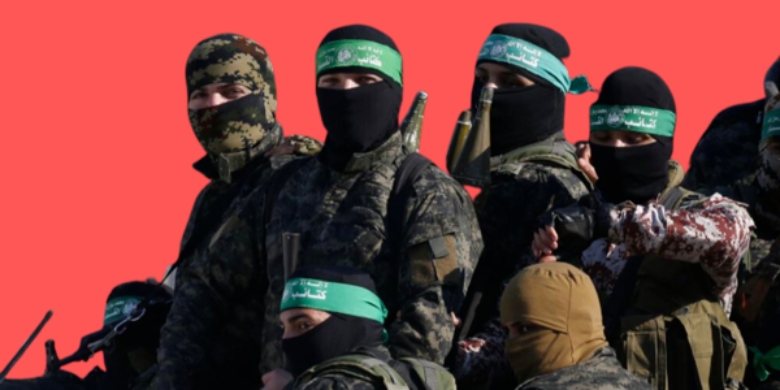
Hamas has reportedly approved a list of 34 Israeli hostages to be exchanged in a potential ceasefire agreement, according to statements made by the militant group’s leadership to Reuters. This development hinges on conditions set by Hamas, including an Israeli withdrawal from Gaza and the establishment of a permanent ceasefire.
Despite these claims, the Prime Minister’s Office (PMO) issued a statement on Sunday denying that Hamas has provided the names of any hostages thus far. The PMO’s assertion highlights the continued uncertainty surrounding the proposed exchange and the broader implications of any ceasefire agreement.
This news comes amidst escalating tensions following the October 7 attacks, which marked one of the most violent days in recent Middle Eastern history. Israeli officials have expressed skepticism about Hamas’s intentions and questioned the authenticity of their commitments.
In a related effort, Israel recently revealed portions of a harrowing report intended for submission to the United Nations. This document details the conditions endured by hostages in Hamas captivity, drawing from the accounts of those released in a November 2023 exchange and others rescued during military operations.
Health Minister Uriel Busso, whose office spearheaded the creation of the report, described the findings as a stark reminder of Hamas’s brutality. “The report depicts the atrocities that hostages suffered and reveals to the world the cruelty of the enemies we are dealing with,” Busso stated. “These testimonies serve as a wake-up call to the international community. The world needs to see the reality of what hostages endured – and what those still in captivity continue to face.”
Released hostages have recounted disturbing details, including being forcibly separated from family members and enduring psychological torment. Some children, for example, were made to watch videos of the October 7 attacks, further compounding their trauma.
The potential hostage exchange underscores the high stakes for both sides. Hamas’s demand for an Israeli withdrawal from Gaza as part of the deal has added significant complexity to negotiations. For Israel, agreeing to such terms could signal a major shift in its military and political strategies, while for Hamas, it represents an opportunity to consolidate control and gain concessions.
International reactions to these developments remain mixed. The report to the United Nations is seen by Israeli officials as a critical step in rallying global condemnation of Hamas. However, some nations have urged restraint and negotiation to prioritize the hostages’ safe return.
Amid these developments, President-elect Donald Trump has taken a firm stance on the hostage crisis. Speaking in December, Trump reiterated his unwavering commitment to securing the hostages’ release and issued a stark warning to Hamas. “There will be ALL HELL TO PAY if these hostages are not returned by January 20,” he declared, referencing his upcoming inauguration.
Trump’s comments highlight the significant international pressure on Hamas to act swiftly. His administration is expected to adopt a hardline approach, potentially influencing the dynamics of the hostage negotiations and broader Middle Eastern geopolitics.
The approval of a list of 34 hostages may represent a glimmer of hope for their families, but it also underscores the immense challenges ahead. Both sides remain deeply entrenched in their demands, and the possibility of reaching a mutually acceptable agreement remains uncertain.
For the families of those still in captivity, the prolonged negotiations and reports of abuse are a constant source of anguish. As international attention intensifies, the focus shifts to whether Hamas and Israel can overcome their impasse to secure a resolution that prioritizes human life and dignity.
The coming weeks will be critical in determining the fate of these hostages and the broader trajectory of the Israeli-Palestinian conflict. With high stakes and global scrutiny, the world watches and waits for a breakthrough—or further tragedy.
