
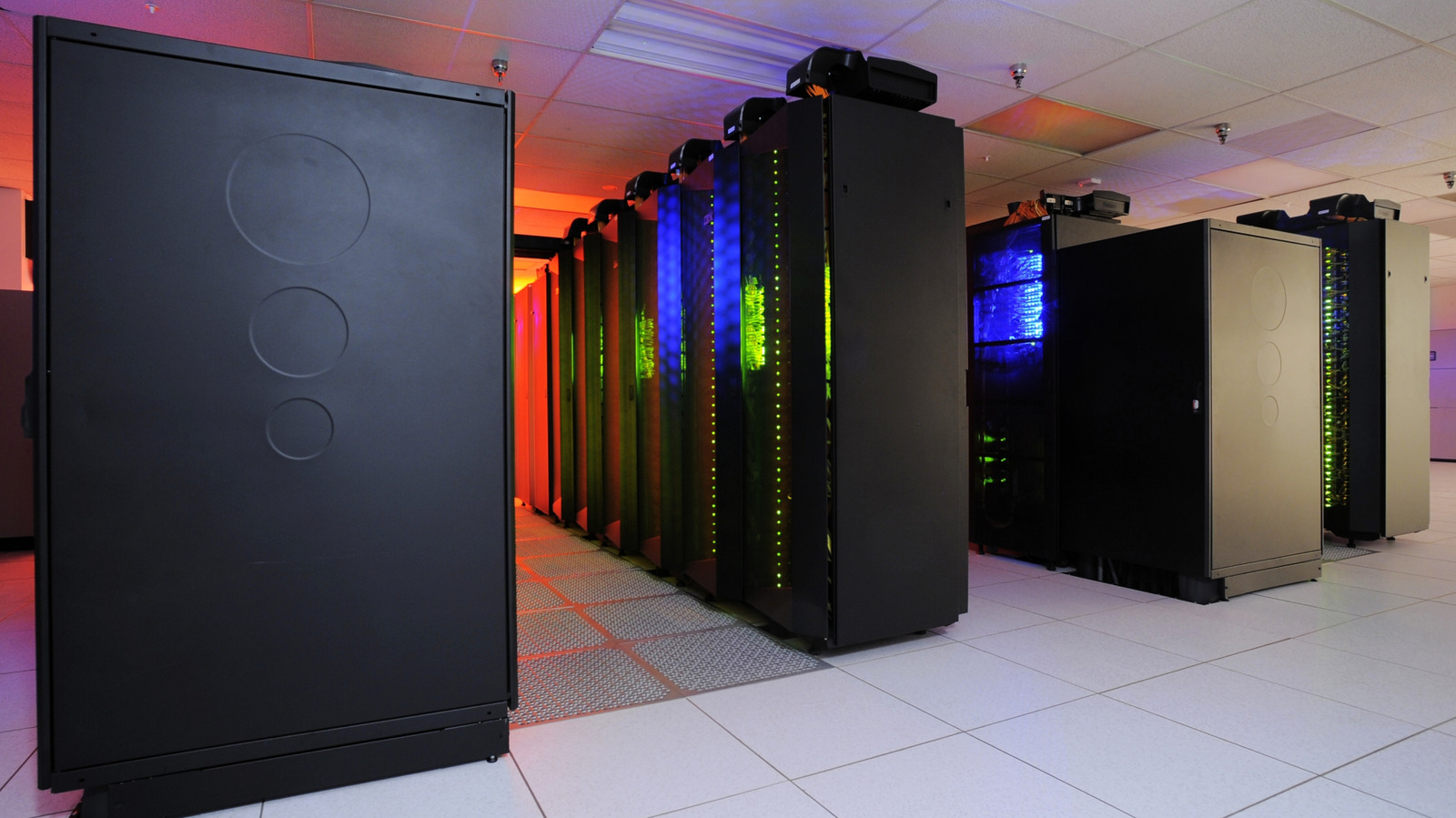
A hacker is reported to have taken petabytes of data from a Chinese supercomputer, an incident described as possibly the largest of its kind in the country’s history. The theft raises serious questions about the security of high-performance computing centers, what was taken, and who might benefit. This article explores the scale, potential impacts, and the broader cybersecurity lessons that flow from such a breach.
The scale alone is staggering: petabytes mean vast swaths of information, from raw research data to compiled models and system logs. Supercomputers are not just number-crunchers; they host years of scientific work, proprietary simulations, and datasets that can be as valuable as physical equipment. Losing that volume of material to a single actor implies both deep access and significant oversight failures.
What sits on a national supercomputer can shape industries and defense technologies for years. Climate models, drug discovery data, materials research, and encryption-related research often run on these machines, and their exposure can accelerate competitors and adversaries alike. When such datasets leak, the damage is not only immediate but can ripple through future innovation cycles in unpredictable ways.
Attribution will be messy and slow, as it often is with sophisticated breaches. Attackers can chain through multiple hosts, erase footprints, and sell data on dark markets before investigators pinpoint a source. Whether the motive is espionage, profit, or disruption, the result is the same: sensitive research and operational knowledge end up in hands they were never meant to reach.
The practical fallout could hit universities, private labs, and government programs that relied on the compromised systems. Collaborations and shared projects may face abrupt delays while institutions audit what was exposed and who had access. Privacy concerns for researchers and the integrity of ongoing experiments will require careful forensic work to untangle.
From an institutional perspective, the breach underscores a need to reevaluate security around high-performance computing facilities. Segmentation of networks, stricter access controls, and continuous monitoring are basics that must be enforced consistently. The temptation to prioritize uptime and performance at the expense of layered defenses has real costs when the stakes include national-scale datasets.
Internationally, the incident is another reminder that cyber incidents do not respect borders and can inflame geopolitical tensions. States and organizations will likely watch closely to see how authorities respond, and whether the theft prompts changes in policy or investment in protective measures. Meanwhile, researchers and administrators face a race to shore up systems before similar intrusions occur elsewhere.
There is also a market angle: stolen research data can be monetized in numerous ways, from selling models to enabling imitation of specialized technologies. That potential creates incentives for repeat targeting and means defenders must assume persistent attempts to access valuable compute resources. Industry responders and security teams should prepare for long campaigns rather than isolated incidents.
For the labs, universities, and agencies affected, recovery will be painstaking and expensive, involving audits, remediation, and often months of validation to restore trust in results. Insurance, regulatory scrutiny, and contractual obligations might complicate the path back to normal operations. The technical fixes are only part of the challenge; restoring confidence among collaborators and funders will take time.
